
This is by far one of the most important things I’ve seen on tumblr because It describes things I was not able to
things we are trying to do all the time:
- 1. be safe
things we can’t help but do all the time:
- 1. second-guess ourselves
- 2. behave impulsively and reactively
- 3. take everything personally
- 4. worry
- 5. worry
- 6. worry
- 7. have difficulty accepting compliments
- 8. have difficulty reciprocating friendly gestures
- 9. have difficulty finding the courage to respond
- 10. have difficulty not being suspicious of others’ intentions
- 11. make a huge deal out of the smallest thing
things you should keep in mind:
- 1. we’re scared of everything
- 2. pretty much all of the time
- 3. it’s an actual disorder
- 4. it manifests as impulsive behavior
- 5. you can’t fix us with words
- 6. telling us “worrying is silly” won’t make us stop worrying
- 7. it’ll only make us feel silly
- 8. and then we’ll worry even more
- 9. “oh god, am i worrying too much? what if she calls me silly again?”
- 10. like that
- 11. also, we wear a lot of armor
- 12. cold, heavy, affection-proof armor with spikes
- 13. we constructed this armor as children
- 14. we’re fairly certain you will never be able to pry it apart
- 15. but there is a nice person under there, we promise
things you can do for a friend with an anxiety disorder:
- 1. stick around
- 2. ask him/her if they’re comfortable in a place or situation
- 3. be willing to change the place or situation if not
- 4. activities that help them take their mind off of things are good!
- 5. talk to them even when they might not talk back
- 6. (they’re probably too afraid to say the wrong thing)
- 7. try not to take they’re reactions (or lack thereof) personally
- 8. (the way they expresses themselves are distorted and bent because of their constant fear)
- 9. (and they knows this)
- 10. give her time to respond to you
- 11. they will obsess over how she is being interpreted
- 12. they will anticipate being judged
- 13. it took me four hours just to type this much
- 14. even though i sound casual
- 15. that’s because i have an anxiety disorder
things you shouldn’t do:
- 1. tell us not to worry
- 2. tell us we’ll be fine
- 3. mistake praise for comfort
- 4. ask us if we are “getting help”
- 5. force us to be social
- 6. force us to do things that trigger us
- 7. “face your fears” doesn’t always work
- 8. because—remember—scared of everything
- 9. in fact, it would be more accurate to say we are scared of the fear itself
emergency action procedure for panic attacks:
- 1. be calm
- 2. be patient
- 3. don’t be condescending
- 4. remind us that we’re not crazy
- 5. sit with us
- 6. ask us to tighten and relax our muscles one by one
- 7. remind us that we are breathing
- 8. engage us in a discussion (if we can talk, then we can breathe)
- 9. if we are having trouble breathing, try getting us to exhale slowly
- 10. or breathe through our nose
- 11. or have us put our hands on our stomach to feel each breath
- 12. ask us what needs to change in our environment in order for us to feel safe
- 13. help us change it
- 14. usually, just knowing that we have someone on our side willing to fight our scary monsters with us is enough to calm us down
if you have an anxiety disorder:
- 1. it’s okay.
- 2. even if you worry that it’s not okay.
- 3. it’s still okay. it’s okay to be scared. it’s okay to be scared of being scared.
- 4. you are not crazy. you are not a freak.
- 5. i know there’s a person under all that armor.
- 6. and i know you feel isolated because of it.
- 7. i won’t make you take it off.
- 8. but know that you are not alone.
Tag: understanding
“your kid needs your attention, not adhd meds!”
“maybe we can talk about how with the internet there are more diagnoses of adhd now, and how the internet is rewiring our brains…”
“medicating childhood: the hoax of adhd”
literally all things ive seen in the past fucking WEEK let me out of this hell
i can debunk this all in a flash
adhd is a neurodevelopmental disorder, and develops around 12 years old. given that, and how many diagnosed adhd adults there are, including elders, this is something that predates the internet
adhd is genetic, so despite an attention given from parent to child, it’s incredibly likely that at least one of the parents or other relatives also has adhd
oh yes, and let’s not forget the myth that adhd symptoms are synonymous with child behavior. but adhd isn’t just hyperactivity – in fact, hyperactivity doesn’t always present itself. in addition to hyperactivity, other symptoms include:
- echolalia
- poor memory
- racing/scattered thoughts
- slowed social development (around 30%)
- difficulty understanding tasks/organizing them into steps
- struggles understanding time management
- impulsive acts (impulsive spending is a major issue with many of us)
- difficulty managing emotions, especially anger
- easily bored (and boredom leads to greater frustration than others)
- TROUBLE SLEEPING. many adhd people spend their entire lives not getting good sleep because of the constant “noise” in their heads. see the scattered thoughts. basically, the thoughts are always going. there is no shut off switch. insomnia is largely prevalent with adhd
- losing details (like getting poor grades because you missed the fine print on a test even with knowing the material)
- struggles with listening comprehension (words sound like nonsense)
- struggles with reading comprehension (words look like nonsense)
- memorization issues – a child skilled in math will have trouble with multiplication tables, for example
- has trouble “waiting their turn” in conversation – frequently interrupts without realizing
- hyperfocus – an often overlooked aspect, when one focuses to the exception of all other external stimuli, including needing to eat, sleep, etc. time almost ceases to exist
- not a symptom, but adhd – especially adult adhd – is highly comorbid with anxiety disorders and depression later in life. this is because a person with adhd is working their heart out to achieve the same standards, contrary to the believe that they’re “lazy.” as you can see above, almost every aspect of daily life is impacted – social, work, school, family, money… and this can lead to a feeling of being unable to cope.
- despite all that, people with adhd are also:
- more solution-oriented
- more resilient
- more expressive
- more curious
- and better at multitasking – not just because of having to learn how to manage the other symptoms, but these are, in fact, also symptoms. you can imagine how useful hyperfocus can be as well.
i wrote all this because i really want people to understand me and understand how this all works. and i want misunderstandings to stop so people can respect who i am.
::draaaaaaaags age of development down into single digits where it belongs, otherwise gestures expansively, pats post on its face::
as the neurotypical whisperer, do you have any advice on explaining executive dysfunction to people that have never experienced it and want to chalk it up to laziness?
you know how when you drive your car into mud, you can rev the engine and switch gears and jam the pedals all you like, but the car won’t go anywhere because there’s no traction? the wheels just go around and around in the mud no matter how hard you push the gas pedal. you have to pile rocks and sticks under the wheels to get the car some traction to get going. if you don’t change the conditions the wheels are turning in, you’ll just be sitting in your car all damn day, wasting your gas.
in this case executive dysfunction is having mud under your wheels and the rocks are medication or therapy. you don’t need to ‘try harder’ or spin the wheels faster, you need actual legit help to fix the road conditions.
for people with a chronic condition, life is one long washed-out mud lane to drive across. so being told ‘just go faster!’ or ‘switch gears!’ by people driving paved streets is not helpful. executive dysfunction isn’t the laziness of not wanting to put in the effort, it’s having no traction for that effort to get you anywhere.
You will want to run away from it. Don’t. Running away will only make it worse when you’ll eventually have to face it. (And you can’t keep running forever).
You will be in a constant search to try to find ways to temporarily fix it. Alcohol, drugs, self-harm. They won’t work. They will make you feel worse; but you will want to keep using them anyway.
After a while, you might make friends with it. Get accustomed to it. (But it will still hurt).
Loneliness will come along with it. Not because you’re necessarily alone, but because you’re engulfed in something that other people cannot understand.
Some days will be better than others.
And on these days, you wonder who you really are, and what you are without it.
You will also be scared. Scared of the moment it will come back again.
You will want to disappear.
And you can, if you want to. But you will be losing all of your possibilities. There are many possibilities. The biggest of all, is that you get another better day, followed by another and another. Don’t lose that possibility. (I almost lost my possibility, but I didn’t, and it came true).
@ teens because i’ve gotten a lot of asks along the lines of ‘i think i’ve got depression/anxiety/a personality disorder but my parents and teachers and counsellors just say it’s teen angst and won’t help and won’t get me to a therapist and i’m so tired and scared’.
your primary emotional state should not be exhaustion, sadness, fear, or stress. seriously, even if you’re an adolescent. ‘teen angst’ is an awful dismissal of how emotional distress is a natural human reaction to the circumstances we force teens into: long work hours, few rewards, routine privacy invasion, unjust punishments, gruelingly unhealthy sleep schedules and food, and rigid prison-like social systems.
in addition to this, somewhere between half and three-fourths of mental illnesses show up before age 18. this leaves tons of people struggling for years to manage symptoms, alone, until they’re adults and it stops being so ‘normal’ for them to be miserable. or, you know, they treat themselves with drugs, abusive relationships, or suicide, and then everyone is like ‘why did this happen???’.
you are not supposed to be in constant pain. you’re not even supposed to be in frequent pain. take your mental health seriously.
Depression isn’t always at 3am, sometimes it hits you at 3pm when your with friends and you’re half way through a laugh and suddenly stop
This is real.




Watch Nyle DiMarco’s visit to the Gallaudet University Homecoming at NYLON.
(Nyle graduated from Gallaudet University with a degree in Mathematics.)
PTSD is the most common illness and it’s really amazing because it’s not something you see. It’s not like ‘oh I lost an arm’. It’s something that’s triggered. The biggest thing we can do for vets is just listen. A lot of research for Sam Wilson’s military background was just listening, letting the vets know they’re not alone.
Anthony Mackie on how he studied mental illness for Sam Wilson. (SLCC 9/26/15)
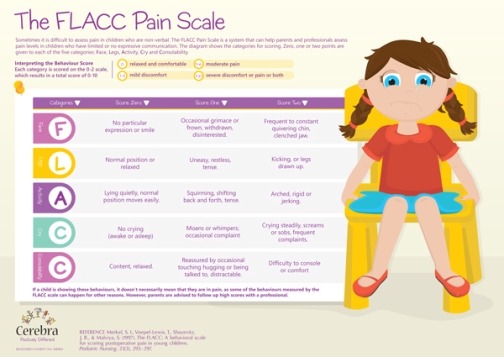
Resource pdf. Downloadable guide to help parents of children with severe intellectual and/or communication difficulties understand how pain may affect their child.
It does so by explaining possible causes of pain in children with intellectual disability, presenting information about how pain may be shown by children who cannot tell us they are in pain and discussing the effects of untreated pain.


#wearenotyourstrawman
- http://www.npr.org/2015/07/04/420019849/paper-finds-one-quarter-of-those-killed-by-police-are-mentally-ill
- http://depts.washington.edu/mhreport/facts_violence.php
- http://www.propublica.org/article/myth-vs-fact-violence-and-mental-health
- http://www.dailykos.com/story/2015/04/05/1375335/-American-tragedy-A-staggering-percentage-of-police-shooting-victims-struggled-with-mental-illness
- #wearenotyourstrawman was suggested by @takocos
 Holding the Bowl