lilbijou:

moon—cunt:

prowlish:

superwolfboneswholockgiraffe:

spacemuffinz:

hawaiiansquirrel:

luanlegacy:

stanley-tsaii:

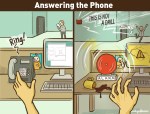
Just a set of quick photos I did for class.

you lost all your energy before you even walked out the door? you lazy bum

That’s exactly what a monday feels like

kinda what social anxiety feels like
I’M GONNA DO IT I’M GONNA DO THE THING WITH THE PEOPLE
*gets to door*
wait never mind i need to alphabetize my sock drawer

this is what chronic illness looks like. 😦 this is what I go through every single day. Only I’m at half empty before I even get out of bed… :

exactly what chronic illness looks like. mental or physical. this is a great illustration, which perhaps people with more empathy than “you lazy bum” can relate to.

yeah this is important af

iasg:

wow the infantilization of disabled people really sucks bc when i think of all the accommodations that could make school (and possibly even work) livable, all I can think of is how childish they all sound, let alone the fact that I need accommodations at all. 

idk there’s this idea that as an adult yr supposed to be able to tough through things 100% of the time but that idea is very harmful and wrong, even to non-disabled and neurotypical people.

What is Emotional Detachment

onlinecounsellingcollege:

1. This is an inability to connect with others in a deep and meaningful way.

2. Thus, although the person may be physically present, they are not emotionally present in the relationship.

3. In fact, sometimes the person will dissociate, or experience emotional numbing.

4. Emotional detachment…

What is Emotional Detachment

livesandliesofwizards:

Everyone would have agreed it was a shame that two weeks passed before Professor Flitwick realized why the child’s feather was failing to rise. “Louder, boy!” he instructed, when he finally reached the far left corner of the classroom to observe the student’s wandwork.

“Wingar——dium leviosa” the boy had said.

“Don’t pause in the middle, say it smoothly, like this.” Professor Flitwick demonstrated, the feather floating gracefully up a dozen inches then settling back to the desk. “Again!”

“W-w-w-ingar—-dium le-le-lev—-”

And that was when the professor had nodded in understanding and quickly ushered the child to the infirmary.

“No wonder he’s been so shy since he arrived, the poor thing’s ashamed to speak,” he explained to a bustling Madam Pomfrey. She shook three drops of Graphorn Gall onto the terrified boy’s tongue—expensive, but worth it for the permanent fix—flicked her wand twice and spoke the explicare charm. There was a quick red glow across his chin, and a loud pop that made him startle. The boy reached up tentatively to his lips.

“There, let’s hear you now.”

“Wingardium leviosa,” the boy said quietly.

“Ah ha! Very good,” exclaimed Madam Pomfrey. “Back to class, you’ll have those feathers flying in no time.” She escorted them out with a smile, placed her vial of Graphorn Gall back on the shelf, and proceeded to forget the incident entirely.

She wasn’t there to see the boy’s shy eyes when he greeted his parents at King’s Cross in December, his mother gasping at his free-flowing words, his father’s cheeks damp with pride. And many years later, when she noticed a former Head Boy return to Hogwarts with special permission to access the charms library, she could not have recalled their first meeting.

No one saw him alone in the guest quarters that night, pouring over ancient magical-reversal texts, muttering one incantation after another with wand pointed to his lips. “This is my voice,” he repeated quietly between each attempted spell. “This is my voice.” Another flick of his wand. “Th-th-this is my vvvvvoice.”

No, Madam Pomfrey was peacefully asleep after another day of mending the broken. She didn’t hear the man’s long, deep exhale, or see his bitter smile.

(Written and submitted by littleredspaces. This comes with the author’s note: “A look at non-consensual healing and the erasure of disabled identities in the wizarding world.

I’ll confess, I had to check in with littleredspaces before I understood this fully, not realizing that I had blinders on, so used to my way of looking at the world that I couldn’t understand the horror here. I’m extremely grateful to littleredspaces for taking the time to explain, and, even more so, I’m grateful that this was written. It uses the trappings of the magical world to tell us a story that is decidedly not magical in any way, that is real and all too painful.)

positivedoodles:

cumberqueer:

TW: mental health, mental illness

By Emm Roy.

Very descriptive of my life right now. I love Emm Roy’s work no matter where I’m at with my illness.

Thank you! Always happy to hear that someone loves my work. 

Ps. You deserve to have your illness taken seriously. You deserve to be treated with respect. I’m sorry that this is what you’re going through right now because you deserve so much better and I hope that you get everything you deserve in the future, but I’m proud of you for powering through and making it this far. Keep fighting the good fight.

Help, My Friend Won’t Stop Having Fibromyalgia At Me!

thatbadadvice:

Carolyn Hax, 10 Feb 2010:

Dear Carolyn: One of my friends has had fibromyalgia for the past year. It makes me sad, and so I like to find alternative treatments and cures and tell her about them. She’s gotten really annoyed with me for doing this, but I am only trying to…

Help, My Friend Won’t Stop Having Fibromyalgia At Me!

What are the signs of emotional abuse?

mosharellasticks:

the-goddamazon:

mental-health-advice:

Abusive Expectations – Makes impossible demands, requires constant attention, and constantly criticizes.

Aggressing – Name calling, accusing, blames, threatens or gives orders, and often disguised as a judgmental “I know best” or “helping” attitude.

Constant Chaos – Deliberately starts arguments with you or others. May treat you well in front of others, but changes when you’re alone.

Rejecting – Refusing to acknowledge a person’s value, worth or presence. Communicating that he or she is useless or inferior or devaluing his or her thoughts and feelings.

Denying – Denies personal needs (especially when need is greatest) with the intent of causing hurt or as punishment. Uses silent treatment as punishment. Denies certain events happened or things that were said. Denies your perceptions, memory and sanity by disallowing any viewpoints other than their own which causes self-doubt, confusion, and loss of self-esteem.

Degrading – Any behavior that diminishes the identity, worth or dignity of the person such as: name-calling, mocking, teasing, insulting, ridiculing,

Emotional Blackmail – Uses guilt, compassion, or fear to get what he or she wants.

Terrorizing – Inducing intense fear or terror in a person, by threats or coercion.

Invalidation – Attempts to distort your perception of the world by refusing to acknowledge your personal reality. Says that your emotions and perceptions aren’t real and shouldn’t be trusted.

Isolating – Reducing or restricting freedom and normal contact with others.

Corrupting – Convincing a person to accept and engage in illegal activities.

Exploiting – Using a person for advantage or profit.

Minimizing – A less extreme form of denial that trivializes something you’ve expressed as unimportant or inconsequential.

Unpredictable Responses – Gets angry and upset in a situation that would normally not warrant a response. You walk around on eggshells to avoid any unnecessary drama over innocent comments you make. Drastic mood swings and outbursts.

Gaslighting -A form of psychological abuse involving the manipulation of situations or events that cause a person to be confused or to doubt his perceptions and memories. Gaslighting causes victims to constantly second-guess themselves and wonder if they’re losing their minds.

Love, Salem

The last one is a killer and very important.

decided to reblog this because this has shown me that i’m receiving a lot of emotional abuse from my crush and i didn’t even know it. hopefully this will help open your eyes as well.

dil-howlters-door:

misandry-mermaid:

dazebras:

animedavidbowie:

unrecognizedpotential:

forgottenawesome:

Do You Love Someone With Depression?

If you have a partner or are close to someone who struggles with depression, you may not always know how to show them you love them. One day they may seem fine, and the next they are sad, distant and may push you away. It is important that you know that as a person who is close to them and trusted by them, you can help your friend or partner have shorter, less severe bouts of depression. Mental illness is as real as physical illness (it is physical actually, read more about that here) and your partner needs you as much as they would need to be cared for if they had the flu.

Your relationship may seem one-sided during these times, but by helping your partner through a very difficult and painful affliction, you are strengthening your relationship and their mental health in the long term.

1. Help them keep clutter at bay.

When a person begins spiraling into depression, they may feel like they are slowing down while the world around them speeds up. The mail may end up in stacks, dishes can pile up in the sink, laundry may go undone as the depressed person begins to feel more and more overwhelmed by their daily routine and unable to keep up. By giving your partner some extra help sorting mail, washing dishes or using paper plates and keeping chaos in check in general, you’ll be giving them (and yourself) the gift of a calm  environment. (I’m a fan of the minimalist movement because of this, you can read more about that here.)

2. Fix them a healthy meal.

Your partner may do one of two things when they are in a depressed state. They may eat very little, or they may overeat. In either case, they may find that driving through a fast food restaurant or ordering a pizza online is just easier than fixing a meal. Eating like this, or neglecting to eat will only degrade your partner’s health, causing them to go deeper into their depression. Help your loved one keep their body healthy, and their mind will follow. This is a great article that talks about the “Brain Diet” which can help the symptoms of depression, and this article talks about how our modern diet could contribute to the recent rise in depression. Here is a recipe for a trail mix that is quick to make and has mood-boosting properties.

3.Get them outside.

 The benefits of getting outside for a depressed person are huge. And it is possibly the last thing on earth your partner will want to do. Take them to be somewhere in nature. Pack a picnic and lie in the sun, take a leisurely hike or plant a garden. Being barefoot in the dirt, or “earthing” helps ground the body and reverse the effects of living in a world of emf’s, and digging in soil can actually act as an antidepressant, as a strain of bacterium in soil, Mycobacterium vaccae, triggers the release of seratonin, which in turn elevates mood and decreases anxiety. Sunshine increases Vitamin D production which can help alleviate depression. My friend Elizabeth wrote an excellent post about Vitamin D and its link to depression here.  For more information about other sources of Vitamin D, this is a great post as well as this.

4. Ask them to help you understand what they’re feeling.

If your partner is able to articulate what they are going through, it will help them and you better understand what you are dealing with, and may give insight into a plan of action for helping your partner. Also, feeling alone is common for a depressed person and anything that combats that feeling will help alleviate the severity and length of the depression.

5. Encourage them to focus on self-care.

Depressed people often stop taking care of themselves. Showering, getting haircuts, going to the doctor or dentist, it’s all just too hard, and they don’t deserve to be well taken care of anyway in their minds. This can snowball quickly into greater feelings of worthlessness since “Now I’m such a mess, no one could ever love me”. Help your loved one by being proactive. Tell them “I’m going to do the dishes, why don’t you go enjoy a bubble bath?” can give them the permission they won’t give themselves to do something normal, healthy and self-loving.

6. Hug them.

Studies show that a sincere hug that lasts longer than 20 seconds can release feel-good chemicals in the brain and elevate the mood of the giver and receiver. Depressed people often don’t want to be touched, but a sincere hug with no expectation of anything further can give your partner a lift.

7. Laugh with them.

Telling a silly joke, watching a comedy or seeing a stand up comedian will encourage your partner to laugh in spite of themselves. Laughing releases endorphins and studies show can actually counteract symptoms of depression and anxiety.

8. Reassure them that you can handle their feelings.

Your partner may be feeling worthless, angry and even guilty while they are depressed. They may be afraid that they will end up alone because no one will put up with their episodes forever. Reassure them that you are in the relationship for the long haul and they won’t scare you away because they have an illness.

9. Challenge their destructive thoughts.

A depressed person’s mind can be a never-ending loop of painful, destructive thoughts. “I’m unlovable, I’m a failure, I’m ugly, I’m stupid”. Challenge these untruths with the truth. “You’re not unlovable, I love you. You aren’t a failure, here are all the things you’ve accomplished.”

10.Remind them why you love them.

Look at pictures of happy times you’ve had together. Tell them your favorite things about them. Reminisce about your relationship and all the positive things that have happened, and remind your partner that you love them and they will get through this.

(via The Darling Bakers)

More people need to know this.

This is so incredibly important. I’ve seen people with depression ostracized so many times, and I cannot stress how much it means to each and every person I’ve tried to reach out to after whatever “falling-outs” they’ve had due to depression. Remember to always be compassionate and kind to all friends like this, because you never know what they’re going through.

Along with these great tips, here few extra things NOT to do:

  • Don’t tell them to just try to think positively.  This is NOT helpful because depression is a mental illness, not just a negative outlook or a choice.
  • Don’t wait for them to reach out to you.  Reaching out can feel impossibly daunting for someone with depression, even if they want company badly, so try to initiate time together as much as possible.
  • Don’t diminish their experiences or feelings with stuff like “Everyone has bad days” or “I used to feel like you but I got through it”.  These might be intended to help but they don’t.
  • Don’t make jokes about suicide or self harm around your friend, as they may be struggling with those things and feel unsupported by those around them.
  • Don’t go too long without checking in.  Expressing feelings can be hard when depressed, so initiate conversations by asking them how they’re doing and making yourself available as a listening ear.  Don’t assume that they are okay just because they haven’t told you that they’re struggling.

OK BUT THIS IS ACTUALLY VERY TRUE
TAKE NOTES