
Correcting A Misperception: For the longest time I was perplexed by an odd modern trend where people are talking about this Goddess as an abused wife, as someone abused by Loki. There’s absolutely no reference in the lore to this ANYWHERE. So I was left wondering, why does this misinformation continue to crop up?
Apparently it’s a simple case of mistaken identity. Some folks are confusing Sigyn with the various Signys that appear in the lore. Each and ever occurrence of a Signy is conveying a human, mortal woman. Several of these women were raped, suffered injustices, and the like.
Additionally, I would not be surprised if part of the reason why Sigyn is described sometimes as an abused wife, is because some of those who perceive Loki as evil incarnate, automatically assume that He must also be abusive. But we have nothing to suggest that he has ever been abusive to his wife, and in fact as we see in the ancient law codes (Gulaþing Law, etc.), a woman could divorce a husband if he struck her, and while more difficult, could also divorce because she was unhappy.
Tag: Sigyn
So I’ve been looking into some Norse gods, and found some interesting information about one of Sigyn’s best known kennings, “Incantation Fetter”: in that context, ‘fetter’ means either to control or to break, and ‘incantation’ of course refers to magic.
So Sigyn’s name means “Victory Woman” and her most famous nickname basically translates to “Cursebreaker”.
People can spout off all they want about Sigyn being useless, boring, etc etc, but I’d say she must have kicked some serious ass to earn those kind of monikers from a warrior culture like the Norse.
Eh, not quite. The kenning in question is galdrs hapt, which is found in Þorsdrapa stanza 3. “Hapt” does mean fetter, but it means to tie to bind something, like you see in the First Merseberg Charm. So she doesn’t break curses, she’s skilled at galdr.
The First Merseberg Charm is Old High German, not Norse. That’s not even relevant. “Might be cognates” does not mean “exactly the same”.
Well yes. But in this case, they actually are from the same root word. Proto-Germanic haftaz. Which is a cognate with Old High German hafta, Old Norse hapt/haptr, Middle Low German hacht, Old English hæft.
#There’s always got to be one #doesn’t there #And linking to Wikipedia? Really?
Your tags are not endearing. I would recommend not assuming that, if people don’t respond with a scholarly essay and citation list like some of the stuff I usually write, that they are a clueless newb.
As I said, cognate does not mean exactly the same.
As for “clueless newb”, I’m not the one using Wikipedia as a source. If you’re going to go around telling people they’re wrong, at least try producing some evidence more credible than a Wikipedia article about something in a different language. That’s like pointing at a French document to tell me I’m mistranslating a Italian phrase. Hey, they’re both descended from Latin so that makes them the same, right? Wrong.
You say I’m wrong, it’s on you to prove it. With evidence that is actually relevant and from a reputable source.
Petra Mikolić. “The God-Semantic Field in Old Norse Poetry”. Page 57.
Don’t bother replying. I have no interest in speaking to you again.

In Norse mythology, Sigyn (Old Norse “victorious girl-friend”) is a goddess and is the wife of Loki. Sigyn is attested in the Poetic Edda, compiled in the 13th century from earlier traditional sources, and the Prose Edda, written in the 13th century by Snorri Sturluson. In the Poetic Edda, little information is provided about Sigyn other than her role in assisting Loki during his captivity. In the Prose Edda, her role in helping her husband through his time spent in bondage is stated again, she appears in various kennings, and her status as a goddess is mentioned twice. Sigyn may appear on the Gosforth Cross and has been the subject of an amount of theory and cultural references.

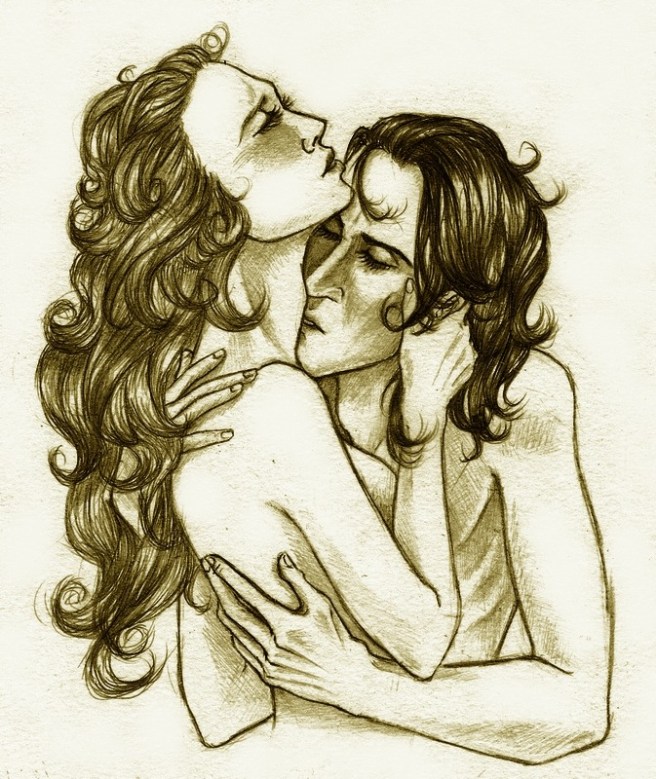

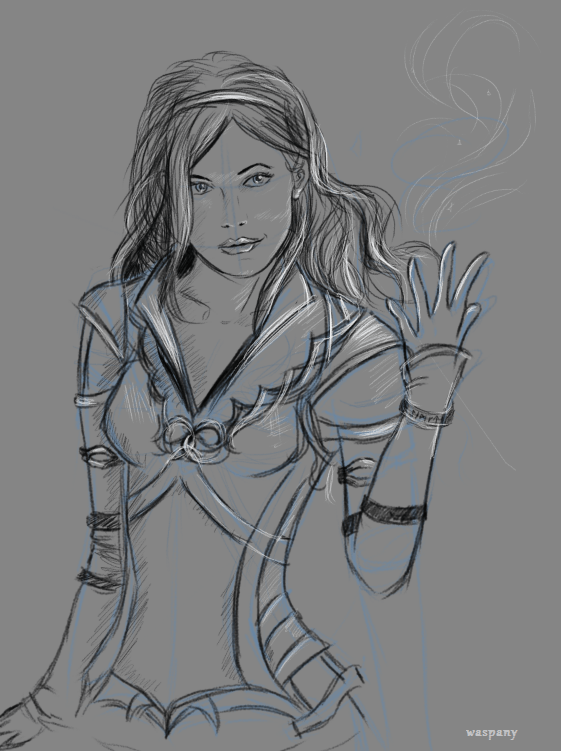
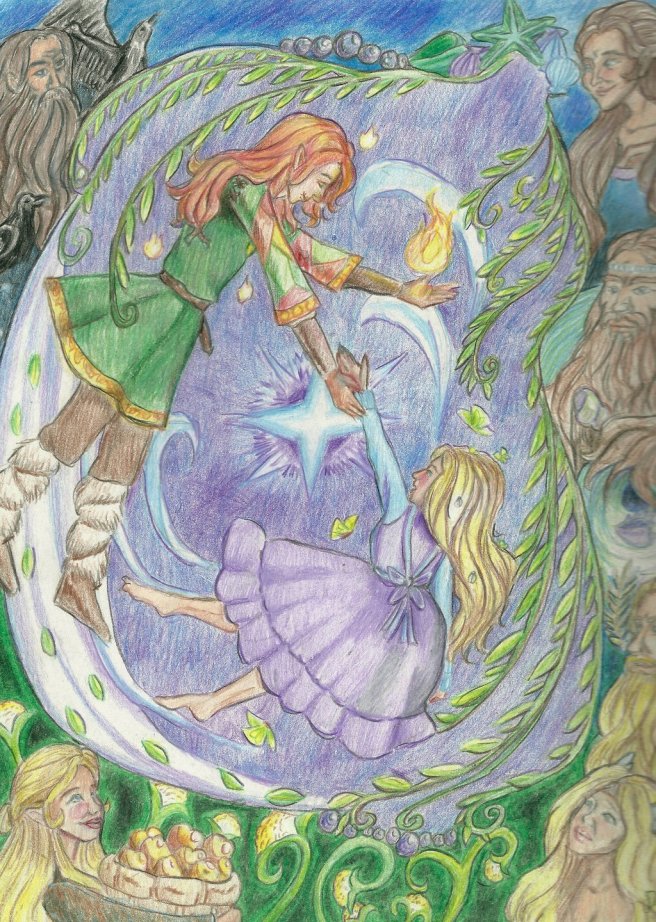
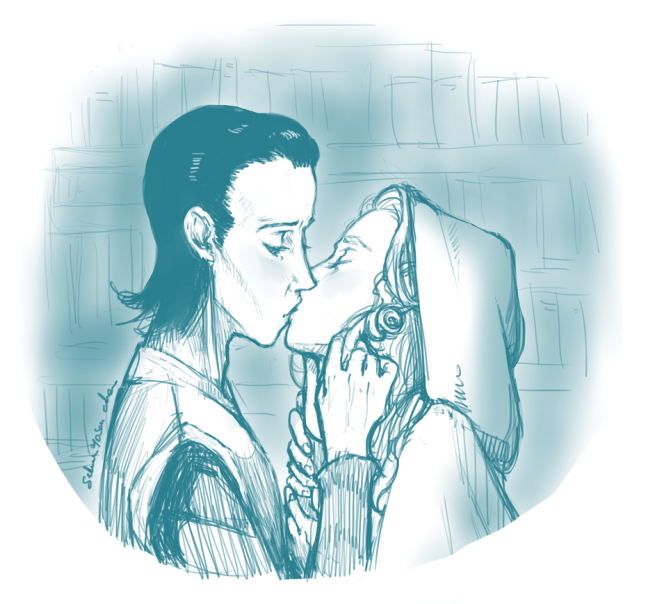
Request by anon: “Can you draw some more Logyn art you haven’t done it in awhile only Lokane? :(”
I’m really sorry this is ok for forgive me honey?
30 Days of Devotion (Sigyn)
XV. Any mundane practices that are associated with this deity?
As far as physical actions go, the first one would be holding the bowl, which is simply holding an empty bowl in this world in order to take Her place in the Cave. Sigyn may request other actions from an individual, but most people tend to suggest holding the bowl to anyone wanting to interact with or do anything with Sigyn.
In a less literal fashion, a person can hold the bowl in more metaphorical ways – helping to support and aid caregivers, being a caregiver, becoming a hospice worker, volunteering to spend time with physically and/or mentally ill patients, volunteering to spend time with people in nursing homes, providing emotional support and resources to those who are mentally ill, volunteering with hotlines, etc.
I currently can’t find the post where I initially shared this site, but emotionalbaggagecheck.com lets you leave baggage or carry someone else’s.

