
The Bionic Mind: Building Brain Implants To Fight Depression, PTSD
The next step is much more sophisticated: a “closed-loop” system, with sensors in the brain, and feedback. So it can pick up when brain activity is going off course, try to correct it in real-time, and then tell whether the correction has worked.
If that sounds sort of like your phone’s GPS system, well, it is, says Dr. Emery Brown, an MIT computational neuroscientist who’ll be working on the algorithms for the brain implant.If you’re trying to get from Boston to Providence and you go off course, your GPS picks up your error and points you back to the right road, he says. With the brain implant, “If I see that your brain activity is starting to move back into that state indicative of you not feeling well, toward a depressed state or toward fears associated with PTSD, then I’m going to stimulate to correct that. It’s wholly analogous, and in fact, the paradigm really follows precisely the paradigm used to build GPS.”
First, though, scientists need to learn how to recognize which patterns of brain activity — which “neural signatures” — indicate depression and PTSD.
Tag: research
People With Down Syndrome Are Pioneers In Alzheimer’s Research
Alzheimer’s researchers are increasingly interested in people like McCowan because “people with Down syndrome represent the world’s largest population of individuals predisposed to getting Alzheimer’s disease,” says Michael Rafii, director of the Memory Disorders Clinic at UCSD.
Down syndrome is a genetic disorder that’s best known for causing intellectual disability. But it also causes Alzheimer’s. “By the age of 40, 100 percent of all individuals with Down syndrome have the pathology of Alzheimer’s in their brain,” Rafii says.
People With Down Syndrome Are Pioneers In Alzheimer’s Research
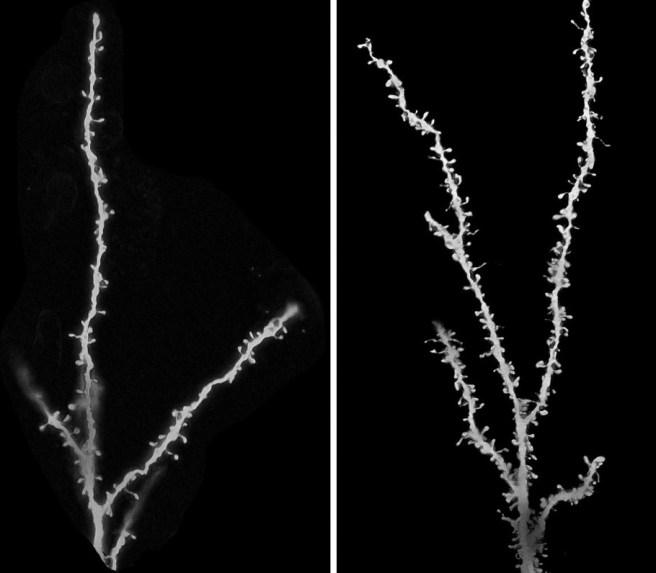
NEW YORK, NY (August 21, 2014) — Children and adolescents with autism have a surplus of synapses in the brain, and this excess is due to a slowdown in a normal brain “pruning” process during development, according to a study by neuroscientists at Columbia University Medical Center (CUMC). Because synapses are the points where neurons connect and communicate with each other, the excessive synapses may have profound effects on how the brain functions. The study was published in the August 21 online issue of the journal Neuron.

Mind and body: Scientists identify immune system link to mental illness
Children with high everyday levels of a protein released into the blood in response to infection are at greater risk of developing depression and psychosis in adulthood, according to new research which suggests a role for the immune system in mental illness.
The study, published today in JAMA Psychiatry, indicates that mental illness and chronic physical illness such as coronary heart disease and type 2 diabetes may share common biological mechanisms.
When we are exposed to an infection, for example influenza or a stomach bug, our immune system fights back to control and remove the infection. During this process, immune cells flood the blood stream with proteins such as interleukin-6 (IL-6), a tell-tale marker of infection. However, even when we are healthy, our bodies carry trace levels of these proteins – known as ‘inflammatory markers’ – which rise exponentially in response to infection.
Now, researchers have carried out the first ever longitudinal study – a study that follows the same cohort of people over a long period of time – to examine the link between these markers in childhood and subsequent mental illness.
A team of scientists led by the University of Cambridge studied a sample of 4,500 individuals from the Avon Longitudinal Study of Parents and Children – also known as Children of the 90s – taking blood samples at age 9 and following up at age 18 to see if they had experienced episodes of depression or psychosis. The team divided the individuals into three groups, depending on whether their everyday levels of IL-6 were low, medium or high. They found that those children in the ‘high’ group were nearly two times more likely to have experienced depression or psychosis than those in the ‘low’ group.
Dr Golam Khandaker from the Department of Psychiatry at the University of Cambridge, who led the study, says: “Our immune system acts like a thermostat, turned down low most of the time, but cranked up when we have an infection. In some people, the thermostat is always set slightly higher, behaving as if they have a persistent low level infection – these people appear to be at a higher risk of developing depression and psychosis. It’s too early to say whether this association is causal, and we are carrying out additional studies to examine this association further.”
The research indicates that chronic physical illness such as coronary heart disease and type 2 diabetes may share a common mechanism with mental illness. People with depression and schizophrenia are known to have a much higher risk of developing heart disease and diabetes, and elevated levels of IL-6 have previously been shown to increase the risk of heart disease and type 2 diabetes.
Professor Peter Jones, Head of the Department of Psychiatry and senior author of the study, says: “Inflammation may be a common mechanism that influences both our physical and mental health. It is possible that early life adversity and stress lead to persistent increase in levels of IL-6 and other inflammatory markers in our body, which, in turn, increase the risk of a number of chronic physical and mental illness.”
Indeed, low birth weight, a marker of impaired foetal development, is associated with increased everyday levels of inflammatory markers as well as greater risks of heart disease, diabetes, depression and schizophrenia in adults.
This potential common mechanism could help explain why physical exercise and diet, classic ways of reducing risk of heart disease, for example, are also thought to improve mood and help depression. The group is now planning additional studies to confirm whether inflammation is a common link between chronic physical and mental illness.
The research also hints at interesting ways of potentially treating illnesses such as depression: anti-inflammatory drugs. Treatment with anti-inflammatory agents leads to levels of inflammatory markers falling to normal. Previous research has suggested that anti-inflammatory drugs such as aspirin used in conjunction with antipsychotic treatments may be more effective than just the antipsychotics themselves. A multicentre trial is currently underway, into whether the antibiotic minocycline, used for the treatment of acne, can be used to treat lack of enjoyment, social withdrawal, apathy and other so called negative symptoms in schizophrenia. Minocycline is able to penetrate the ‘blood-brain barrier’, a highly selective permeability barrier which protects the central nervous system from potentially harmful substances circulating in our blood.
The ‘blood-brain barrier’ is also at the centre of a potential puzzle raised by research such as today’s research: how can the immune system have an effect in the brain when many inflammatory markers and antibodies cannot penetrate this barrier? Studies in mice suggest that the answer may lie in the vagus nerve, which connects the brain to the abdomen. When activated by inflammatory markers in the gut, it sends a signal to the brain, where immune cells produce proteins such as IL-6, leading to increased metabolism (and hence decreased levels) of the ‘happiness hormone’ serotonin in the brain. Similarly, the signals trigger an increase in toxic chemicals such as nitric oxide, quinolonic acid, and kynurenic acid, which are bad for the functioning of nerve cells.
makes me wonder…
Phases of clinical depression could affect treatment
(Medical Xpress)—Research led by the University of Adelaide has resulted in new insights into clinical depression that demonstrate there cannot be a ‘one-size-fits-all’ approach to treating the disease.Explores the hypothesis (arrived at through recent studies) that depression is more influenced by immune system responses than previously thought and that it may respond differently to any given treatment at various phases in the cycle of the immune system’s reactions.
Guise, this is important.

Kids with Autism, Sensory Processing Disorders Show Brain Wiring Differences
Researchers at UC San Francisco have found that children with sensory processing disorders have decreased structural brain connections in specific sensory regions different than those in autism, further establishing SPD as a clinically important neurodevelopmental disorder.
The research, published in the journal PLOS ONE, is the first study to compare structural connectivity in the brains of children with an autism diagnosis versus those with an SPD diagnosis, and with a group of typically developing boys. This new research follows UCSF’s groundbreaking study published in 2013 that was the first to find that boys affected with SPD have quantifiable regional differences in brain structure when compared to typically developing boys. This work showed a biological basis for the disease but prompted the question of how these differences compared with other neurodevelopmental disorders.
“With more than 1 percent of children in the U.S. diagnosed with an autism spectrum disorder, and reports of 5 to 16 percent of children having sensory processing difficulties, it’s essential we define the neural underpinnings of these conditions, and identify the areas they overlap and where they are very distinct,” said senior author Pratik Mukherjee, MD, PhD, a professor of radiology and biomedical imaging and bioengineering at UCSF.
SPD Gains Recognition as Distinct Condition
SPD can be hard to pinpoint, as more than 90 percent of children with autism also are reported to have atypical sensory behaviors, and SPD has not been listed in the Diagnostic and Statistical Manual used by psychiatrists and psychologists.
“One of the most striking new findings is that the children with SPD show even greater brain disconnection than the kids with a full autism diagnosis in some sensory-based tracts,” said Elysa Marco, MD, cognitive and behavioral child neurologist at UCSF Benioff Children’s Hospital San Francisco and the study’s corresponding author. “However, the children with autism, but not those with SPD, showed impairment in brain connections essential to the processing of facial emotion and memory.”
Children with SPD struggle with how to process stimulation, which can cause a wide range of symptoms including hypersensitivity to sound, sight and touch, poor fine motor skills and easy distractibility. Some SPD children cannot tolerate the sound of a vacuum, while others can’t hold a pencil or struggle with emotional regulation. Furthermore, a sound that is an irritant one day can be tolerated the next. The disease can be baffling for parents and has been a source of much controversy for clinicians who debate whether it constitutes its own disorder, according to the researchers.
“These kids, however, often don’t get supportive services at school or in the community because SPD is not yet a recognized condition,” said Marco. “We are starting to catch up with what parents already knew; sensory challenges are real and can be measured both in the lab and the real world. Our next challenge is to find the reason why children have SPD and move these findings from the lab to the clinic.”
Examining White Matter Tracts in the Brain
In the study, researchers used an advanced form of MRI called diffusion tensor imaging (DTI), which measures the microscopic movement of water molecules within the brain in order to give information about the brain’s white matter tracts. The brain’s white matter forms the “wiring” that links different areas of the brain and is therefore essential for perceiving, thinking and action. DTI shows the direction of the white matter fibers and the integrity of the white matter, thereby mapping the structural connections between brain regions.
The study examined the structural connectivity of specific white matter tracts in16 boys with SPD and 15 boys with autism between the ages of 8 and 12 and compared them with 23 typically developing boys of the same age range.
The researchers found that both the SPD and autism groups showed decreased connectivity in multiple parieto-occipital tracts, the areas that handle basic sensory information in the back area of the brain. However, only the autism cohort showed impairment in the inferior fronto-occipital fasciculi (IFOF), inferior longitudinal fasciculi (ILF), fusiform-amygdala and the fusiform-hippocampus tracts – critical tracts for social-emotional processing.
“One of the classic features of autism is decreased eye-to-eye gaze, and the decreased ability to read facial emotions,” said Marco. “The impairment in this specific brain connectivity, not only differentiates the autism group from the SPD group but reflects the difficulties patients with autism have in the real world. In our work, the more these regions are disconnected, the more challenge they are having with social skills.”
Kids with isolated SPD showed less connectivity in the basic perception and integration tracts of the brain that serve as connections for the auditory, visual and somatosensory (tactile) systems involved in sensory processing.
“If we can start by measuring a child’s brain connectivity and seeing how it is playing out in a child’s functional ability, we can then use that measure as a metric for success in our interventions and see if the connectivities are changing based on our clinical interventions,” said Marco. “Larger studies to replicate this early work are clearly needed but we are encouraged that DTI can be a powerful clinical and research tool for understanding the basis for sensory neurodevelopmental differences.”
» Soulmates Have Worst Relationships – Psych Central News
Provocative new research looks into the way that people think and talk about love.
Social psychologists observed that people talk and think about love in an incessant variety of ways but underlying such diversity are some common themes that frame how we think about relationships.
One popular perspective considers love as perfect unity (“made for each other,” “she’s my other half”); in another view, love is a journey (“look how far we’ve come,” “we’ve been through all these things together”).
These two ways of thinking about relationships are particularly interesting because, according to study authors Spike W. S. Lee and Norbert Schwarz, they have the power to highlight or downplay the damaging effect of conflicts on relationship evaluation….
Family Caregiver Alliance
FCA is first and foremost a public voice for caregivers. Founded in the late 1970s, we were the first community-based nonprofit organization in the country to address the needs of families and friends providing long-term care for loved ones at home. We illuminate the caregivers’ daily challenges to better the lives of caregivers nationally, provide them the assistance they need and deserve, and champion their cause through education, services, research and advocacy.
Long recognized as a pioneer in health services, FCA supports and sustains caregivers with national, state and local programs and resources:
- National Center on Caregiving– FCA’s NCC unites research, policy and practice, to advance the development of high-quality, cost-effective programs and policies for caregivers in every state
- Family Care Navigator is sponsored by the NCC and helps caregivers locate support services by state
- Link2Care, is an online discussion & support group managed by FCA intended for clients of California’s system ofCaregiver Resource Centers, especially focused on caregivers of those with Dementia
- Bay Area Caregiver Resource Center is the CRC for the six-county San Francisco Bay Area, operated by FCA. FCA’s Family Consultants, educated & licensed in social work, work closely with families caring for ill or elderly loved ones.
Our services, education programs and publications are developed with caregivers’ expressed needs in mind, to offer real support, essential information, and tools to manage the complex and demanding tasks of caregiving.
Meditation That Eases Anxiety? Brain Scans Show Us How
Research and technology have advanced to the point where scientists can observe the way in which meditation affects the brain to reduce anxiety.
Using special imaging technology, researchers from Wake Forest Baptist Medical Center report that they have determined the way in which meditation affects or acts upon certain brain mechanisms.
“Although we’ve known that meditation can reduce anxiety, we hadn’t identified the specific brain mechanisms involved in relieving anxiety in healthy individuals,” said Fadel Zeidan, Ph.D., the lead author of the study.
“In this study, we were able to see which areas of the brain were activated and which were deactivated during meditation-related anxiety relief.”…
Why Stress Triggers Depression In Some People, Resilience In Others
A new study shows why stress can trigger depression in some people. But what’s the solution?
Depending on your genetic makeup and a host of other variables, you’ll have a different reaction to stressful events from the people around you, and even your relatives. Some people naturally get energized by the challenge, even if it’s a frightening or intimidating one, and can’t wait to overcome it. Others feel dwarfed by the stress and just want to hide from it – this is called depression. Researchers and psychologists have long tried to tease apart why people have such different reactions to stress, and now a new study offers more clues about what’s going on in the brain to explain this difference in people’s responses.
Why Stress Triggers Depression In Some People, Resilience In Others
 Holding the Bowl