hideki16seiyuu:

cameoamalthea:

greenjudy:

pyrrhicgoddess:

thgchoir:

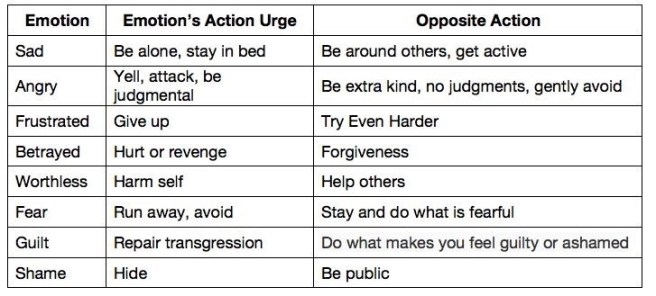
no offense but this is literally the most neurotypical thing i have ever seen

Uhhhh… no.
This is what they teach you in therapy to deal with BPD and general depression.
When I got out of the hospital after hurting myself a second time, I got put into intensive outpatient program for people being released from mental hospitals as a way to monitor and help transition them into getting them efficient long-term care.
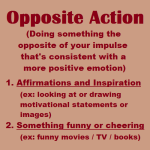
This is something they stressed, especially for people with general depression. When you want to stay at home and hide in your bed, forcing yourself to do the opposite is what is helpful. For me, who struggles with self harm- “I want to really slice my arm up. The opposite would be to put lotion on my skin (or whatever would be better, like drawing on my skin) the opposite is the better decision.” It doesn’t always work because of course mental health isn’t that easy, but this is part of what’s called mindfulness (they say this all the time in therapy)

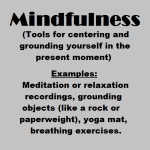
Being mindful of these is what puts you on the path to recovery. If you’re mindful, you are able to live in that moment and try your best to remember these better options.

I swear to god, I don’t get why some people on this website straight up reject good recovery help like this because either they a)have never been in therapy so don’t understand in context how to use these coping tactics. Or b)want to insist that all therapists and psych doctors are neurotypical and have zero idea what they are talking about. (Just so ya know, they teach this in DBT, the therapy used to help BPD. The psychologist who came up with DBT actually had BPD, so….a neurotypical women didn’t come up with this.)

I have clinical OCD and for me, exposure therapy–a version of “do the opposite”–has been fundamental. I’ve had huge improvement in the last year, but I’m 100% clear that if I hadn’t done my best to follow this protocol I’d be fucked. I have a lot of empathy for that moment when you’re just too tired to fight and you check the stove or you wash your hands or go back to the office at midnight to make sure the door is locked. But the kind of therapeutic approach outlined above has been crucial for me. 

It’s hard to do. I’ve weathered panic attacks trying to follow this protocol. But I’ve gotten remarkable results. I was afraid to touch the surfaces in my house, okay? I was afraid to touch my own feet, afraid to touch my parrot–deliberately exposing myself to “contamination” has helped me heal. I can’t speak for people with other issues, but this has helped my anxiety and OCD. 

I feel that tumblr, in an effort to be accepting of mental illness, has become anti-recovery. Having a mental illness does not make you a bad person. There is nothing morally wrong with having a mental illness anymore than more than there’s something morally wrong with having the flu. However, if you’re “ill” physically or mentally, something is wrong in the sense that you are unwell and to alleviate that you should try to get better. While there is not “cure” for mental illness, there are ways to get better.

There was a post on tumblr where someone with ADHD posted about how much you can get done when you focus and was attacked for posting about being “nuerotypical” – when she was posting about the relief she got from being on an medication to treat her illness. 

I saw another post going around tumblr that said something along the line of “you control your thoughts, why not choose to have happy thoughts” which again was shot down as “nuerotypical” but while you don’t have control over what thoughts come into your mind, you absolutely can and should choose to have happy thoughts. In DBT we call this “positive self talk”.

I’m in DBT to help treat PTSD stemming from child abuse. The abuse and abandonment I experienced destroyed my self esteem and created a lot of anxiety over upsetting other people. DBT has taught me to recognize when my thoughts are distorting realty ‘no one likes you’ and answer back ‘plenty of people like you, you don’t need everyone to like you, especially if the relationship doesn’t make you happy’, to respond to the thought ‘I’m so worthless’ with ‘you’re really great and have accomplished something’ 

And it’s not easy to challenge your thoughts, it’s a skill that’s learned and it’s hard to force yourself to think something that doesn’t seem authentic or even seems wrong to think – it’s hard to be encouraging towards yourself when you hate yourself – but you force yourself to be aware of your thoughts and push back when you fall into unhealthy patterns 

That isn’t “so neurotypical” that’s recovery. 

Not shaming mental illness doesn’t mean shaming RECOVERY.

Pro-Recovery isn’t anti-disability. 

Do not shame healthy behaviors as “neurotypical”.

Learning healthy behaviors and taking steps to treat mental illness and disorders including taking medication if that’s what works for you is important. You shouldn’t be ashamed if you have mental illness, but you shouldn’t say ‘well I’m not neurotypical therefor I can’t do anything to get better’ – while there is no cure for mental illness, there is a lot you can do to get better, to function better, to manage your mental illness and be safer, happier, and healthier for it. 

When I contracted PTSD my therapist first confirmed I has been traumatized then asked me to speak about the specific moments that stuck with me the most. I had to directly acknowledge the memories I wanted to avoid in order to make my brain realize it wasn’t happening anymore.


When my depression was so bad I couldn’t bare any positive comments about myself or compliments, my therapist made a point to end each session with a compliment that I had to accept and thank her for. At the time I hated myself so much it could physically HURT, but she worked to ease me into it.


When we discovered I live almost constantly dissociated, my therapist worked with me to move back into my body fir a five-minute period. This is commonly a coping mechanism for Autistic people and others with sensory issues, and I had started doing it at a young age to handle stimulation on a day-to-day basis. The reason why I had to learn to stop it is because when my head and body didn’t feel connected, I couldn’t stop the physical affects of anxiety; I couldn’t calm my body down, and the anxiety would escalate to panic. The sensation was AWFUL when I returned into my body – it was like grabbing a live wire and I hated every second, but I’m better for it. I learned to ground myself.


Unfortunately, the recovery process can mean directly challenging bad thoughts and feelings which SUCKS but in the long run, it may actually help you. You might not be in a place to do it right now, and it sounds scary and awful, but there are ways to do it safely and beneficially!
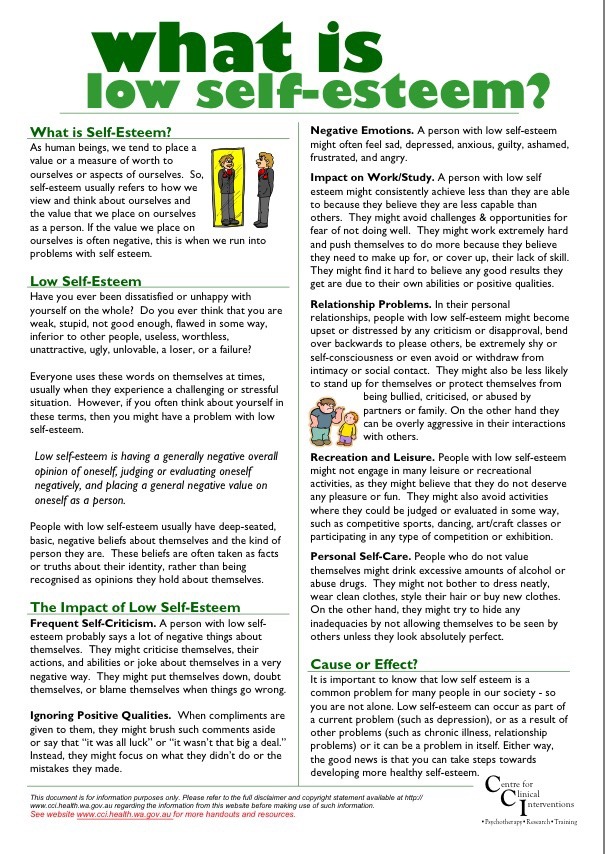

Is there a norse deity or a particular story that might relate well to mental illness or addiction and recovery? I’ve always drawn great comfort and inspiration from the story of Tyr chaining Fenrir’s, but it has been through the view of sacrifice for a better future. I guess… I was wondering if there is something gentler our there? Sorry if this is weird or stupid. You just know so much I thought you’d be the one to ask. Sorry. Thank you for your time.

hedendom:

thorraborinn:

There is nothing wrong with this question, and I’m glad you asked. If we want to make any claim to being part of a living tradition, we heathens need to be able to apply our beliefs in the real world. Relating to stories and to the gods are two of the best ways to do that (given, of course, that we can find ones which are applicable). I think we need to ask more questions like this.

Since medieval Icelandic literature was passed down to us through medieval Christians, any explicit example of mental illness is filtered through their worldview, informed by Roman medical tradition and not only outrageously outdated, but also not necessarily a reflection of what heathens themselves thought, so we can only make guesses. That makes examples of anything that is directly related hard to find.

Obviously you don’t necessarily have a problem with that, since you mentioned the story of Týr and Fenrir.

When it comes to stories, it’s hard for me to make solid recommendations, because I might be reacting to them completely differently from how you do. I’m not really coming up with much in terms of myths, but I know of some sagas that might be of interest to you. One of the most moving parts of Egils saga is when Egill’s son dies, and in response he attempts suicide by starvation. His daughter convinces him to transform his despair into a poetic tribute for his son, and in doing so he manages to recover. Throughout the whole story (between the extreme viking violence of course… causing a strange contrast) he shows incredible depth for a figured described in the down-to-earth style of the Icelandic sagas and has a few visceral encounters with his own emotions, but that one is definitely the most powerful in my opinion.

Another, which is maybe a little counter-intuitive for a heathen (because the main character renounces the gods as part of his recovery) is Hrafnkels saga Freysgoða (or The saga of Hrafnkell Freysgoði). Hrafnkell was a powerful chieftain but was reckless with his power and it crumbled when he was found guilty of murder. Humiliated and stripped of his property, he laid low for six years, accumulating money in trading and friends with his generosity and loyalty, having decided that his negative traits did him no good. Eventually this enables him to take back his farm and his position of authority which he keeps until he dies.

The relevance of this one is not obvious, and honestly you might get nothing out of it, but I really like Göngu-Hrólfs saga. In the beginning Hrólfr is considered by his family unlikely to ever amount to anything, and eventually he gets fed up and sets out to prove himself, but he’s still unsocial and unsure of himself but throughout the story shows an unusual amount of character development for a legendary saga (which are usually full of unchanging stock characters). Maybe it won’t help, but the story still kicks ass. (psst… message me off anon or send an email at kmfrench2 at gmail and I will show you where to find this… it won’t blow your anon because I will have no idea if it’s actually you or just someone else who sees this).

When it comes to deities, I can’t think of many that are specifically related to this, but there are quite a lot who I think cover smaller aspects of the situation. The best example of a recovery in general in Norse mythology is probably Baldr’s and Höðr’s return from Helheimr, and even Hermóðr’s treacherous but successful journey to Helheimr; their whole side of the story, and especially Baldr himself, emphasize hope on the other side of misfortune. Of course Eir is the goddess of healing according to Snorri, and she is one of several figures mentioned in Fjölsvinnsmál who seem to be helpful in recovering from illness, including for example Hlíf ‘shelter’ and Fríð ‘peace‘. When it comes to steadfastness, resolve, and alertness I always think of Heimdallr, and Thor is always an inspiration to find strength in yourself to power through a difficult situation (as well as to pick yourself up when you feel like you’ve fallen, as Thor did many times during his journey to Utgarða-Loki’s). We know from runic inscriptions that conditions like headaches were sometimes framed as opponents who could be defeated with the help of a supernatural ally like Thor, perhaps less physical ailments can be framed in a similar way. Freyja helps her worshiper Óttarr face a giantess and manifest his potential. Syn (‘denial’) may be helpful in setting up boundaries between yourself and counterproductive behavior, and Vár might be helpful in holding you to the promises you make to yourself or others. Sigyn finds herself in a terrible situation but faithfully takes up and maintains a difficult task.

Very many people with mental illness find refuge and strength in Loki, which could be for any of a number of reasons, possibly including that his struggles are in many ways unique, he is able to navigate complicated situations that others cannot, and possibly by relating to the frustration he likely feels when he is misunderstood or scapegoated. Other reasons might also have been found in UPG.

For myself, when I am feeling vulnerable and likely to direct blame or anger at myself, and feel like I need help, I usually pray to Njǫrðr. I don’t entirely know why, but it’s what I’ve done for years, and I have heard others say the same thing. He is very much a god of peace and tranquility, he can calm the sea and extinguish fires and I think he can do this in a metaphorical sense as well.

I am given to reciting strophes 3 and 4 from Sigrdrífumál from time to time:

3.
“Heill dagr!
Heilir dags synir!
Heil nótt ok nift!
Óreiðum augum
lítið okkr þinig
ok gefið sitjöndum sigr! 

4.
Heilir æsir!
Heilar ásynjur!
Heil sjá in fjölnýta fold!
Mál ok mannvit
gefið okkr mærum tveim
ok læknishendr, meðan lifum.”

3.
Hail Day!
Hail the sons of Day!
Hail Night and her family! 
With benevolent eyes
look upon us here
and give victory to those sitting!

4.
Hail the Æsir!
Hail the Ásynjur!
Hail the bountiful earth!
Speech and wisdom
give to us glorious two,
and the hands of healers while we live.

(recording in Icelandic by Sveinbjörn Beinteinsson)

Of course, anything that you can draw strength from is legitimate. I hope that some of this is helpful. I would also encourage anyone reading to add something if they have any suggestions or experiences.

I also want to add that I don’t have much experience with working with addiction and I did not feel entirely confident that I am qualified to answer this, or that my own interpretations of things extended to anyone other than myself. I hope you don’t mind that I called in for backup from glegrumbleshedendom, and myriadhallauglokadis, and I thank them for their input.

Norse Heathenry, mental illness, addiction and recovery.

For what it’s worth, I also tend to associate Sigyn with these things. Given her steadfast nature, enduring, acting as an anchor of sorts to help one get through anything, no matter how bad it gets. 

Why Recognizing Addiction Recovery Month Matters

Recovery Month, recognized each September, is now in its 25th year. According to the Substance Abuse and Mental Health Services Administration’s (SAMHSA) website,

Recovery Month promotes the societal benefits of prevention, treatment, and recovery for mental and substance use disorders, celebrates people in recovery, lauds the contributions of treatment and service providers, and promotes the message that recovery in all its forms is possible. Recovery Month spreads the positive message that behavioral health is essential to overall health, that prevention works, treatment is effective and people can and do recover.

Recovery Month spreads the message that everyone deserves the opportunity to receive quality treatment for mental illness and substance abuse. Being the founder of an elite and respected addiction treatment center, I know that treatment works. I see it every day. Recovery Month provides an opportunity for treatment centers, hospitals, out-patient facilities, and others to share their successes treating addiction and co-occurring psychological disorders. This is important because of the prevalence of addiction and other mental health issues in our society.

read more

Why Recognizing Addiction Recovery Month Matters

1. Trauma permanently changes us.

This is the big, scary truth about trauma: there is no such thing as “getting over it.” The five stages of grief model marks universal stages in learning to accept loss, but the reality is in fact much bigger: a major life disruption leaves a new normal in its wake. There is no “back to the old me.” You are different now, full stop.

This is not a wholly negative thing. Healing from trauma can also mean finding new strength and joy. The goal of healing is not a papering-over of changes in an effort to preserve or present things as normal. It is to acknowledge and wear your new life — warts, wisdom, and all — with courage.

2. Presence is always better than distance.

There is a curious illusion that in times of crisis people “need space.” I don’t know where this assumption originated, but in my experience it is almost always false. Trauma is a disfiguring, lonely time even when surrounded in love; to suffer through trauma alone is unbearable. Do not assume others are reaching out, showing up, or covering all the bases.

It is a much lighter burden to say, “Thanks for your love, but please go away,” than to say, “I was hurting and no one cared for me.” If someone says they need space, respect that. Otherwise, err on the side of presence.

3. Healing is seasonal, not linear.

It is true that healing happens with time. But in the recovery wilderness, emotional healing looks less like a line and more like a wobbly figure-8. It’s perfectly common to get stuck in one stage for months, only to jump to another end entirely … only to find yourself back in the same old mud again next year.

Recovery lasts a long, long time. Expect seasons.

4. Surviving trauma takes “firefighters” and “builders.” Very few people are both.

This is a tough one. In times of crisis, we want our family, partner, or dearest friends to be everything for us. But surviving trauma requires at least two types of people: the crisis team — those friends who can drop everything and jump into the fray by your side, and the reconstruction crew — those whose calm, steady care will help nudge you out the door into regaining your footing in the world. In my experience, it is extremely rare for any individual to be both a firefighter and a builder. This is one reason why trauma is a lonely experience. Even if you share suffering with others, no one else will be able to fully walk the road with you the whole way.

A hard lesson of trauma is learning to forgive and love your partner, best friend, or family even when they fail at one of these roles. Conversely, one of the deepest joys is finding both kinds of companions beside you on the journey.

5. Grieving is social, and so is healing.

For as private a pain as trauma is, for all the healing that time and self-work will bring, we are wired for contact. Just as relationships can hurt us most deeply, it is only through relationship that we can be most fully healed.

It’s not easy to know what this looks like — can I trust casual acquaintances with my hurt? If my family is the source of trauma, can they also be the source of healing? How long until this friend walks away? Does communal prayer help or trivialize?

Seeking out shelter in one another requires tremendous courage, but it is a matter of life or paralysis. One way to start is to practice giving shelter to others.

6. Do not offer platitudes or comparisons. Do not, do not, do not.

“I’m so sorry you lost your son, we lost our dog last year … ” “At least it’s not as bad as … ” “You’ll be stronger when this is over.” “God works in all things for good!”

When a loved one is suffering, we want to comfort them. We offer assurances like the ones above when we don’t know what else to say. But from the inside, these often sting as clueless, careless, or just plain false.

Trauma is terrible. What we need in the aftermath is a friend who can swallow her own discomfort and fear, sit beside us, and just let it be terrible for a while.

7. Allow those suffering to tell their own stories.

Of course, someone who has suffered trauma may say, “This made me stronger,” or “I’m lucky it’s only (x) and not (z).” That is their prerogative. There is an enormous gulf between having someone else thrust his unsolicited or misapplied silver linings onto you, and discovering hope for one’s self. The story may ultimately sound very much like “God works in all things for good,” but there will be a galaxy of disfigurement and longing and disorientation in that confession. Give the person struggling through trauma the dignity of discovering and owning for himself where, and if, hope endures.

8. Love shows up in unexpected ways.

This is a mystifying pattern after trauma, particularly for those in broad community: some near-strangers reach out, some close friends fumble to express care. It’s natural for us to weight expressions of love differently: a Hallmark card, while unsatisfying if received from a dear friend, can be deeply touching coming from an old acquaintance.

Ultimately every gesture of love, regardless of the sender, becomes a step along the way to healing. If there are beatitudes for trauma, I’d say the first is, “Blessed are those who give love to anyone in times of hurt, regardless of how recently they’ve talked or awkwardly reconnected or visited cross-country or ignored each other on the metro.” It may not look like what you’d request or expect, but there will be days when surprise love will be the sweetest.

9. Whatever doesn’t kill you …

In 2011, after a publically humiliating year, comedian Conan O’Brien gave students at Dartmouth College the following warning:

“Nietzsche famously said, ‘Whatever doesn’t kill you makes you stronger.’ … What he failed to stress is that it almost kills you.”
Odd things show up after a serious loss and creep into every corner of life: insatiable anxiety in places that used to bring you joy, detachment or frustration towards your closest companions, a deep distrust of love or presence or vulnerability.

There will be days when you feel like a quivering, cowardly shell of yourself, when despair yawns as a terrible chasm, when fear paralyzes any chance for pleasure. This is just a fight that has to be won, over and over and over again.

10. … Doesn’t kill you.

Living through trauma may teach you resilience. It may help sustain you and others in times of crisis down the road. It may prompt humility. It may make for deeper seasons of joy. It may even make you stronger.

It also may not.

In the end, the hope of life after trauma is simply that you have life after trauma. The days, in their weird and varied richness, go on. So will you.

Catherine Woodiwiss, “A New Normal: Ten Things I’ve Learned About Trauma”   (via thepeacefulterrorist)

A relatively small list of alternatives.

bonesandblood-sunandmoon:

bonesandblood-sunandmoon:

Please note: I’ve written this with someone specific in mind to use in their comfort box. These aren’t the only choices, and these may not work for everyone. Most are from other existing lists, but some are not.

Sources: x, support page.

If angry or restless:

  • Fill a paper with cross hatches
  • Draw or write what is making you angry (and rip the paper)
  • Scribble on pictures or paper (and rip up)
  • Flatten aluminum cans
  • Break sticks
  • Cut up fruit
  • — Try making a fruit salad, so there’s an incentive for the fruit to be in definite chunks.
  • Make a soft cloth doll to destroy
  • Build a pillow fort and destroy

If you want a physical sensation:

  • Hold an ice cube (in your hand, or where you want to self-injure)
  • Snap a rubber band against your wrist
  • Wax your legs
  • Pluck your eyebrows
  • Splash cold water in your face

If you want to see blood:

  • Wet a soft (not Crayola) colored pencil and draw on your skin
  • Drip red food coloring on your skin
  • Mix red food coloring with non-toxic glue *
  • Use body paint *
  • Use nail polish *
  • Make up wounds (can also apply to bruises)
  • Put a fake tattoo where you want to self-injure
  • Put henna where you want to SI

* This can also give you the sensation of picking scabs.

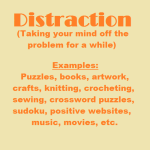
To keep your mind busy:

  • Memorize a poem
  • Write out lyrics to a favourite song
  • Pick a topic and research it
  • — Also can see how far off topic links take you
  • Sudoku puzzles
  • Math problems (stimulating, but not frustratingly hard)
  • Brainstorm potential recipes
  • — Unlimited budget and ingredients, set a budget, use a specific ingredient, etc.

If you need to keep your hands busy:

  • Knitting
  • Crochet
  • Embroidery
  • Make homemade bread
  • Try to make something you usually buy from scratch
  • Try a new recipe
  • Pull weeds
  • Garden
  • Clean **
  • Fold laundry **
  • Do household chores **
  • Origami
  • Organize a cluttered area **

** Unfuck Your Habitat may be a helpful resource: site, tumblr, Life Happens page, tips, Challenges (Unfuck Your Weekend, Mini, Full), etc. Note: Messiness is not a moral failing.

If you feel like drinking:

  • Listen to some of your favourite music (or music appropriate to mood)
  • Write out your feelings
  • Draw, paint, make art in some way.
  • Convert alcoholic drinks into non-alcoholic drinks (if applicable)
  • Color in a coloring book
  • Cuddle a stuffed animal
  • Snuggle under a warm blanket
  • Read a book (or fanfiction)
  • Watch a movie
  • Catch up on a tv series
  • Fix a favourite meal and drink

Online programs and other crafty things that can help to relieve stress: here, here, here, here, etc. More alternatives here and here. If a comfort box isn’t your thing, an alternatives jar might be.

yolucas:

taekookau-deactivated20160227:

heya so i thought i’d make a little help masterpost. (if you prefer a page there’s one here x)

ROUGH NIGHT? 

DEPRESSION/SELF-HARM/SUICIDE: 

ANXIETY & INSOMNIA: 

EATING DISORDERS: 

ABUSE & SEXUAL ABUSE: 

if you can think of other links to add or need help, message me anytime xx

lady-freak-beast:

vegetarian-monster:

agent-hardass:

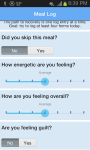
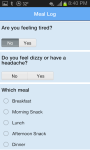
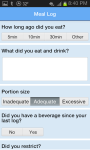
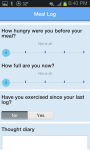
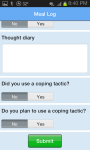
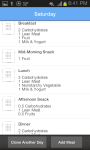
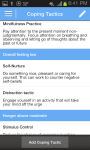
Recovery Record is the smart companion for managing your journey to recovery from eating disorders including anorexia nervosa, bulimia nervosa, obsessive eating disorder, binge eating disorder and compulsive eating disorder.

With Recovery Record you can:

– Keep a record of meals, thoughts and feelings 
– Access beautiful reflection images and affirmations
– Customize log questions, meal plans, coping tactics and recovery goals
– View charts that highlight insights, trends and progress
– Collect jigsaw pieces to earn hidden rewards
– Set personalized reminder schedules and alarm tones
– Complete questionnaires to track your progress
– Link with your treatment team 
– Receive in-the-moment feedback and messages from your treatment team
– Receive and send encouragement messages and virtual gifts to/from other users

Android

iTunes

Boosting this for followers or stumblers onto my blog.

I can’t help with 99% of eating disorder stuff because just thinking about it triggers crazytownbananapants for me, but this could really help some people.

Signal boost for all the girls and boys working with recovery.

opulentes:

ABUSE

Information

  • Love Is Respect (Digital Abuse)
  • Love Is Respect (Emotional/Verbal Abuse)
  • Love Is Respect (Financial Abuse)
  • Love Is Respect (Physical Abuse)
  • Love Is Respect (Sexual Abuse)
  • Love Is Respect (Stalking)
  • Help Guide

Coping

  • Caring for yourself
  • Domestic abuse

Chat Rooms 

  • Survivors Chat
  • Fort Refuge
  • Pandy’s

ADD/ADHD

Information

  • Help Guide
  • Attention Span Test
  • Attention Quiz
  • Concentration Quiz

Coping

  • Coping Tips for Attention Deficit Disorder
  • 12 Best Tips for Coping with ADHD
  • 50 Tips On The Management of Adult Attention Deficit

Medication

  • ADHD Medication Chart: Compare Drugs for ADD and ADHD
  • Drugs Used to Treat ADHD/ADD
  • ADD/ADHD Medications: Are ADHD Drugs Right for You
  • ADHD Medication Side Effects, Drug Types, Precautions

ADDICTION

Information

  • Help Guide (Alcohol & Drugs)
  • Half of Us (Alcohol & Drugs)

Coping and Recovery

  • Tools of Recovery: Addiction Coping Skills
  • 5 Ways to Deal With Urges and Cravings 
  • After Rehab: 5 Ways for Addicts to Cope
  • Addiction Recovery
  • Coping With Urges
  • Dealing With Cravings

ANGER

Coping

  • strategies to keep anger at bay
  • Anger management: 10 tips to tame your temper
  • Anger Management: Tips and Techniques
  • Feeling Angry
  • Controlling Anger — Before It Controls You
  • Dealing With Anger
  • How To Cope With Anger
  • Anger management: What works and what doesn’t
  • Ten Commandments of Anger Regulation

ANXIETY

Information

  • Anxiety Quiz
  • Social Anxiety Test
  • What are your stress triggers?
  • Coping Skills Quiz
  • Anxiety disorders explained
  • Help Guide (Anxiety Attacks & Anxiety Disorder)
  • Understanding and managing anxiety
  • learn more about anxiety
  • Anxiety Self-Assessment
  • Help Guide (General Anxiety Disorder)
  • Help Guide (Social Anxiety Disorder & Social Phobia)
  • Explanation of anxiety and self help tips 

Coping

  • a list of stress relievers
  • Identifying and Managing Anxiety
  • 11 Assorted Anxiety Tips for Anxiety Sufferers
  • How to work through feelings of isolation
  • Tips and tricks for dealing with anxiety
  • Anti-stress breathing tips
  • How to stay under control with severe social anxiety
  • Coping with social anxiety
  • Managing Stress
  • how to help a friend with anxiety
  • Help Guide (Therapy)
  • Half of Us
  • Job interviews and social anxiety
  • Dealing with anxiety
  • Coping with test anxiety
  • Tips for flying anxiety
  • Grounding techniques 
  • More grounding techniques 
  • Even more grounding techniques
  • Mindfulness
  • Belly breathing
  • Living with anxiety
  • Social anxiety disorder self help tips.
  • Coping with flashbacks
  • What anxious racing thoughts are like for me
  • Using a thought diary

Panic Attacks

  • How to handle panic attacks
  • Exploring and coping with panic attacks
  • 10 Rules for Coping with Anxiety and Panic
  • Tips to cope with panic attacks
  • Rules for coping with anxiety and panic
  • Understanding and coping with panic attacks
  • Understanding and helping panic attacks and panic disorders
  • Help Guide (Panic Attacks & Panic Disorder)
  • Coping with panic attacks workbook
  • Rules for coping with panic
  • Panic attack workbook 2

Interactives

  • Emotional baggage check
  • The Dawn Room
  • The quiet place
  • The thoughts room
  • Stress Analyst
  • cloudflowing
  • imagination
  • planetarium
  • weavesilk
  • calm
  • make sand art online
  • lifeinneon
  • dolldivine
  • barcinski-jeanjean
  • rainymood
  • do nothing for 2 minutes
  • stars
  • Muscle Relaxation
  • Mood chart

Medication

  • Help Guide (Anxiety Medicine)
  • Common Medications for Anxiety Disorders
  • Guidelines for Medication Use

Chat Rooms

  • HealthfulChat
  • Phobics Awareness 
  • Healing Well
  • Anxiety Space

BIPOLAR DISORDER

Information

  • Help Guide (Signs and Symptoms)
  • Half of Us
  • Bipolar Depression Quiz
  •  hypomania

Coping

  • Bipolar disorder and self-help
  • Living with bipolar disorder
  • How to deal with bipolar disorder without medication
  • 10 ways to cope with bipolar disorder
  • Coping skills
  • Help Guide (Self Help)
  • Bipolar Support tumblr

Medication

  • Help Guide (Bipolar Disorder Medication Guide)
  • Help Guide (Treatment)

Chat Rooms

  • HealthfulChat
  • Bipolar World
  • Healing Well

DEPRESSION

Information

  • depression information
  • Depression Infographic 
  • Help Guide (Depression: Signs, Symptoms, Causes & Help)
  • Help Guide (Teenage Depression: A Guide for Parents)
  • Half of Us
  • Depression Quiz

Coping

  • How to cope with depression
  • How to cope with depression 1
  • Natural depression treatments
  • Ways to deal with depression/stress
  • Tips to help overcome loneliness
  • 10 Tips on How to Work Through Feelings of Social Isolation
  • 8 Tips to Overcome Loneliness
  • Ways to deal with depression/stress
  • having a bad day?
  • Make a comfort box
  • 10 Things to Do When You Feel Like Crap
  • how to find a new normal in the middle of depression
  • you are not alone in the way you think you are
  • reasons to stay alive
  • how to stop trying to think yourself into happiness and actually arrive there
  • cheer me up
  • Help Guide (Dealing with Depression)
  • Help Guide (Helping Someone with Depression)

Medication

  • What to expect with antidepressants
  • Finding the right anti-depressant

Chat Room

  • HealthfulChat
  • Healing Well

EATING DISORDERS

Recovery

  • 281 Reasons to Recover
  • Eating Disorders and Emotional Eating Test
  • Relapse Prevention
  • Bloating, Indigestion, & Feeling too full
  • Why You Must Eat
  • Learning to Love Your Body
  • Tips to Stop Restricting
  • Dealing With Weight Gain
  • 10 Steps to Bulimia Recovery Workbook
  • Coping with Exercise Addiction
  • Tips to help with bulimia recovery
  • Help Guide (Emotional Eating)
  • Help Guide (Binge Eating)
  • Help Guide (Bulimia)
  • Help Guide (Helping Someone With an Eating Disorder)
  • Help Guide (Treatment and Recovery)
  • Stop Hating Your Body
  • Body Positive Zone
  • Self Care 101
  • self esteem
  • 30 day self esteem challenge
  • developing positive self esteem
  • learning-to-love-yourself
  • Something Fishy
  • Ways of coping with eating disordered behaviors
  • The addiction help center

FRIENDS WITH ILLNESS

  • How to deal/talk with bipolar and depressed people
  • What to do when your friend is talking about suicide
  • What to do if someone you know is overdosing
  • What to do if your friend is hurting themselves
  • How to help someone who is suicidal
  • here’s what you tell someone who wants to commit suicide
  • tips for looking after someone with depression
  • Friends with metal illness?
  • What to do when someone is suicidal
  • Help Guide (Helping Someone with Depression)

GENERAL RESOURCES

  • Feelings Wheel
  • PsychForums
  • Psych Central 
  • Lets Recover Together
  • How to find a Support Group 
  • DailyStrength

GRIEF AND LOSS

  • Help Guide (Coping with a Breakup or Divorce)
  • Help Guide (Coping with Grief & Loss)
  • Help Guide (Coping with Pet Loss)
  • Help Guide (Supporting a Grieving Person)
  • Help Guide (The Five Stages of Grief)

HOTLINES

  • Crisis Text Line: Text “SUPPORT” to 741741
  • Crisis Call Center Call 1-800-273-8255 (24/7) Text ANSWER to 839863 (24/7)
  • Thursday’s Child Call 1-800-872-5437 (24/7)
  • The Trevor Project Call 866-488-7386 (24/7)
  • National Safe Place Text SAFE and your current location to the number 69866
  • National Runaway Safeline Call 1-800-786-2929 (24/7)
  • National Domestic Violence Hotline Call 1-800-799-7233 (24/7) 

MEDITATION

  • Tips to Start Meditating
  • 8 Ways to Make Meditation Easy and Fun
  • 18 Minute Guided Meditation: Blissful Deep Relaxation
  • 1 Hour Universal Mind Meditation
  • Guided Meditation for Sleep and Good Dreams
  • Guided Meditation and Progressive Muscle Relaxation
  • Progressive Muscle Relaxation
  • Guided Relaxation
  • Foundations in Flow Yoga Class
  • Heart Opening 30min Yoga Class
  • 10min Shoulder Yoga Routine
  • 9min Yoga Breathing Exercise (Pranayama) 
  • Kundalini Yoga Breathing Exercises (3 min)
  • Yoga Poses

OCD

Information

  • Specific Symptoms of OCD
  • Distinguishing OCD From Other Conditions
  • The Course of Obsessive-Compulsive Disorder 
  •  How do Obsessive Compulsive People Think?

Coping and Treatment

  • Natural Treatment Options
  • Treatments for Obsessive-Compulsive Disorder (OCD)
  • Additional Treatment Options for OCD
  • Residential Treatment for OCD
  • Medications for Obsessive-Compulsive Disorder (OCD)
  • A New Relationship to Your Obsessions
  • How to Find Help for OCD
  • OCD: Exposure Therapy Versus Medication
  • Cognitive Therapy for OCD

Chat Rooms

  • HealthfulChat
  • OCD-UK

PERFECTIONISM

Information

  • Perfectionism Resources
  • Perfectionism – a double-edged sword
  • Type-A Personality Quiz
  • Perfectionism Test
  • Procrastination Test
  • Perfectionism: the road to failure
  • perfectionism and procrastination

Coping

  • How to Overcome Perfectionism
  • LEARN TO MANAGE PERFECTIONISM
  • How to Overcome Perfectionism & Procrastination
  • Perfectionism – Stress Management
  • 10 Steps To Conquer Perfectionism
  • perfectionists coping with failure

PTSD

Information

  • Help Guide (Traumatic Stress)
  • Help Guide (PTSD)
  • Help Guide (Emotional & Psychological Trauma)
  • Mental Help
  • PTSD Infographic
  • Understanding PTSD
  • What is PTSD?

Coping

  • Coping with flashbacks
  • Self Help Strategies for PTSD
  • Coping with Traumatic Stress Reactions 
  •  Post-Traumatic Stress – Self-help Guide
  • Understanding and Coping with PTSD
  • Coping with PTSD

SCHIZOPHRENIA

Information

  • Schizophrenia: What’s in my head?
  • Help Guide
  • schizophrenia
  • Symptoms of Schizophrenia
  • Types of Schizophrenia
  • Causes of Schizophrenia

Coping

  • Living with Schizophrenia
  • Coping With Schizophrenia 
  • Schizophrenia Coping and Recovery
  • Schizophrenia: Coping with Delusions and Hallucinations
  • Paranoid schizophrenia Coping and support

Treatment

  • An Introduction to the Treatment of Schizophrenia
  • Treatment of Schizophrenia
  • Drugs to Treat Schizophrenia
  • Common Drugs and Medications to Treat Schizophrenia
  • Treating Schizophrenia Successfully 

SELF-HARM

  • Cut something that’s not real skin
  • Half of Us
  • Help Guide
  • Recover Your Life
  • Self-Injury Outreach & Support
  • How to care for cuts
  • Resisting cutting
  • 25 ways to avoid self injury and prevent self harm
  • Tips to help stop cutting
  • 99 Coping Skills: Things to do Instead of Cutting
  • What to do when someone sees
  • How to fade/cover scars
  • Alternatives For Cutting 1
  • Alternatives For Cutting 2
  • Alternatives For Cutting 3
  • Alternatives For Cutting 4
  • Alternatives For Cutting 5

SELF-LOVE

  • how to stop putting yourself down
  • Self confidence
  • how to improve your self-esteem
  • How to be ok with yourself
  • tips on self-love
  • Confidence
  • Learn to love yourself
  • when told you are not pretty
  • emergency compliment
  • lessons for self-love

SUICIDE

  • Coping with Suicidal Thought
  • What to do when someone is suicidal
  • How to help someone who is suicidal
  • here’s what you tell someone who wants to commit suicide
  • Help Guide (Suicide Prevention)
  • Help Guide (Dealing with Suicidal Thoughts & Feelings)

THERAPY

  • how to get free therapy
  • Getting a Therapist – a brief step-by-step
  • Psychiatrist, Psychologist, Therapist or Counsellor?
  • 50 Signs of Good Therapy
  • 50 Warning Signs of Questionable Therapy