
The Bionic Mind: Building Brain Implants To Fight Depression, PTSD
The next step is much more sophisticated: a “closed-loop” system, with sensors in the brain, and feedback. So it can pick up when brain activity is going off course, try to correct it in real-time, and then tell whether the correction has worked.
If that sounds sort of like your phone’s GPS system, well, it is, says Dr. Emery Brown, an MIT computational neuroscientist who’ll be working on the algorithms for the brain implant.If you’re trying to get from Boston to Providence and you go off course, your GPS picks up your error and points you back to the right road, he says. With the brain implant, “If I see that your brain activity is starting to move back into that state indicative of you not feeling well, toward a depressed state or toward fears associated with PTSD, then I’m going to stimulate to correct that. It’s wholly analogous, and in fact, the paradigm really follows precisely the paradigm used to build GPS.”
First, though, scientists need to learn how to recognize which patterns of brain activity — which “neural signatures” — indicate depression and PTSD.
Tag: ptsd



Tips for helping your special needs child get through Independence Day
Independence Day is one of the most difficult days for children with special needs. Most special needs kids are either terrified of the sound, afraid of the flames, or don’t care for the extra people crowding the streets. If you are worried about your special needs child this Independence Day, these tips might be able to help you ensure that your little ones have a happy, fun, safe Fourth of July.
- Don’t force the issue. If your child doesn’t want to participate in the festivities, don’t force them to. This can cause all kinds of problems from meltdowns, over-excitement and agitation. It’s not worth the hassle just so that they can see a few cool explosions in the sky.
- If your child wants to participate in the fireworks but is still scared, take them to pick out their own that they feel comfortable. When you go, find someone that can assist you so that you can have them explain all the sounds, colors, and other things that they do. Each person that works at a fireworks stand has gotten a free show of everything so that they know what they do and can explain them to you.
- Create a safe space inside the house where they can see if they want that is away from all the flashing, popping, and loud sounds. If they know they have a place that they can go, sometimes it makes things easier on our special needs kiddos.
- Get earplugs! Don’t be cheap with them either. Loud sounds are the culprit of kids disliking firework displays. Choose a good brand that will mold to the shape of your kiddos ear for the best fit possible.
- Lastly, consider alternatives. Perhaps that is the best time for the family to go have their camping trip or do something else fun that the whole family can enjoy. Fireworks aren’t for everyone. There are a ton more fun ways that the whole family can enjoy the holiday and spend less money than a fireworks display that will be over in 20 minutes.
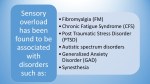
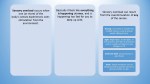
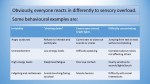
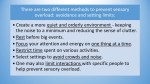
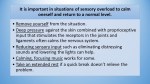
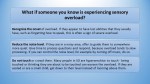
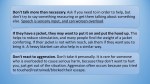
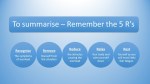
Sensory Overload and how to cope.
(click on images to zoom)
this is very good advice. being autistic, i’m susceptible to overload, and do my best to keep my environment restful so i’m better able to deal with the outside world when i need to, but sometimes shit happens. the number one thing i wish people knew about overload is: don’t get between me and the door. usually i catch it in time to politely excuse myself ‘for a cigarette’ but sometimes, like if i get cornered one of those people who stands too close and wears too much perfume and talks too loud and completely ignores disengagement signals, i can end up in a hurry to get away from the stimulus, and even a little panicky. so like… don’t block my path on my way out, okay?
also, don’t follow me outside and keep talking. don’t try to participate in my spindown. don’t demand reassurance every thirty seconds. don’t make it about you. i’ve got this. i don’t need your help. i just need you to stop making it worse.
Not every survivor remembers the date it happened. However, for the ones that do, these dates can be terrifying reminders of the past.
Personally, my traumaversary is Oct 29th. I started making plans for how to handle it 3 months in advance. Planning ahead, as far as you can, is probably a good thing to do.
Before Hand:
If you’re in college, talk to your professors. See if you can be excused from class that day, complete work due that day ahead of time, stuff like that.
If you’re able to, see if you can take off work that day, or if nothing else, just give a heads up to your boss that you may not be at your best.
Remove temptation. If you’re worried you may hurt yourself that day, go ahead and get rid of the things you could do so with. Even if it is only asking a friend to hold on to them until you’re feeling better. This is not a sign of weakness, it is not you being a burden. It is you realizing that it probably isn’t going to be a good day and you don’t want to relapse if you can help it. It is a big step, and I am super proud of you.
See if people are willing to check in with you. Whether it be a phone call, a text, a facebook chat, or coming to hang out with you- it is nice to know that people are going to be there for you on that day.
Prepare. Make food before hand or have things that can be mircrowaved, have ‘easy’ clothing sets ready, You may surprise yourself and that day be perfectly okay- but it’s better to have things on hand just in case.
Leave nice notes for yourself. Or have a friend help you. Especially if you think the day is going to be really rough. Having a note on the fridge, the bathroom mirror, the door… Little ‘remember, you can make it through this. I believe in you’ and various things can wonderful.
The Day of:
Be kind to yourself. It isn’t your fault if you’re upset or angry or spend all day crying. It isn’t your fault. There is nothing /wrong/ with you for reacting. You are a human being who has been through terrible trauma and anyone who judges you for how you heal is ignorant and cruel. There is also nothing wrong with you if the day goes perfectly well and you aren’t affected at all. It doesn’t mean that what happened wasn’t terrible. It just means you’re at a different place in your journey.Know that you’re in control. You’re allowed to be alone that day if you want. You’re allowed to surround yourself with friends. You’re allowed to go out in public. You’re allowed to stay at home. Do not feel like you have to do one thing or another. Your main concern on this day should be you. Even if you make plans, you’re allowed to change them. Just because you decide a week in advance that you’re going to do plan A doesn’t mean that you aren’t allowed to throw that to the wind and do something else on that day.
Memorialize it. Now this is a personal choice, not everyone -wants- to make their trauma dates into memorials and that is a-okay. But for a lot of us, it is about taking back that day and turning it into something new. Get a tattoo. Plant a tree. Go sky diving. Go to a theme park and ride roller coasters all day. Anything that you could look back on that date and go ‘I did it.’
Self Care. Take a day for self care. Watch terrible romantic comedies/sci-fi flicks/horror movies all day. Take a bubble bath. Spend time with friends who love you. Drink your favorite tea/coffee. Go to the humane shelter and pet dogs/cats. Whatever it is that you think would make you feel better? Do it.
Make something. Follow your own emotions with it. Paint. Draw. Sculpt. Even if you’ll later destroy it. Even if you finish it- you immediately rip it apart or set it on fire. At least you got it out of your system.
Give back. I know plenty of survivors who choose to spend their anniversaries volunteering in one way or another. Go through your closet and donate old clothes to a shelter that helps survivors. Make a care package with a letter to donate to a women’s shelter- pass on encouragement and advice.
Whatever you choose to do, in whatever combination- be easy on yourself. Take a moment every now and then to check in with yourself, and ask if you’re okay.
No matter what, I want you all to remember that I believe in you. You made it through the trauma, and you can make it through this. And I’m not saying that to silence your pain.
Your pain is valid. Your hurt is valid. You are valid.
Take care of yourself, okay?

opulentes:
ABUSE
Information
- Love Is Respect (Digital Abuse)
- Love Is Respect (Emotional/Verbal Abuse)
- Love Is Respect (Financial Abuse)
- Love Is Respect (Physical Abuse)
- Love Is Respect (Sexual Abuse)
- Love Is Respect (Stalking)
- Help Guide
Coping
- Caring for yourself
- Domestic abuse
Chat Rooms
- Survivors Chat
- Fort Refuge
- Pandy’s
ADD/ADHD
Information
- Help Guide
- Attention Span Test
- Attention Quiz
- Concentration Quiz
Coping
- Coping Tips for Attention Deficit Disorder
- 12 Best Tips for Coping with ADHD
- 50 Tips On The Management of Adult Attention Deficit
Medication
- ADHD Medication Chart: Compare Drugs for ADD and ADHD
- Drugs Used to Treat ADHD/ADD
- ADD/ADHD Medications: Are ADHD Drugs Right for You
- ADHD Medication Side Effects, Drug Types, Precautions
ADDICTION
Information
- Help Guide (Alcohol & Drugs)
- Half of Us (Alcohol & Drugs)
Coping and Recovery
- Tools of Recovery: Addiction Coping Skills
- 5 Ways to Deal With Urges and Cravings
- After Rehab: 5 Ways for Addicts to Cope
- Addiction Recovery
- Coping With Urges
- Dealing With Cravings
ANGER
Coping
- strategies to keep anger at bay
- Anger management: 10 tips to tame your temper
- Anger Management: Tips and Techniques
- Feeling Angry
- Controlling Anger — Before It Controls You
- Dealing With Anger
- How To Cope With Anger
- Anger management: What works and what doesn’t
- Ten Commandments of Anger Regulation
ANXIETY
Information
- Anxiety Quiz
- Social Anxiety Test
- What are your stress triggers?
- Coping Skills Quiz
- Anxiety disorders explained
- Help Guide (Anxiety Attacks & Anxiety Disorder)
- Understanding and managing anxiety
- learn more about anxiety
- Anxiety Self-Assessment
- Help Guide (General Anxiety Disorder)
- Help Guide (Social Anxiety Disorder & Social Phobia)
- Explanation of anxiety and self help tips
Coping
- a list of stress relievers
- Identifying and Managing Anxiety
- 11 Assorted Anxiety Tips for Anxiety Sufferers
- How to work through feelings of isolation
- Tips and tricks for dealing with anxiety
- Anti-stress breathing tips
- How to stay under control with severe social anxiety
- Coping with social anxiety
- Managing Stress
- how to help a friend with anxiety
- Help Guide (Therapy)
- Half of Us
- Job interviews and social anxiety
- Dealing with anxiety
- Coping with test anxiety
- Tips for flying anxiety
- Grounding techniques
- More grounding techniques
- Even more grounding techniques
- Mindfulness
- Belly breathing
- Living with anxiety
- Social anxiety disorder self help tips.
- Coping with flashbacks
- What anxious racing thoughts are like for me
- Using a thought diary
Panic Attacks
- How to handle panic attacks
- Exploring and coping with panic attacks
- 10 Rules for Coping with Anxiety and Panic
- Tips to cope with panic attacks
- Rules for coping with anxiety and panic
- Understanding and coping with panic attacks
- Understanding and helping panic attacks and panic disorders
- Help Guide (Panic Attacks & Panic Disorder)
- Coping with panic attacks workbook
- Rules for coping with panic
- Panic attack workbook 2
Interactives
- Emotional baggage check
- The Dawn Room
- The quiet place
- The thoughts room
- Stress Analyst
- cloudflowing
- imagination
- planetarium
- weavesilk
- calm
- make sand art online
- lifeinneon
- dolldivine
- barcinski-jeanjean
- rainymood
- do nothing for 2 minutes
- stars
- Muscle Relaxation
- Mood chart
Medication
- Help Guide (Anxiety Medicine)
- Common Medications for Anxiety Disorders
- Guidelines for Medication Use
Chat Rooms
- HealthfulChat
- Phobics Awareness
- Healing Well
- Anxiety Space
BIPOLAR DISORDER
Information
- Help Guide (Signs and Symptoms)
- Half of Us
- Bipolar Depression Quiz
- hypomania
Coping
- Bipolar disorder and self-help
- Living with bipolar disorder
- How to deal with bipolar disorder without medication
- 10 ways to cope with bipolar disorder
- Coping skills
- Help Guide (Self Help)
- Bipolar Support tumblr
Medication
- Help Guide (Bipolar Disorder Medication Guide)
- Help Guide (Treatment)
Chat Rooms
- HealthfulChat
- Bipolar World
- Healing Well
DEPRESSION
Information
- depression information
- Depression Infographic
- Help Guide (Depression: Signs, Symptoms, Causes & Help)
- Help Guide (Teenage Depression: A Guide for Parents)
- Half of Us
- Depression Quiz
Coping
- How to cope with depression
- How to cope with depression 1
- Natural depression treatments
- Ways to deal with depression/stress
- Tips to help overcome loneliness
- 10 Tips on How to Work Through Feelings of Social Isolation
- 8 Tips to Overcome Loneliness
- Ways to deal with depression/stress
- having a bad day?
- Make a comfort box
- 10 Things to Do When You Feel Like Crap
- how to find a new normal in the middle of depression
- you are not alone in the way you think you are
- reasons to stay alive
- how to stop trying to think yourself into happiness and actually arrive there
- cheer me up
- Help Guide (Dealing with Depression)
- Help Guide (Helping Someone with Depression)
Medication
- What to expect with antidepressants
- Finding the right anti-depressant
Chat Room
- HealthfulChat
- Healing Well
EATING DISORDERS
Recovery
- 281 Reasons to Recover
- Eating Disorders and Emotional Eating Test
- Relapse Prevention
- Bloating, Indigestion, & Feeling too full
- Why You Must Eat
- Learning to Love Your Body
- Tips to Stop Restricting
- Dealing With Weight Gain
- 10 Steps to Bulimia Recovery Workbook
- Coping with Exercise Addiction
- Tips to help with bulimia recovery
- Help Guide (Emotional Eating)
- Help Guide (Binge Eating)
- Help Guide (Bulimia)
- Help Guide (Helping Someone With an Eating Disorder)
- Help Guide (Treatment and Recovery)
- Stop Hating Your Body
- Body Positive Zone
- Self Care 101
- self esteem
- 30 day self esteem challenge
- developing positive self esteem
- learning-to-love-yourself
- Something Fishy
- Ways of coping with eating disordered behaviors
- The addiction help center
FRIENDS WITH ILLNESS
- How to deal/talk with bipolar and depressed people
- What to do when your friend is talking about suicide
- What to do if someone you know is overdosing
- What to do if your friend is hurting themselves
- How to help someone who is suicidal
- here’s what you tell someone who wants to commit suicide
- tips for looking after someone with depression
- Friends with metal illness?
- What to do when someone is suicidal
- Help Guide (Helping Someone with Depression)
GENERAL RESOURCES
- Feelings Wheel
- PsychForums
- Psych Central
- Lets Recover Together
- How to find a Support Group
- DailyStrength
GRIEF AND LOSS
- Help Guide (Coping with a Breakup or Divorce)
- Help Guide (Coping with Grief & Loss)
- Help Guide (Coping with Pet Loss)
- Help Guide (Supporting a Grieving Person)
- Help Guide (The Five Stages of Grief)
HOTLINES
- Crisis Text Line: Text “SUPPORT” to 741741
- Crisis Call Center Call 1-800-273-8255 (24/7) Text ANSWER to 839863 (24/7)
- Thursday’s Child Call 1-800-872-5437 (24/7)
- The Trevor Project Call 866-488-7386 (24/7)
- National Safe Place Text SAFE and your current location to the number 69866
- National Runaway Safeline Call 1-800-786-2929 (24/7)
- National Domestic Violence Hotline Call 1-800-799-7233 (24/7)
MEDITATION
- Tips to Start Meditating
- 8 Ways to Make Meditation Easy and Fun
- 18 Minute Guided Meditation: Blissful Deep Relaxation
- 1 Hour Universal Mind Meditation
- Guided Meditation for Sleep and Good Dreams
- Guided Meditation and Progressive Muscle Relaxation
- Progressive Muscle Relaxation
- Guided Relaxation
- Foundations in Flow Yoga Class
- Heart Opening 30min Yoga Class
- 10min Shoulder Yoga Routine
- 9min Yoga Breathing Exercise (Pranayama)
- Kundalini Yoga Breathing Exercises (3 min)
- Yoga Poses
OCD
Information
- Specific Symptoms of OCD
- Distinguishing OCD From Other Conditions
- The Course of Obsessive-Compulsive Disorder
- How do Obsessive Compulsive People Think?
Coping and Treatment
- Natural Treatment Options
- Treatments for Obsessive-Compulsive Disorder (OCD)
- Additional Treatment Options for OCD
- Residential Treatment for OCD
- Medications for Obsessive-Compulsive Disorder (OCD)
- A New Relationship to Your Obsessions
- How to Find Help for OCD
- OCD: Exposure Therapy Versus Medication
- Cognitive Therapy for OCD
Chat Rooms
- HealthfulChat
- OCD-UK
PERFECTIONISM
Information
- Perfectionism Resources
- Perfectionism – a double-edged sword
- Type-A Personality Quiz
- Perfectionism Test
- Procrastination Test
- Perfectionism: the road to failure
- perfectionism and procrastination
Coping
- How to Overcome Perfectionism
- LEARN TO MANAGE PERFECTIONISM
- How to Overcome Perfectionism & Procrastination
- Perfectionism – Stress Management
- 10 Steps To Conquer Perfectionism
- perfectionists coping with failure
PTSD
Information
- Help Guide (Traumatic Stress)
- Help Guide (PTSD)
- Help Guide (Emotional & Psychological Trauma)
- Mental Help
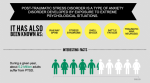
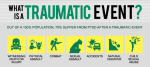
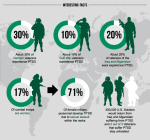
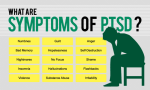
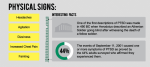
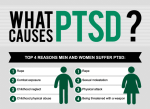
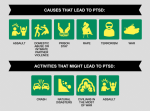
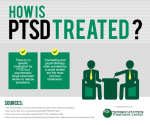
- PTSD Infographic
- Understanding PTSD
- What is PTSD?
Coping
- Coping with flashbacks
- Self Help Strategies for PTSD
- Coping with Traumatic Stress Reactions
- Post-Traumatic Stress – Self-help Guide
- Understanding and Coping with PTSD
- Coping with PTSD
SCHIZOPHRENIA
Information
- Schizophrenia: What’s in my head?
- Help Guide
- schizophrenia
- Symptoms of Schizophrenia
- Types of Schizophrenia
- Causes of Schizophrenia
Coping
- Living with Schizophrenia
- Coping With Schizophrenia
- Schizophrenia Coping and Recovery
- Schizophrenia: Coping with Delusions and Hallucinations
- Paranoid schizophrenia Coping and support
Treatment
- An Introduction to the Treatment of Schizophrenia
- Treatment of Schizophrenia
- Drugs to Treat Schizophrenia
- Common Drugs and Medications to Treat Schizophrenia
- Treating Schizophrenia Successfully
SELF-HARM
- Cut something that’s not real skin
- Half of Us
- Help Guide
- Recover Your Life
- Self-Injury Outreach & Support
- How to care for cuts
- Resisting cutting
- 25 ways to avoid self injury and prevent self harm
- Tips to help stop cutting
- 99 Coping Skills: Things to do Instead of Cutting
- What to do when someone sees
- How to fade/cover scars
- Alternatives For Cutting 1
- Alternatives For Cutting 2
- Alternatives For Cutting 3
- Alternatives For Cutting 4
- Alternatives For Cutting 5
SELF-LOVE
- how to stop putting yourself down
- Self confidence
- how to improve your self-esteem
- How to be ok with yourself
- tips on self-love
- Confidence
- Learn to love yourself
- when told you are not pretty
- emergency compliment
- lessons for self-love
SUICIDE
- Coping with Suicidal Thought
- What to do when someone is suicidal
- How to help someone who is suicidal
- here’s what you tell someone who wants to commit suicide
- Help Guide (Suicide Prevention)
- Help Guide (Dealing with Suicidal Thoughts & Feelings)
THERAPY
- how to get free therapy
- Getting a Therapist – a brief step-by-step
- Psychiatrist, Psychologist, Therapist or Counsellor?
- 50 Signs of Good Therapy
- 50 Warning Signs of Questionable Therapy
Coping with Flashbacks
Here are some helpful coping techniques for dealing with flashbacks when alone:
Memory Games
One of the easiest ways to cope or manage a flashback is by distraction. Try to remember something challenging such as the lyrics to a particular song, or a favourite poem. This can help interrupt the flashback by redirecting the activity in your brain. For some reason, memory games work well when I am having flashbacks that involved my hearing and balance. Some of the more effective memory games I have used are: humming songs or remembering the lyrics to songs & naming facts I learned in school.
Ice Cube
This has been my most important tool in dealing with physically oriented flashbacks. The technique was actually taught to me by a Viet Nam Veteran who said he used it for every single flashback, adding “usually it helps, but sometimes it can’t.” I have found it to be effective to some degree almost every time I have tried it. The idea is simple, take a fairly large ice cube and hold it tight in one of your hands throughout the flashback. The cold feeling keeps that part of you grounded to some degree and the physical sensation gives you something solid to focus on besides the memory you are reliving. It is important to hold the ice cube fairly tight and in the same hand for the duration of the flashback. I experimented with switching hands and holding it lightly and the technique lost much of its effectiveness.
Wall Spotting
This technique involves selecting 4 or 5 brightly coloured items in the room that are easily within vision and moving your focus between them. Make sure to vary the order and allow yourself to lock onto the items briefly before shifting to the next item. Keep this up throughout the flashback and continue for a short time afterwards. Following the same pattern can actually cause you to become more involved in the flashback because your mind becomes used to the pattern and builds on it. By varying the pattern, you disrupt the thought processes involved in the flashback. I suggest continuing the eye movements for a while after the flashback ends to allow yourself to get more focused on the present since I use this technique mostly for flashbacks with a visual element.
Cold Water on Your Face
This one is simple and can help with any type of flashback. This idea is one of the first ones any of us find that helps. Remember that it can continue to help. Try and use water cold enough to give yourself a good shock. There is a bit more evidence on why this works, it is called the “Mammalian Diving Reflex” or simply the “Diving Reflex” and relies on the fact that our bodies want to survive. Sudden immersion in very cold water (below 70 degrees) triggers the Diving Reflex. The body reacts by lowering the heart rate, increasing blood pressure, and shutting down circulation to all but the body’s core. The result is a lowered metabolism that conserves energy, which helps cold water survival. This is also why near-drowning victims in cold water have a much higher survival rate. The effect on a flashback is fairly drastic. In short, the brain is shocked and interrupts the flashback to survive what may be a life-threatening immersion in freezing water. For this reason, make sure you use the coldest water available and use a good amount of it.
Source: http://www.mental-health-matters.com/component/content/article/104?start=1
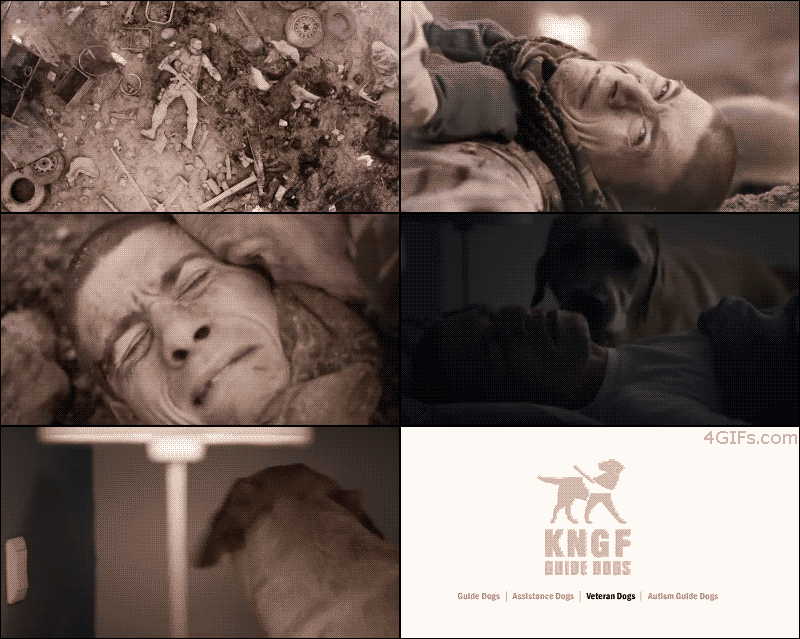
There was a split second there where his like, “wait, what? bro what are you doing?”
On more serious note, PTSD dogs for veterans are so fucking therapeutic. They’re like the one person you can spill your guts to and never worry about ever being judged or have that secret divulged. There are times when I definitely prefer the company of a dog over a human.
Therapy animals save lives.
These dogs are even still so much more amazing. They check rooms before their handler enters, so they can clear it to help the person feel safe. Like in the gif, they are there when panic attacks or nightmares occur, to be something for the person to help ground themselves on, or yes just to turn on the lights. Even more amazing, many people are able to reduce their medication when they have a PTSD service dog there to help them. These dogs are useful for not just veterans, but also victims of abuse, accident trauma, natural disasters, and others. Their training allows them to be useful in situations where medical assistance is needed, as well. Some PTSD dogs are trained to recognize repetitive behaviours in handlers, and signal the handler to break the repetition and stopping the behaviour and possibly injury.
Service dogs in general are just awesome. Remember to respect any that you see out in public. They are not there for you to walk up to and play with, even the puppies!
 Holding the Bowl