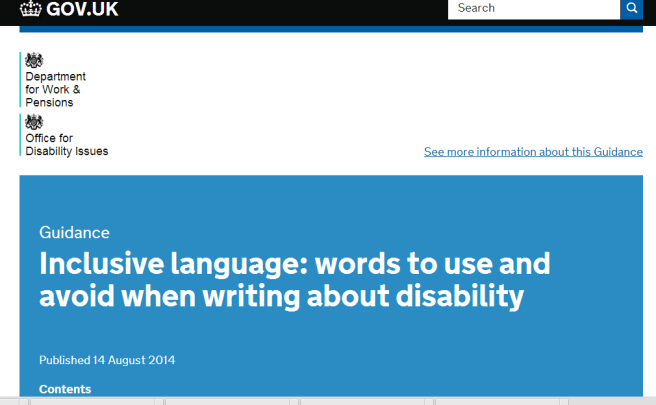
The UK Government has issued some new guidance “aimed at anyone who needs to communicate with or write about disabled people and disabilities.”, it is based on the social model of disability which is preferred by most activists in the UK:
Consider these guidelines when communicating with or about disabled people.
Language guidelines
Not everyone will agree on everything but there is general agreement on some basic guidelines.
Collective terms and labels
The word ‘disabled’ is a description not a group of people. Use ‘disabled people’ not ‘the disabled’ as the collective term.
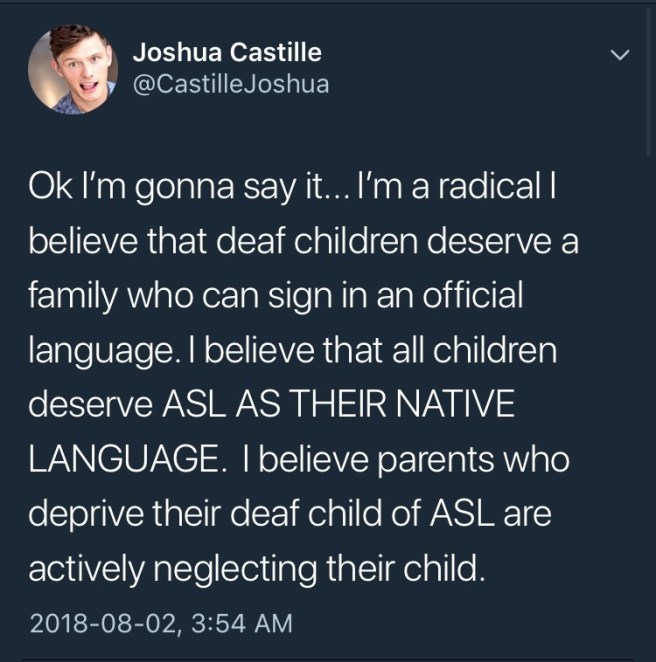
However, many deaf people whose first language is BSL consider themselves part of ‘the deaf community’ – they may describe themselves as ‘Deaf’, with a capital D, to emphasise their deaf identity.
Avoid medical labels. They say little about people as individuals and tend to reinforce stereotypes of disabled people as ‘patients’ or unwell.
Don’t automatically refer to ‘disabled people’ in all communications – many people who need disability benefits and services don’t identify with this term. Consider using ‘people with health conditions or impairments’ if it seems more appropriate.
Positive not negative
Avoid phrases like ‘suffers from’ which suggest discomfort, constant pain and a sense of hopelessness.
Wheelchair users may not view themselves as ‘confined to’ a wheelchair – try thinking of it as a mobility aid instead.
Everyday phrases
Most disabled people are comfortable with the words used to describe daily living. People who use wheelchairs ‘go for walks’ and people with visual impairments may be very pleased – or not – ‘to see you’. An impairment may just mean that some things are done in a different way.
Common phrases that may associate impairments with negative things should be avoided, for example ‘deaf to our pleas’ or ‘blind drunk’.
Words to use and avoid
Avoid passive, victim words. Use language that respects disabled people as active individuals with control over their own lives.
Avoid
handicapped, the disabled
afflicted by, suffers from, victim of
confined to a wheelchair, wheelchair-bound
mentally handicapped, mentally defective, retarded, subnormal
cripple, invalid
spastic
able-bodied
mental patient, insane, mad
deaf and dumb; deaf mute
the blind
an epileptic, diabetic, depressive, and so on
dwarf; midget
fits, spells, attacks
Use
disabled (people)
has [name of condition or impairment]
wheelchair user
with a learning disability (singular) with learning disabilities (plural)
disabled person
person with cerebral palsy
non-disabled
person with a mental health condition
deaf, user of British Sign Language (BSL), person with a hearing impairment
people with visual impairments; blind people; blind and partially sighted people
person with epilepsy, diabetes, depression or someone who has epilepsy, diabetes, depression
someone with restricted growth or short stature
seizures
Some tips on behaviour
- use a normal tone of voice, don’t patronise or talk down
- don’t be too precious or too politically correct – being super-sensitive to the right and wrong language and depictions will stop you doing anything
- never attempt to speak or finish a sentence for the person you are talking to
- address disabled people in the same way as you talk to everyone else
- speak directly to a disabled person, even if they have an interpreter or companion with them
Source https://www.gov.uk/government/publications/words-to-use-and-avoid-when-writing-about-disability/inclusive-language-words-to-use-and-avoid-when-writing-about-disability















 Holding the Bowl