1863-project:

therothwoman:

aegipanomnicorn:

calderonbeta:

Nothing about us without us. 

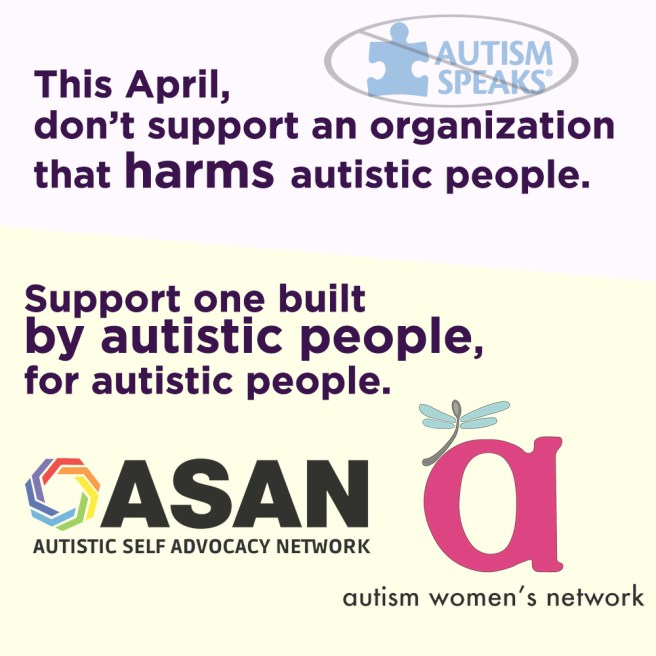
Image description:
[pale purple and yellow background with dark text]
This April, don’t support an organization that harms autistic people.
[crossed out logo for Autism Speaks]
Support one built by autistic people, for autistic people.
[logos for the Autistic Self Advocacy Network and the Autism Women’s Network]

Reblogging to spread the word, cause evidence shows that Autism $peaks are classic horror movie villains.

Reblogging because I’ve always wondered who to support instead of AS.

To every friend of mine who reblogs this, thank you. It means I can trust you. ❤

dharmagun:

spoopyredpanda:

marauders4evr:

marauders4evr:

marauders4evr:

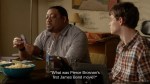
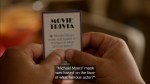
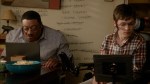
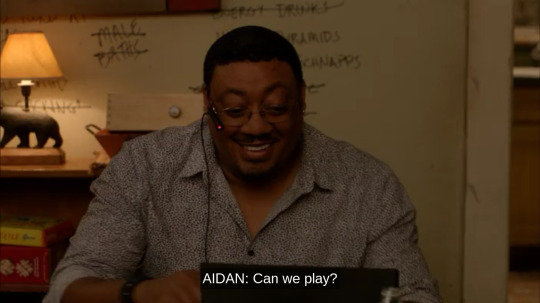
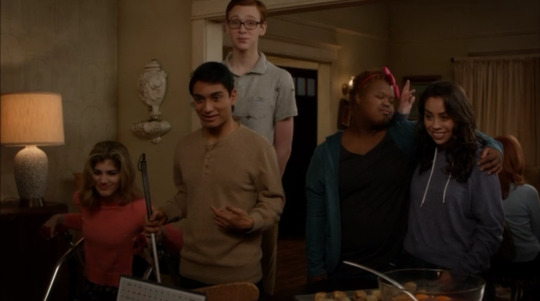
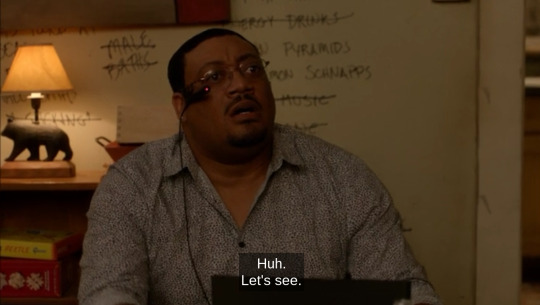
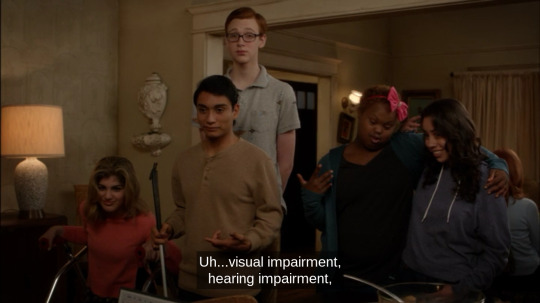
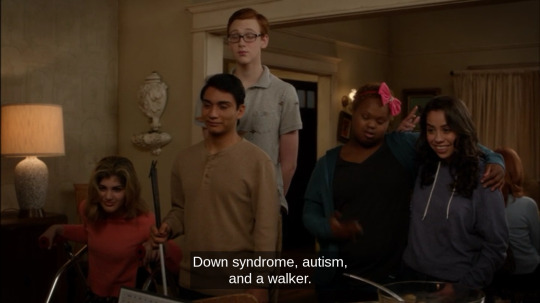
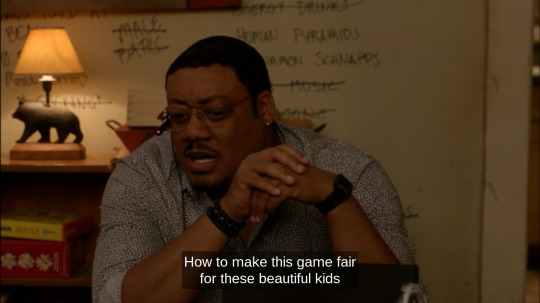
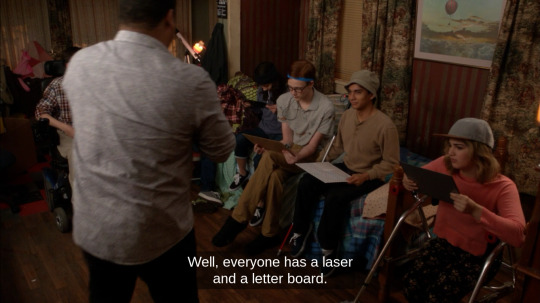
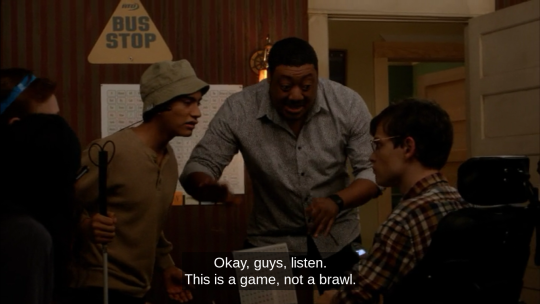
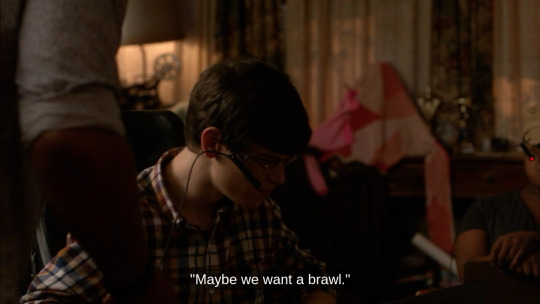
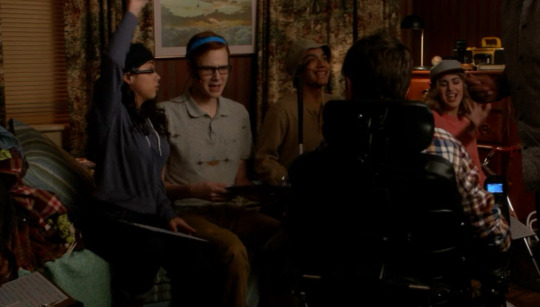
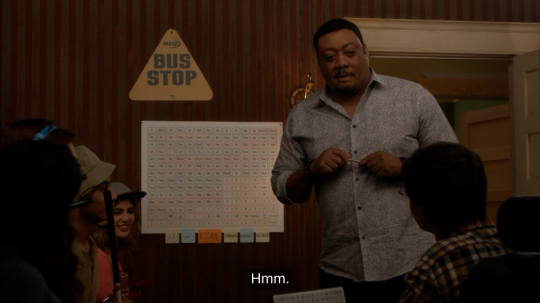
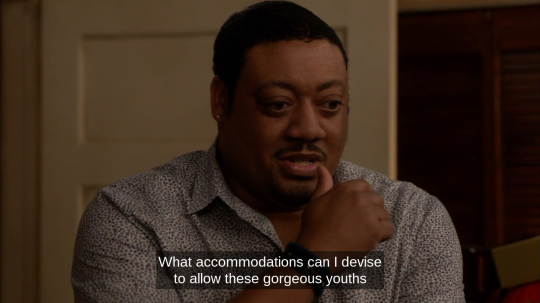
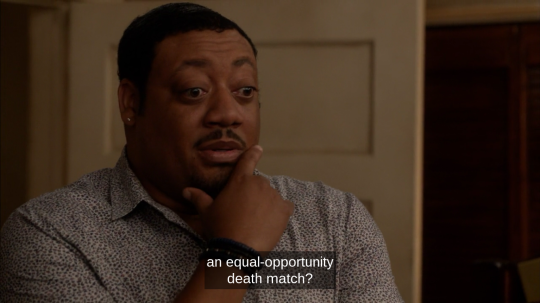
THIS SHOW IS SO PURE!

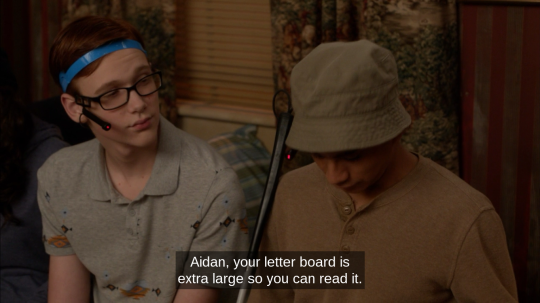
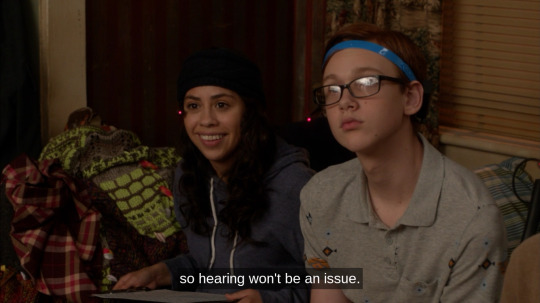
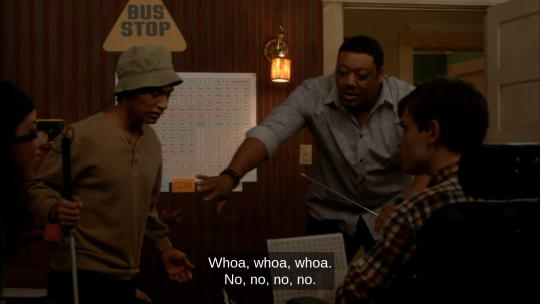
It’s worth noting that Kenneth spent the entire episode making the game (and the subsequent fight) as inclusive as possible for JJ and his disabled friends (all of whom were played by disabled actors/actresses).

BONUS:

Bonus #2

Of course I had to show the best part:

What show is this?

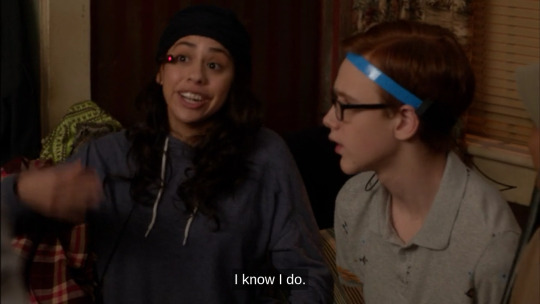
“i know i do”

8 Things Autistic People Want You To Know

autisticliving:

autisticliving:

1. Autism is a fundamental part of who we are and how we experience the world and it cannot be separated from who we are as people. Autism is not something which is clearly separated from our identities and our personalities – it’s something which affects every aspect of how we think about, experience and interact with the world around us. Autism isn’t something we have or something we’re suffering from, it’s something we are. For the vast majority of autistic people, autism is a part of our identity which means that despite common belief most of us prefer to be called “autistic” as opposed to “people with autism.” 

Do not tell us that we only have value if we can separate our identities and our personalities from autism.

2. The vast majority of autistic people do not want a cure, we want acceptance and accommodations. Do not put your time and money into researching how to cure autism and how to prevent it, put time and money into accommodating and accepting autistic people. We do not wish to become neurotypical, we wish to change society so that we can be accommodated, accepted and included as autistic people. Our goal isn’t to become as close to neurotypical as possible, it is to get the opportunity to live happy, fulfilling lives as autistic people. It is society that needs to chance, not us.

3. We do not support Autism Speaks or their campaign #LightItUpBlue and neither should you. If you want to support autistic people, check out ASAN or Autism Women’s Network instead. If you don’t know why autistic people don’t support Autism Speaks, check out the many resources linked in this post.

4. Functioning labels are at best inaccurate and at worst actively harmful. 

Functioning labels (claiming that some autistic people are “high-functioning” while others are “low-functioning”) do more harm than good, not just because they aren’t able to give you an accurate impression of what supports an individual autistic person needs but because they’re mainly used to either silence or invalidate autistic people. Autistic people who speak up about the issues concerning them are labelled “high-functioning” to invalidate what they have to say as being inaccurate and irrelevant for other autistic people and so-called “low-functioning” autistic people are being silenced and spoken over because they are written off as too ‘low-functioning’ to have nuanced, relevant opinions or even communicate at all. Instead of forcing autistic people into one of two boxes, name the specific issues or strengths that you are referring to when you’re calling them low-functioning or high-functioning. Are they non-verbal? Say that instead of calling them low-functioning. Are they able to manage a job? Say that instead of calling them high-functioning.

5. Non-verbal autistic people can and do learn to communicate using other communication forms than verbal speech and they’re all individuals with their own thoughts, feelings, wants and opinions. You do not get to speak on behalf of non-verbal autistic people. You do not get to assume that you know exactly what they think, want and feel, especially not when you have never made any effort to communicate with any of them. Instead of assuming that you know what non-verbal autistic people think and feel, try listening to what they have to say by reading the words of some non-verbal autistic people such as @lysikan or Amy Sequenzia or Emma Zurcher-Long.

6. Applied Behavior Analysis, the most widespread and well-known therapy for autistic children, does more harm than good. The goal of ABA therapy is to train and force autistic people into hiding their autistic traits by all means possible as if passing for neurotypical should be the goal of all autistic people regardless of what consequences it might have for their general well-being and their mental health. If you don’t see why that is a problem, check out this masterpost by @neurowonderful.  

7. People diagnosed with Aspergers Syndrome are just as autistic as people diagnosed with other variants of Autism Spectrum Disorder.

Aspergers is autism and to emphasize this, aspergers and other variants of autism have been united under a broader diagnosis called “autism spectrum disorder” in the DSM-5, Back when aspergers was a separate diagnosis, the only difference between whether you got diagnosed with aspergers or autism was whether you spoke before you were three years old – something which says approximately nothing about your struggles and abilities later in life.  The common misconception that aspergers and autism is two different things is just that – a misconception.

8. If you want to learn more about autism, listen to autistic people – not our parents, our siblings, our therapists our or caregivers. Autistic people are the ones who know the most about being autistic, so if you want to learn about autism we’re the ones you should ask. If you want to learn more about the different aspects of autism, @neurowonderful‘s youtube series Ask An Autistic” is a good place to start. Here is an index over all the episodes so that you can easily find the topic you want to learn about. 

You can also visit @askanautistic where autistic people are ready to answer whatever questions you may have about autism.  

Please reblog this post. It’s time tumblr starts listening to autistic people.

I’m asking you to reblog this because I want this to go vital. I don’t just want this to be passed around inside tumblrs autistic community where we already know about and agree with all of the above statements. I want this to end up on the dashes of people who don’t know anything about autism, who haven’t thought twice about autism and autistic people during their time on tumblr – and that can only happen if you help me out. 

ndgirlfriends:

Girls who use mobility aids deserve support and kindness! No one is too young to use a cane, wheelchair, crutches, or any other sort of aid that helps with day to day living. Assuming someone is too young or “just trying to get attention” is completely ignorant and actively harms disabled people. Disabled girls are allowed to like, enjoy, and find their mobility aids cute without others shaming them or passing judgments. Being disabled isn’t a bad thing and isn’t something only the elderly experience.

People with disabilities finally get a way to save money

pacificnorthwestdoodles:

NEW YORK — Justin Bainbridge is 27 and works two jobs, but he wasn’t
allowed to start saving money for his future until a few months ago.

Bainbridge
has Down syndrome, and like other people with disabilities who receive
government benefits, he can’t have more than $2,000 in savings. If he
does, he would start to lose those much-needed benefits. But a new type
of savings vehicle is giving Bainbridge, and others, a chance to save
more cash.

Known as ABLE accounts, they let people with
disabilities and their families save up to $14,000 a year without losing
benefits. The accounts, which were made possible by a law signed two
years ago, are operated by individual states and are similar to 529
college savings plans. So far, 16 states offer the plans and about 10
more are expected to do so this year. Most of the states let
non-residents sign up. Each state has different rules or maintenance
fees, with some charging as much as $15 every three months.

Disability
advocates say the accounts are badly needed, since people with
disabilities were forced to spend extra money to avoid losing benefits.
With ABLE accounts, money saved can be used to buy anything that helps
the life of the person with a disability, such as rent payments, school
tuition or groceries.

“I’m saving for a new couch,” says Bainbridge, who shares a two-bedroom apartment in Omaha, Nebraska, with a friend.

Since
June, he has put away more than $1,800 in an Enable account, the ABLE
program run by Nebraska. He makes about $5,200 a year from his part-time
jobs, one folding towels at a gym and another collecting movie tickets
at a theater. But he still needs his monthly Supplemental Security
Income cash benefit to help pay his rent and live independently, says
his mother, Kim Bainbridge, who also stashes away money for him in the
ABLE account.

For
years, disability advocates have tried unsuccessfully to increase the
$2,000 savings limit, which hasn’t been changed in nearly three decades.

“It
kind of shackles you to a life of poverty,” says Christopher Rodriguez,
a senior public policy adviser at the National Disability Institute in
Washington.

The idea for ABLE accounts came about a decade ago
from parents of kids with disabilities who were frustrated that they
could not easily save money for their children. One of those parents,
Stephen Beck Jr., spent years advocating and lobbying for a law. Beck
unexpectedly passed away in 2014, just a few weeks before President
Barack Obama signed it into law. To honor Beck, the law was named The
Stephen Beck Jr. Achieving a Better Life Experience Act.

His
widow, Catherine Beck, is using an ABLE account to put away money for
their 17-year-old daughter Natalie, who has Down syndrome and wants to
go to cosmetology school to work at a nail salon. The Becks were able to
easily save money for their eldest daughter, who does not have a
disability. But for Natalie, they had to create a special-needs trust
that required hiring a pricey lawyer to set up.

“Her savings has not grown like her sister’s has,” says Catherine Beck, who lives in Burke, Virginia.

To
qualify for an ABLE account, the account owner must have had a
disability before their 26th birthday. Anyone can put money in it, such
as family or friends. If the account goes above $100,000, the person
with the disability will lose monthly government cash benefits until it
drops below that level again. Medicaid health benefits are never
affected, no matter how much money is saved. Money can be invested in
index funds and earnings are not taxed.

“For the first time a lot
of individuals will be able to work, save money and get some growth out
of it,” says Adam Beck, director of MassMutual Center For Special Needs
at The American College in Bryn Mawr, Pa.

When
the person with a disability dies, Medicaid can claim any leftover
money as payback for health care paid after the ABLE account was opened.
Since each state has different rules and fees, the ABLE National
Resource website has a tool that compares the programs.

Matthew
Shapiro, who lives in Richmond, Va., and works to promote the state’s
ABLE program called ABLEnow, says finally being able to have some
savings helped reduce his money worries. The 26-year-old, who has
cerebral palsy, uses a power wheelchair to get around and unexpected
repairs can be costly. He travels sometimes for his business, 6 Wheels
Consulting, which helps educate companies and organizations on
disability issues.

“Being a person with a disability is expensive,” says Shapiro. “These accounts are so much needed.”

People with disabilities finally get a way to save money

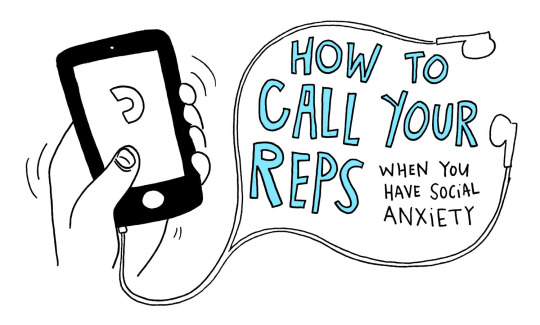
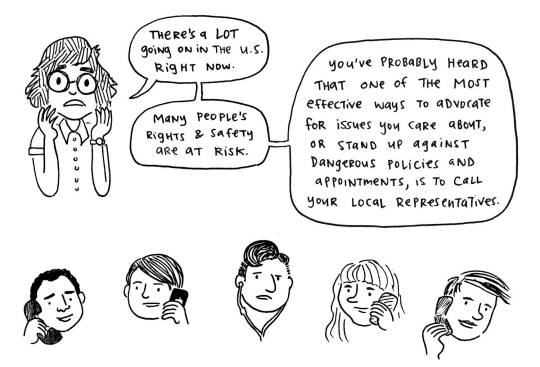
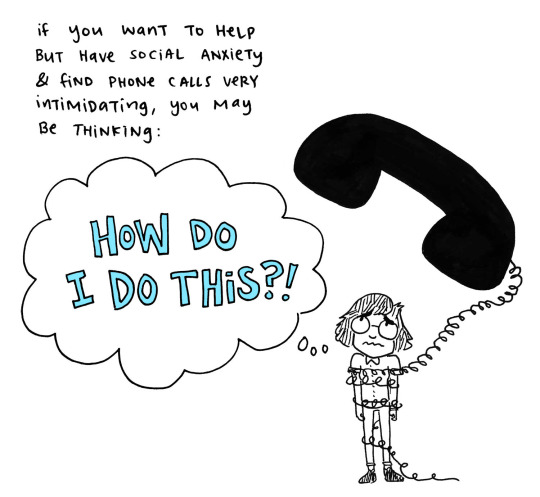
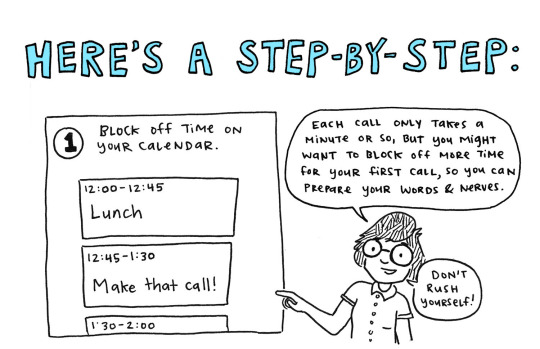
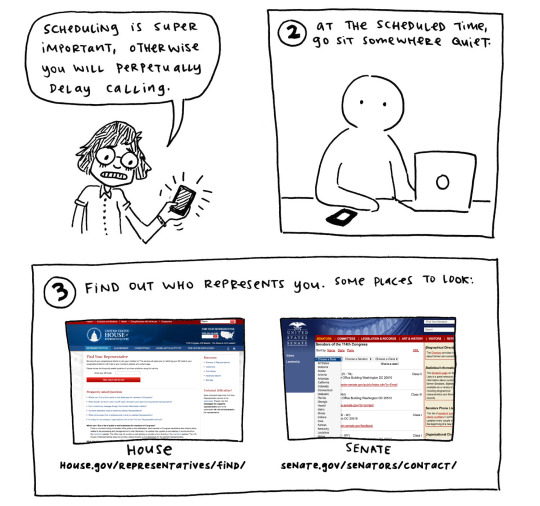
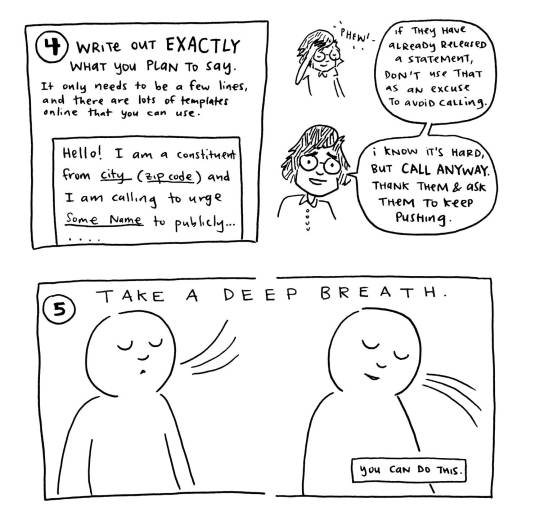
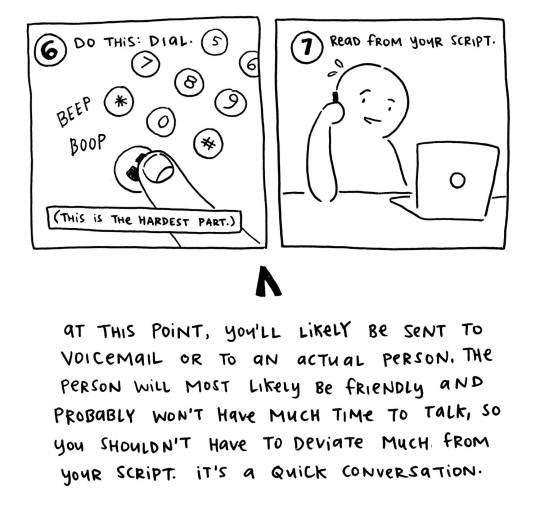
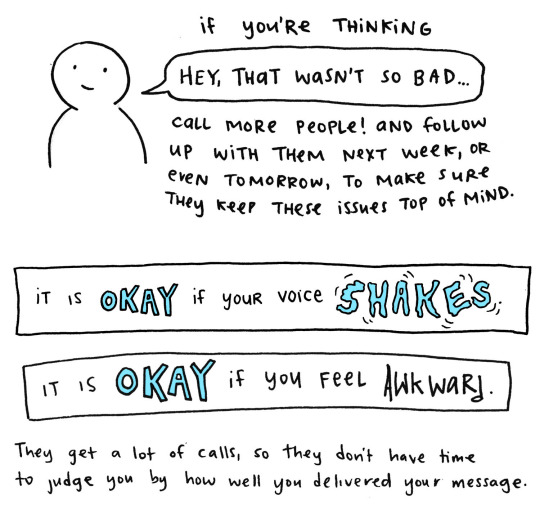
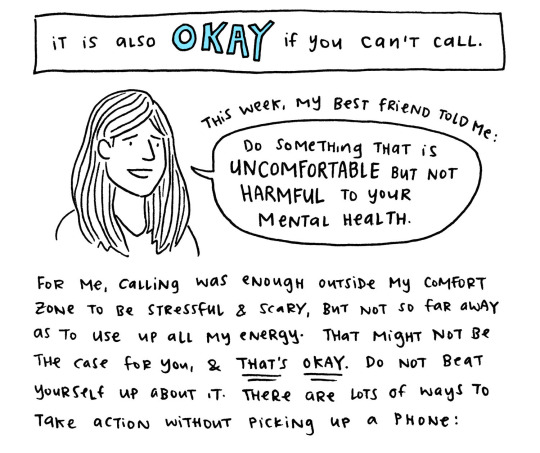
How to call your reps when you have social anxiety

postitforward:

echothroughthefog:

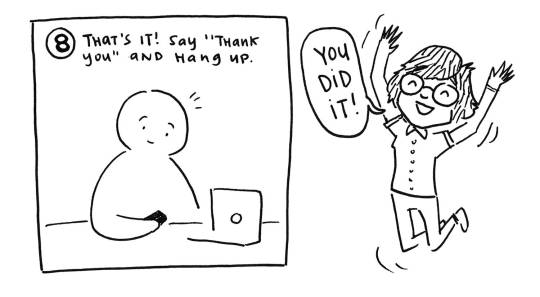
When you struggle with your mental health on a daily basis, it can be hard to take action on the things that matter most to you. The mental barriers anxiety creates often appear insurmountable. But sometimes, when you really need to, you can break those barriers down. This week, with encouragement from some great people on the internet, I pushed against my anxiety and made some calls to members of our government. Here’s a comic about how you can do that, too. (Resources and transcript below.)

Motivational resources:
There are a lot! Here are a few I really like:

  • Emily Ellsworth explains why calling is the most effective way to reach your congressperson.
  • Sharon Wong posted a great series of tweets that helped me manage my phone anxiety and make some calls.
  • Kelsey is tweeting pretty much daily with advice and reminders about calling representatives. I found this tweet an especially great reminder that calls aren’t nearly as big a deal as anxiety makes them out to be.

Informational resources:
There are a lot of these, as well! These three are good places to start:

Keep reading

You can also send a fax for free to your Senators! 

butterflyinthewell:

whatshappeningtothekids:

Autism Symptoms Improve After Fecal Transplant: Small Study

Children with autism
may benefit from fecal transplants – a method of introducing donated
healthy microbes into people with gastrointestinal disease to rebalance
the gut, a new study has found.

Behavioral symptoms of autism and gastrointestinal distress often go
hand-in-hand, and both improved when a small group of children with the
disorder underwent fecal transplant and subsequent treatment.

In the study of 18 children with autism and moderate to severe
gastrointestinal problems, parents and doctors said they saw positive
changes that lasted at least eight weeks after the treatment. Children
without autism were included for comparison of bacterial and viral gut
composition prior to the study.

“Transplants are working for people with other gastrointestinal
problems. And, with autism, gastrointestinal symptoms are often severe,
so we thought this could be potentially valuable,” said Ann Gregory, one
of the study’s lead authors and a microbiology graduate student at The
Ohio State University.

“Following treatment, we found a positive change in GI symptoms and neurological symptoms overall,” she said.

The study, which appears in the journal Microbiome, was
conducted while Gregory and her adviser and co-author, Matthew Sullivan,
were at the University of Arizona. Other lead researchers on the
project are from Arizona State University and Northern Arizona
University.

The study will appear in Microbiome during the week of January 23, 2017.

The reason “problem” behaviors lessened or stopped is the autistic people weren’t experiencing tummy discomfort. A gassy, upset or crampy stomach can make it hard to tolerate other stimuli.

Imagine having a fan in your room that’s really loud and grating, but you have to deal with it because you can’t afford a new one. You have to blast your TV to hear it, you plug your free ear while talking on the phone and it’s hard to get the little nuances of music with the constant buzzing or droning noises in the background.

Then one day your friend comes over and takes the fan apart, cleans all the moving parts, oils them up and puts it back together. No more grating noise, it’s just a quiet hum again.

You can listen to your TV at a comfortable volume again. You can relax while on the phone. You can study all the little nuances in the music you listen to. No more distracting “background process” is vying for your attention.

That’s what resolving gut problems does for autistic people.