This is not a joke. I was at a premier showing tonight, and my immediate thought was how disasterously unsafe this movie is for my photosensitive epilepic friends. @markingatlightspeed I’m tagging you with this specifically because this would be extremely dangerous for you to watch.
There are multiple scenes in this movie with full-screen, black-and-white flashing strobe effects. They all happen without warning, and last anywhere between a few seconds to more than two minutes. In a darkened movie theater, this means the likelihood of a seizure could be VERY HIGH if you are sensitive to these effects.
If you have photosensitive epilepsy or another disorder that is triggered by strobe lights, I would highly recommend you DO NOT SEE THE INCREDIBLES 2 IN THEATERS. Wait until the movie’s released on digital/Bluray, and you can watch it in a fully-lit room, with someone with you who will be able to help if the strobe effects do trigger a seizure.
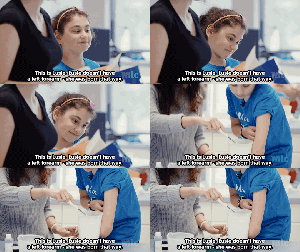
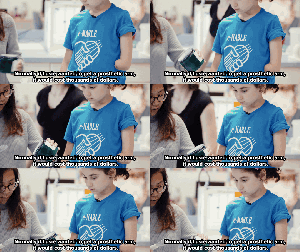
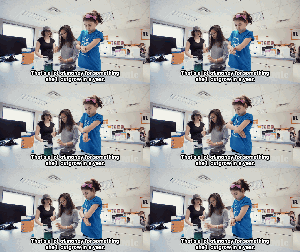
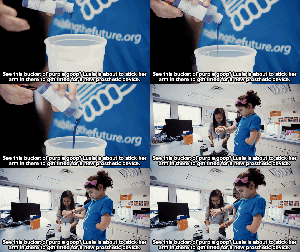
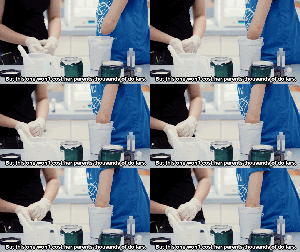
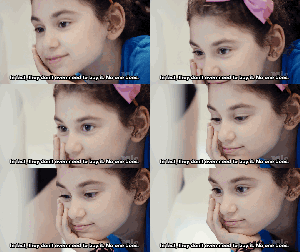
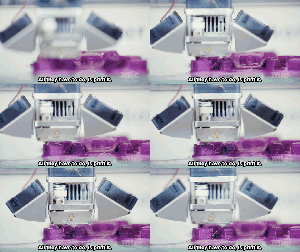
this seven year old girl got half an arm (just like lusie in the gifs) 3d printed and it only cost $50
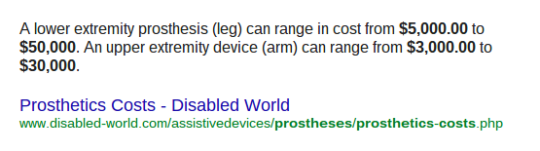
can we just compare that with the average price of buying a prosthetic
3d printing is gonna help so many people holy crap
No no no, guys, this gif set leaves out the literal best stuff from the video.
So a few years back, this guy who accidentally cut off his fingers, teamed up with a special effects artist/puppeteer and created a 3D printable prosthetic hand, that used the movement of the wearer to be able to grab things. The guys who did this said they were just going to post the schematics online, which in turn lead to creating a network of people with 3D printers, who were willing to print prosthetics for people. The network of volunteers, turned into an organization that gives prosthetic arms/hands to kids who need them. They have science types improving the designs and creating new ones, they got a grant from Google, classrooms and scout troops are getting involved and making prosthetic hands for people.
Everything about this is amazing.
It’s stuff like this that makes technology awesome :’)
Today’s adults juggle caring for aging parents and children while working full-time. Oneva makes finding trusted in-home care easy with our platform to find, book, and pay high-quality caregivers as an employee benefit. Last year, we finished a year-long pilot at Microsoft. As a result, several other large Fortune 100 companies, plus the Finnish and Japanese governments, showed interest in Oneva. Now that we built our tech, we’re ready to close contracts on companies in our pipeline. – Anita Gardyne CEO AND CO-FOUNDER, ONEVA
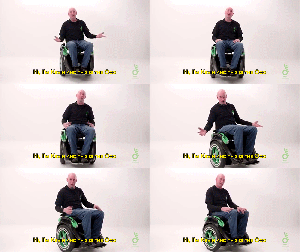
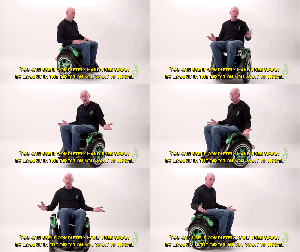
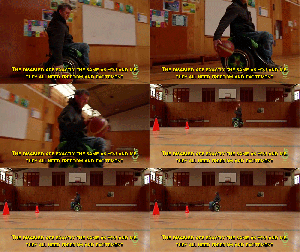
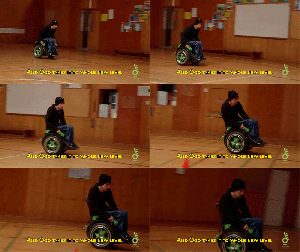
In addition to being a much more practical use of Segway tech, this thing also looks as nifty as a wheelchair ought to. Most of them look like they were designed by the Soviet Bureau of Things That Are No Fucking Fun.
For the uninformed, functioning labels are terms like high functioning autism, low functioning autism, mild autism, severe autism. Other words like moderate or level 1, level 2, etc may be used too.
Functioning labels are extremely offensive because they’re placed on autistic people based on observation from the outside. This is problematic for three reasons.
Functioning labels determine how autistic people are treated. People associate “low functioning/severe” with incompetence or infancy and they end up treating the autistic person like a pet or a baby. High functioning/mild gets stereotyped as people who are just a little quirky and their difficulties get ignored as laziness or intentional stubbornness.
Functioning labels imply brokenness and treat people as if their intrinsic value is determined by what they contribute to society rather than the fact that they are a living being with oxygen in their lungs and blood in their veins like everybody else.
Functioning labels create a dichotomy as if there are differing “levels” of autism or that people exist on different areas of the spectrum. NO, NO, NO, that’s not how it is.
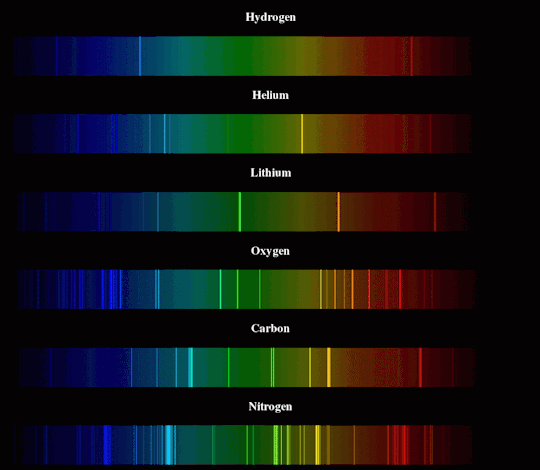
Think of spectroscopy and how the elements create their own signature color lines. Now put peoples’ names in place of the elements: Hydrogen/Harold, Helium/Henry, Lithium/Luke, Oxygen/Olga, Carbon/Carol, Nitrogen/Nadine.
Autism is like that. We’re all on the same spectrum and all that is unique is how we display our symptoms, our sensory issues, our splinter abilities and so forth.
In light of that, I want to change the language. Let’s start pushing for support levels instead of functioning labels.
High support: Anyone who isn’t able to live independently and needs help with some or all of their basic daily living skills such as eating, bathing, basic grooming, putting on makeup, getting dressed and completing tasks. Can be abbreviated online or in writing as HSP for High Support Person or HSAP for High Support Autistic Person.
Usage in speech: Clarissa is a high support autistic person and needs assistance with getting dressed and taking a shower. Abbreviated usage online: I’m a HSAP and I’m really into physics, so the poor sucker who signs me on is gonna hear a lot about it when they hand me my iPad!
Medium support: Anyone may or may not live independently and doesn’t need help with basic living skills, but needs help with other things like cooking, completing some tasks, transportation if unable to drive and assistance for things like grocery shopping. Can be abbreviated online or in writing as MSP for Medium Support Person or MSAP for Medium Support Autistic Person.
Usage in speech: Kevin is a medium support autistic person and needs some assistance to prepare meals and shop for the wood he uses for his carpentry projects. His boyfriend, Max, usually helps him with those. Usage online: I’m a MSAP and I’m looking for info about saws. Any fellow auties know what’s best for cutting oak?
Low support: Anyone who more often than not lives independently and may only need assistance with minor things like balancing a checkbook, getting started on some tasks like organizing a garage sale or arranging to move from one house to another. Can be abbreviated online or in writing as LSP for Low Support Person or LSAP for Low Support Autistic Person.
Usage in speech: Jesse is a low support autistic person and she only needs help keeping her checkbook balanced. Usage online: I’m a LSAP and I’m thinking about moving to Seattle. What’s the weather and traffic like there?
Reasons support levels are better:
They don’t make assumptions about intelligence
They don’t encourage infantilization or pity
They sound more respectful and dignified
Ditch functioning labels and start using support levels. These terms can apply to practically every kind of disability, not just autism.
For the record, I’m a MSAP.
Please reblog this whether you’re disabled or not. Make this viral.
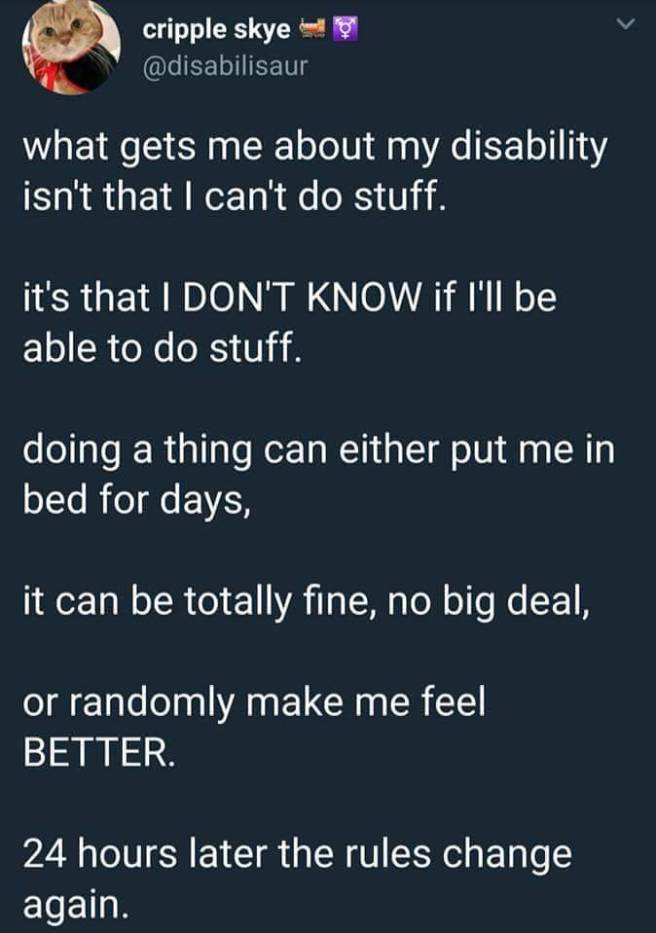
Casual reminder that disabilities are often based on the day or the unique challenges of the situation. People who need a wheelchair on most days might not on one particular day. People who use an emotional support animal may not need it 24/7. People who rely on canes may only need it when they’re having bad days. It doesn’t mean they’re faking of their disability isn’t valid. Energy levels and pain fluctuate and that’s okay.
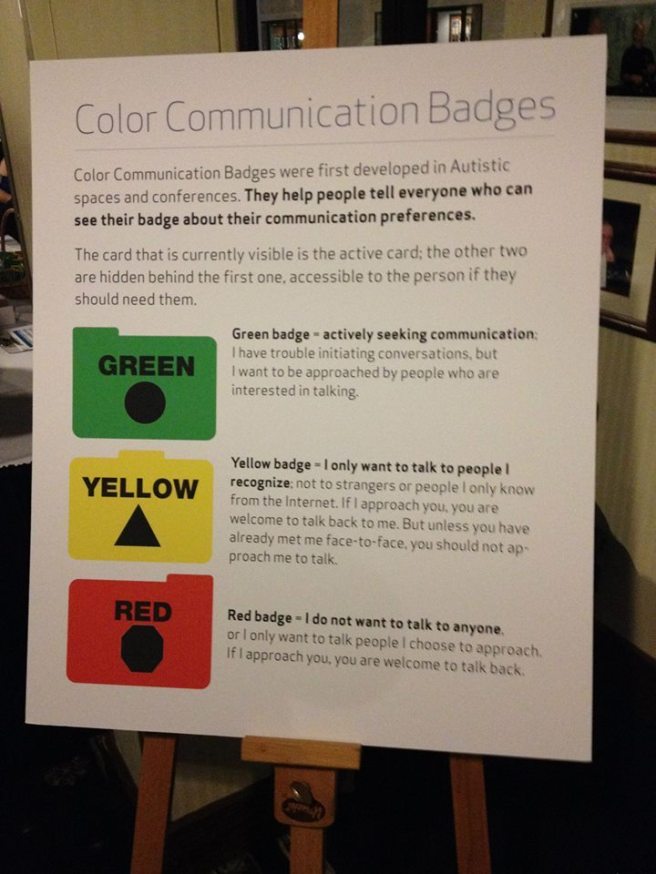
[Image is a poster explaining briefly the origin and meaning of green, yellow, and red interaction signal badges, referred to above as Color Communication Badges.]
if youre not autistic or suffer from an actual disorder, dont use these. its not cute.
er… you know a lot of autistic people go to conventions, right? And people with social anxiety disorders and panic disorders? Shit if I could get away with using this at work I would.
I would like to introduce myself. I refer to myself as Sam Thomas, though my legal name and how a lot of people know me is Matthew. I am officially diagnosed autistic.
If you have any question as to the truth of this, I would like to direct your attention to this YouTube video that ASAN produced promoting the above-mentioned conference. I appear as the first person in the video and you can find more images of my face on my blog.
At this conference, not only did we use these communication badges pictured above, but we actually had the opportunity to meet Jim Sinclair, the inventor of these badges.
During the part of the conference in which Jim Sinclair gave us a history of Autism Network International (ANI)—which they were a co-founder of—they talked to us about the establishment of this particular piece of assistive technology. Basically, it was a simple idea that seemed to fit a need and quickly became very popular among many autistic spaces for it’s practicality and ease of use.
The conference it originated from is called Autreat and is held annually by ANI. This is an autism conference that accepts Autistics and Cousins (ACs)—that is, anyone diagnosed or otherwise self-identifying with any disorder autistic or similar that may share a number of autistic traits.
There was a need. The need was met. This is how we can safely assume most technology either emerges or becomes popular.
We also talked about something called Universal Design and the Curb-Cutter Effect. The Curb-Cutter Effect is when something to fit a specific need is found to create convenience in a broader area than intended. Curb cuts allowing for wheelchair accessibility to sidewalks proved to also be convenient to anyone who may have trouble with steps or even simply a mother with a baby stroller or maybe a child with a wagon. This is a desirable outcome with disability rights advocacy as creating convenience for non-disabled people often makes the assistive technology easier to advocate for.
In this sense, these colored communication badges could serve that Curb-Cutter effect. Not only would this be perfectly acceptable for non-disabled people to use for convenience, but would also help to increase their effectiveness and convenience for those of us who need them. Here are a few examples:
Increased popularity makes the colored communication badges more easily recognizable to the general public, making them as effective outside the above-mentioned autism conferences as inside.
Increase in demand would create increase in supply and availability, likely making these available to pretty much anyone and even being included with, say, the name tags you are required to wear at most cons.
In addition to these helping people recognize the communication state of the wearer, the wearer will be able to recognize whom they can feel more comfortable to approach.
Increased popularity would make these badges more acceptable for public use and less alienating to those who would wear them frequently.
This is not something that we are completely incapable of surviving without; this is something that was convenient and made our lives a lot easier. If that can be easily shared with the general public, then what purpose does it serve not to share it?
Spoonie and other chronic illness health reminder of the day: if all you can manage to make or eat today is “junk” food, then good job, you fed yourself. That’s the main thing. You need calories, your body needs them for energy, and you deserve to eat them, however you manage to get them. I know it’s not always ideal, but sometimes you just gotta eat.
So sick and tired of seeing “it’s really simple to eat your way healthy” posts, especially from other people with chronic health conditions who should know better. Yes, Susan, I know how simple and easy it is to make nourishing bone broth, but are you also going to stand in my kitchen for 8 hours while it simmers, do everything else I need to do today, then strain it out, clean up everything and feed it to me too? Oh you managed to make huge batches of it while you had energy and are now able to pull it out of the freezer? Well aren’t you profoundly lucky to be able to do that.
Stop shitting on people who can’t.
And if I see anymore of y’all posting “honestly people who don’t even try to eat healthily deserve to stay sick” posts I’m going to climb out of your garbage disposal like Truth hauling ass out of her well and smack you with your own ladle, so help me gods.
Stop it. You should know better than this. It’s a fucking fucked up fact that “good” food is a luxury for a lot of sick and disabled people, who are often under employed or relying on welfare to survive. It is so absolutely fucked up that not everyone can afford fresh groceries every week or has the means to cook them. But don’t you dare try to imply it’s because they’re not trying hard enough and deserve to be sick. What the fuck is wrong with you. Go sit in the corner.
I’m done spoon feeding you human decency for the day.
Hi friends, it’s Ali! I moved accounts yet again, so have reposted my spoonie masterpost. Hopefully this one will spread like wildfire like the original (: Love and spoons ❤ xx
WHAT IS A SPOONIE?
A spoonie is a person, living with one or more physical or mental chronic illness or disability, that identifies with Christine Miserandino’s Spoon Theory.
Last updated 25th May 2015 @ 17:10 EST Updated when possible (updated version here ♥) Please reblog / like only — do not edit. Thank you. Message hyperelasticzebra to add a blog, article, or post to the list.
I try my best to find as many spoonie blogs and posts to add to this as possible, but if I have missed you, your blog, or a helpful post, please let me know! I don’t always have the spoons or time to search for articles pertaining to specific illnesses.




 Holding the Bowl