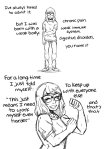
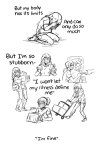
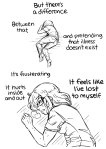
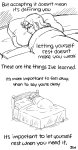
A reminder to myself and others: It’s important to let yourself rest when you need it 💙

Devotional blog dedicated to the Goddess Sigyn offering support to those who are "holding the bowl" within difficult relationships.
If you’ve got persistent/chronic illnesses and/or fatigue, you have permission to be tired. You have permission to not get all the things done right now. You have your own time you do things within, and it is perfectly okay to take that time and move at your pace and rest when needed.
Even when things are going well and exciting stuff is happening! Even when you feel that now that things are taking a turn for the better, your energy and spoons should be going up too! You don’t have to recover and be full of energy automatically, you’re not lazy if you have to rest. If your bones and muscles say “nope” then it is okay for you to decide that it’s time to stop, regardless of how nice a day it is, regardless if it seems like the perfect time to do a given chore. Don’t feel obligated to spend your time on work just because you feel like you should be busy.
I am typing this to myself to make it click.
reminder to self.
Me: Omg I can’t stop yawning today. So tired!
Everyone in the world: Did you not sleep well?
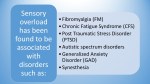
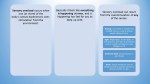
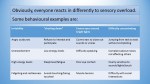
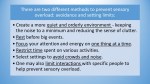
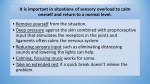
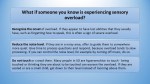
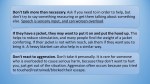
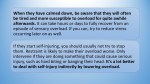
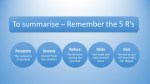
Sensory Overload and how to cope.
(click on images to zoom)
So important.
I also find I can get SO from thinking too much, like brain-over-stimulation. Though that is kinda like audio input for me because of the way I think. After all, my go-to overload thought is “quiet please, make it stop”.
thank you for posting this, i needed it
This is wonderful and so needed
My last SO situation I had allodynia all over, and all the skin sensory input just destroyed my ability to think.
I can’t tell you whether you’re physically disabled or if you “qualify” for cripple punk, but lots of people with chronic illnesses consider themselves physically disabled! I’m one of those people, and I’m all about cripple punk.
OK, what was major for ME to realise was that disability isn’t an all-in thing. It’s not “you’re either disabled or you aren’t”. With chronic illnesses like SEID and fibro, your level of ability is going to fluctuate. So some days you can’t reach high to get a thing down from the shelf, you need a cane for stability, you can’t walk 100m, those days you are disabled. Other days you might be a lot more physically able. I realised that the whole “No, you’re disabled or you’re not! You can’t have off days!” refrain my mind kept repeating was an aspect of internalised ableism.
whatshouldwecallchronicillness:
Emily’s plan to deal with fatigue:
1. Meds.
2. Try to stay active, or at least stimulated in my brain
3. Adapt my life to conserve energy
3. Cry when somedays every effort still doesn’t work. Then pick myself back up and try again the next day. :0)
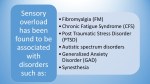
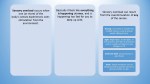
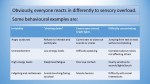
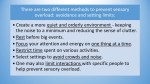
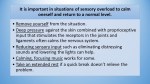
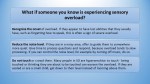
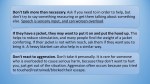
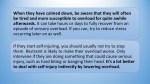
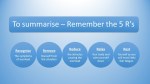
Sensory Overload and how to cope.
(click on images to zoom)
this is very good advice. being autistic, i’m susceptible to overload, and do my best to keep my environment restful so i’m better able to deal with the outside world when i need to, but sometimes shit happens. the number one thing i wish people knew about overload is: don’t get between me and the door. usually i catch it in time to politely excuse myself ‘for a cigarette’ but sometimes, like if i get cornered one of those people who stands too close and wears too much perfume and talks too loud and completely ignores disengagement signals, i can end up in a hurry to get away from the stimulus, and even a little panicky. so like… don’t block my path on my way out, okay?
also, don’t follow me outside and keep talking. don’t try to participate in my spindown. don’t demand reassurance every thirty seconds. don’t make it about you. i’ve got this. i don’t need your help. i just need you to stop making it worse.
 Holding the Bowl