jumpingjacktrash:

neurosciencestuff:

Stress tied to change in children’s gene expression related to emotion regulation, physical health

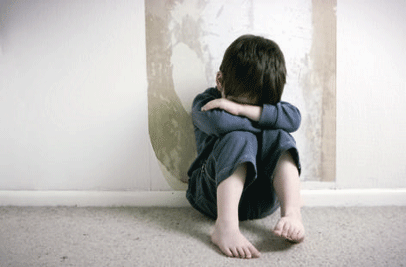
Children who have been abused or neglected early in life are at risk for developing both emotional and physical health problems. In a new study, scientists have found that maltreatment affects the way genes are activated, which has implications for children’s long-term development. Previous studies focused on how a particular child’s individual characteristics and genetics interacted with that child’s experiences in an effort to understand how health problems emerge. In the new study, researchers were able to measure the degree to which genes were turned “on” or “off” through a biochemical process called methylation. This new technique reveals the ways that nurture changes nature—that is, how our social experiences can change the underlying biology of our genes.

The study, from researchers at the University of Wisconsin, Madison, appears in the journal Child Development. Nearly 1 million children in the United States are neglected or abused every year.

The researchers found an association between the kind of parenting children had and a particular gene (called the glucocorticoid receptor gene) that’s responsible for crucial aspects of social functioning and health. Not all genes are active at all times. DNA methylation is one of several biochemical mechanisms that cells use to control whether genes are turned on or off. The researchers examined DNA methylation in the blood of 56 children ages 11 to 14. Half of the children had been physically abused.

They found that compared to the children who hadn’t been maltreated, the maltreated children had increased methylation on several sites of the glucocorticoid receptor gene, also known as NR3C1, echoing the findings of earlier studies of rodents. In this study, the effect occurred on the section of the gene that’s critical for nerve growth factor, which is an important part of healthy brain development.

There were no differences in the genes that the children were born with, the study found; instead, the differences were seen in the extent to which the genes had been turned on or off. “This link between early life stress and changes in genes may uncover how early childhood experiences get under the skin and confer lifelong risk,” notes Seth D. Pollak, professor of psychology and pediatrics at the University of Wisconsin, Madison, who directed the study.

Previous studies have shown that children who have experienced physical abuse, sexual abuse, and neglect are more likely to develop mood, anxiety, and aggressive disorders, as well as to have problems regulating their emotions. These problems, in turn, can disrupt relationships and affect school performance. Maltreated children are also at risk for chronic health problems such as cardiac disease and cancer. The current study helps explain why these childhood experiences can affect health years later.

The gene identified by the researchers affects the hypothalamic-pituitary-adrenal (HPA) axis in rodents. Disruptions of this system in the brain would make it difficult for people to regulate their emotional behavior and stress levels. Circulating through the body in the blood, this gene affects the immune system, leaving individuals less able to fight off germs and more vulnerable to illnesses.

“Our finding that children who were physically maltreated display a specific change to the glucocorticoid receptor gene could explain why abused children have more emotional difficulties as they age,” according to Pollak. “They may have fewer glucocorticoid receptors in their brains, which would impair the brain’s stress-response system and result in problems regulating stress.”

The findings have implications for designing more effective interventions for children, especially since studies of animals indicate that the effects of poor parenting on gene methylation may be reversible if caregiving improves. The study also adds to what we know about how child maltreatment relates to changes in the body and mind, findings that were summarized recently in an SRCD Social Policy Report by Sara R. Jaffee and Cindy W. Christian.

being bullied, abused, scapegoated, and neglected in school crippled my brain’s reward mechanism. despite having responsible, supportive parents, i was permanently damaged by that experience. medicating my anxiety and depression helps a lot, but it will still always be there. bullying is a form of child abuse. emotional cruelty from authority figures is a form of child abuse. this shit is real.

a society that’s happy to sprain itself bending over backwards to make sure kids don’t see sex on tv is willing to accept kids’ minds being permanently scarred in school. i just don’t understand.

Games may ease depression, anxiety in players

Video games can be entertaining, but could they also help improve mental health?…

“A lot of them look exactly the same as games that someone could play just for fun. So they may have cartoon characters, they could have missions, but embedded in that game are treatment mechanisms,” said Tracy Dennis, Professor of Psychology at Hunter College.

Dennis designed one such game called Personal Zen. She says preliminary findings show after playing the game for 20 minutes the brain starts processing negative information differently.

Games may ease depression, anxiety in players

What’s the Difference Between an Anxiety Disorder and Just Feeling Anxious


What’s the Difference Between an Anxiety Disorder and Just Feeling Anxious

creativesocialworker:

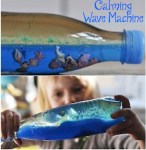
Calming Wave Machine (Sensory Bottle)

– Supplies:
  • Clear plastic bottle
  • Water
  • Blue food coloring
  • Cooking oil (ex. vegetable, sun seed, canola, etc.)
  • Small seashells/stones, glitter, plastic fish/shells, sea themed beads, coarse sand, etc.
  • Super glue or duct tape
  • Alka seltzer (optional)
– Directions
  • Fill 1/3 of the bottle with water, and the rest with oil.
  • Add 1 drop of blue food coloring and the small sea items
  • Since the oil and water do not mix, the oil creates slow waves in the water when you turn it back and forth. 
  • By adding Alka Seltzer tablets, you can create a cool lava lamp effect (click here)
  • The cap can be secured with superglue or duct tape

Other ideas for “calm bottles” can be found here, here and here.  Goes well with deep breathing exercises (here).

jumpingjacktrash:

:

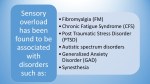
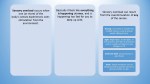
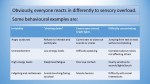
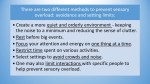
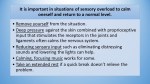
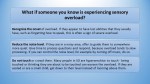
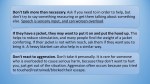
Sensory Overload and how to cope.

(click on images to zoom)

this is very good advice. being autistic, i’m susceptible to overload, and do my best to keep my environment restful so i’m better able to deal with the outside world when i need to, but sometimes shit happens. the number one thing i wish people knew about overload is: don’t get between me and the door. usually i catch it in time to politely excuse myself ‘for a cigarette’ but sometimes, like if i get cornered one of those people who stands too close and wears too much perfume and talks too loud and completely ignores disengagement signals, i can end up in a hurry to get away from the stimulus, and even a little panicky. so like… don’t block my path on my way out, okay?

also, don’t follow me outside and keep talking. don’t try to participate in my spindown. don’t demand reassurance every thirty seconds. don’t make it about you. i’ve got this. i don’t need your help. i just need you to stop making it worse.

Meditation That Eases Anxiety? Brain Scans Show Us How

acleansingbreath:

Research and technology have advanced to the point where scientists can observe the way in which meditation affects the brain to reduce anxiety.

Using special imaging technology, researchers from Wake Forest Baptist Medical Center report that they have determined the way in which meditation affects or acts upon certain brain mechanisms.

“Although we’ve known that meditation can reduce anxiety, we hadn’t identified the specific brain mechanisms involved in relieving anxiety in healthy individuals,” said Fadel Zeidan, Ph.D., the lead author of the study.

“In this study, we were able to see which areas of the brain were activated and which were deactivated during meditation-related anxiety relief.”…

more

Meditation That Eases Anxiety? Brain Scans Show Us How

» Depression: How do you tell your boss you can’t work?

If you don’t have a mental illness – whether it’s depression or alcoholism or an anxiety disorder – you’ve probably never been confronted with these questions: How do you call in sick when your mental illness prevents you from work? What do you say when you go back to work after an extended absence  because of your mental illness?

When you have to answer these questions, you realize how much stigma there is about mental illness.

» Depression: How do you tell your boss you can’t work?

Talk Therapy Online and Counseling Services.

BlahTherapy is run by and was founded (April 2010) by a single individual who has had moments just like you – where we really needed to speak to someone.

Today, BlahTherapy connects you with random strangers around the world who are willing to talk to you about your problems, as well as sharing their own. As a community, we’ve found that talking through our emotional, psychological, or mental issues is one of the best methods of releasing our anger, stress, depression or pain. Sharing and connecting with other strangers who are going through a struggles just like you provides great consolation to anyone in need of healing or a friend.

Talk Therapy Online and Counseling Services.

Things to Do When You’re Anxious, Scared, or Just Need a Distraction

the-chocobo-knight:

roachpatrol:

writingweasels:

Seed Plant Breeder

Fly a Line

Paint a Nebula

The Quiet Place

The Thoughts Room

Paint Like Jackson Pollock

Rainy Mood

Do Nothing for Two Minutes

Stress Analyst

Create Your Own Picasso Face

Weave Silk

weave silk is my favorite and seed plant breeder is super fun. 

These are all wonderful.