
First link to post with suicide hotlines: http://chronicillnessmemes.tumblr.com/post/129468786066/slenbee-stay-strong-everyone-if-you-need
Second, trigger warnings: suicide, death mention, suicide ideation
Third, this is going to be honest instead of positive, so please consider carefully if you think anything is going to trigger you and don’t read below the cut.
I pop into r/chronicpain from time to time and it can be a really gloomy place. There are a lot of people who are really desperate. I wouldn’t call them depressed, I don’t know that they are, they’re just…. they’re in a lot of pain and they want it to stop, some of them are in a place where they could lose access to their medication, and they can’t do it any more.
This post is really good. So many tips for bad days ❤
Tag: advice
Take care of yourselves, watch the people around you carefully, and cordon off the ones who are toxic, so that the universe can decontaminate them for you through exposure and death.
Warren Ellis
This is always very good advice (I’ve written some version of it myself at various times), but it’s especially poignant for me to read it from Warren, now, because I’ve just had to remove a profoundly toxic, dishonest, manipulative, bad, bad, bad person from my life. You’d think it would be easy, but it wasn’t.
So, speaking from experience: it’s not your fault that a toxic person fooled you, even if they fooled you for years. It’s not your fault, and while it is entirely expected that you go through the normal grieving process that is associated with any loss, try not to spend any time blaming yourself for not seeing all the things that you can see now in hindsight much sooner than you did.
Take care of yourself, as Warren says.
(via wilwheaton)
THIS.
(via dianesdreams)
Some things you can do to deal with grief and loss
1. Find someone whom you trust that you can share your feelings with – and be real about the pain and different battles that you face. It’s crucial that you don’t just keep your feelings to yourself as you’ll find that they resurface – and they won’t just go away.
2. Share with others who have also walked the road of grief and loss. Although each person’s journey is different and unique, it often helps to listen to others who’ve faced loss. You’ll learn from their experience and what they did to cope.
3. Take time away from sadness – and try to focus on some happy, funny memories of good times you once shared. Be thankful for these memories – but also take the time to consider and be grateful for what you have today. (Note: Distraction is important as you can’t just live with pain.)
4. Allow yourself to cry and to express the way you feel. It’s normal and it’s healthy when dealing with a loss. It usually brings relief and it can help us process pain … and releasing strong emotions can help us to move on.
(Note: If you find it hard to cry, express yourself in other ways – through painting, music or, perhaps, through journaling.)5. Try and do what you can to establish new routines. When a loved one dies, life can never be the same. But changing old routines can help us start over again – and build a different future, without that person there.
6. Build time for self-care into your daily routine. Set aside 20 minutes to relax and unwind … You could listen to some music, or take a bubble bath. It’s important that you nurture and take care of yourself, and you do what is needed to reduce excessive stress.
7. Recognise that there are likely to be other losses, too. You need to mourn for them as well – as they contribute to your pain.
8. Be patient, understanding and gentle with yourself. The road you walk through grief is unpredictable and hard. You’re on a roller coaster that’s always changing course. But things will change in time – and you will learn to smile again.
While this is written primarily for those who have experienced the death of someone who was close to them, I think that a lot of the tips it would also serve for any type of loss (such as a difficult breakup, losing a job, some other major setback in life) as well.
Self Care in Self Betterment
So it’s that time of the year, again— holidays and finals. There’s lots of stress going around, and we can get caught up in our busy schedules to the point where we get sick (or worse). So, I’d like to make a little post with some ways to hopefully help in our self care. You can take a whole day for yourself or just a few minutes, if your schedule won’t allow it.
- Take a shower, bath, or run a warm, damp washcloth over your face, neck and shoulders. Take some time to pay a little extra attention to other grooming, as well! You can do things like manicures, pedicures, face masks, etc. in the comfort of your home, if you prefer it.
- The air gets really dry this time of year, so you can get lotion or a humidifier to help with that. If you have a wood stove, you may consider putting a pot of water on top so it releases the steam into the air (but keep an eye on it). You can add things like cinnamon sticks in the water that creates a lovely smell, but be careful of the water level, as you don’t want the cinnamon to burn!
- Treat yourself to a little (or big) something, if your budget allows. Maybe you’ve been eying a new book, for example!
- Wash/change your blankets, sheets, and pillow cases. Perhaps you’d like to get a new detergent for an extra nice smell!
- Curl up with some music and a book, hot drink, knitting project, etc.! I’m personally fond of melting a candycane in hot chocolate while listening to musicians like Loreena McKennitt, Enya, and Mozart. Loreena and Enya both have Christmas related albums if you’d like to listen to them and are in a festive mood.
- Play with a pet you may have or a friend’s! (Be sure to ask permission first!)
- For this one, I would suggest seeing a doctor about prior. I’m in a place that gets very little sunlight in the winter, so I need it, but you may not! With the lack of sunlight in the winter, our immune systems can take a really big hit, and pulling all-nighters for finals doesn’t help any,either. When I was in school (and even now) I’d take a single tablet of vitamin D3 every day. It would keep me feeling more energized, happier, and would rarely get sick. Again, talk to a medical professional before getting these. (You can also take daily vitamins! )
I hope these suggestions help you guys, and that you all have a happy and safe holiday season!
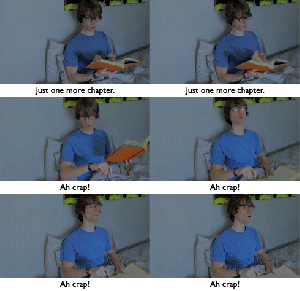


It’s here. Chronic Illness and Education
Part 1 is all about going to school when you have a chronic illness. Thank you so much to Ali for putting this together. I hope you find this helpful, and th…It’s that time of year, everyone is dreading going back to school, especially when having a chronic illness can make everything ten times harder.
Check out all three videos:
Chronic Illness and Education Part 1 – School
Chronic Illness and Education Part 2 – Home Schooling
Chronic Illness and Education Part 3 – University
Also check out these links for posts about School and University
My wonderful Spoonie little pseudo-sister, thefaultinourspoons, put together this great post for out school bound Spoonies — please give it a look! It’s fantastic, as usual!! 💙



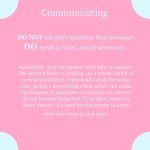
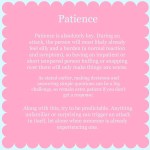
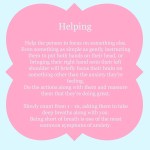
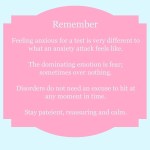

Anxiety & Helping Someone Cope.
I didn’t want to make it overwhelming or too long remember, so I kept it to the main points that benefit me greatly when I’m experiencing an attack.
40 million of Americans alone suffer with anxiety; it’s a horrid feeling when you know someone just wants to help you but you cannot even construct a simple sentence at the time, so please share this in hope that it benefits even just 1 person. Muchos love.
How to Escape from an Abusive Relationship
It’s important to have a safe exit plan from an abusive relationship. The following tips might help you with this:
• Make a note of the phone numbers for your local women’s shelters.
• Confide in someone you genuinely trust (a good friend, a colleague at work, or a family member. Develop a code so they can help you if you are in an emergency (like a word you can text to them.)
• If your partner harms you, go to the emergency department and ask the staff to document your visit, and your reason for seeking medical attention.
• Journal each threat or abusive incident (with dates). If possible photograph any injuries.
• Prepare your escape in advance. Plan where you will go, and how you will get there.
• If you have a car, keep it backed in the driveway, with plenty of gas, and the keys close at hand, so that you can make a quick escape. Hide an extra set of car keys in case your partner steals and hides yours.
• Set money aside, either in a secret bank account or with a trusted friend or family members.
• Leave a packed bag with a friend or family member. This should contain an extra set of keys, essential ID (birth certificates, social security card, credit card, bank information, important phone numbers, passport, medical records etc), some clothes and any medications. If possible, avoid making use of neighbors or mutual friends.
• Know your partner’s schedule, and plan ahead for safe times to leave.
• Be especially alert to securing help through your computer or phone. Delete your internet browsing history, any websites you’ve checked out for resources, and all your old emails. If you called for help just before you left the house, dial another number afterwards in case your partner hits redial.
• Leave a false trail behind. For example, call hotels or rental agencies that are several hours away from the place you are planning on moving to.
10 Activities To Relax Your Child
Getting your child with special needs to relax and focus can be a difficult job. There are many situations in which our children need some help to settle down. Whether your child is excited by something fun and enjoyable or something scary and unfamiliar, a calming exercise may be needed to move on to the next routine or activity.
Each child responds differently to calming activities so it is helpful to come up with a range of activities and strategies that could be calming for your child.
Here are 10 activities to build into your child’s routine and environment, which can be calming and soothing.
1. Play quiet music
Choose music that is steady and generally mellow. Music has a natural ability to filter out noises and set the mood for the environment. If your child is out in a busy environment, try noise-cancelling headphones.
2. Create a small, quiet area for your child
Sometimes children need their own personal space where they can block out the extra noise and visual distractions. This could especially work if your child tries to escape his/her current environment if overwhelmed. Try something like a small tent or create a small book area in your home that your child can easily retreat to when it is time for them to have a break.
3. Deep breathing exercises
Practice slow breathing with your child. Model slow, deep breaths for your child to imitate. If need be, teach your child to trace his/her finger in the shape of a square or figure-8 to help pace their breather.
4. Try a little yoga
The combination of slow breathing, stretching, tensing of muscles and concentration to hold a position can be centering and calming. Introduce this to your child in a fun way, such as a children’s yoga program or a DVD.
5. Go for a walk with your child
Taking a walk can help to release some of the extra energy that has been building up in your child, especially if he/she needs a break from an activity. A change in scenery and fresh air is helpful.
6. Turn out the lights
There are times that a child could be sensitive to light. In some cases, if a child is stressed or overwhelmed, turning out the lights or going into a darkened space can help bring a sense of calm and security. If you are trying to settle your child in the evening, turn down the lights as the evening routine winds down.
7. Give a bear hug, squeeze or back rub
Be careful when approaching your children to give any type of pressure, especially if he/she is sensitive to touch or startles easily.
8. Sit in a rocking chair or swing
The slow, rhythmic movement can be soothing for your child. If your child is unsure about this, you can have him/her sit on your lap while you rock to settle them in.
9. Offer your child something to drink
A drink of water or juice can be cool your child down if he/she is overheated. In some cases, drinking from a straw is also helpful because of the sucking motion, which provides some sensory input through the mouth.
10. Look for clues from the past
Think back to activities that worked to soothe your child when he/she was an infant. Often you will find clues about new activities that could be a great calming activity for your child.
When Using These Activities
Keep in mind, there may not be one activity that always works for your child. Some activities will not come naturally to your child.
Introduce and practice these activities when your child before suggesting them in a tense moment. When possible, give your child some choice in what he/she would like to do as a calming activity. Choices could be given verbally but also through visuals, like a choice board.
If your child has sensory processing challenges, a more prescribed and guided approach may be helpful. Consult with an Occupational Therapist for a more thorough assessment and program suited for your child’s needs
How to Take Control of Negative Emotions
1. Don’t take every thought and feeling seriously. Both of those tend to be patterned and habitual. Thus, they are not necessarily accurate and reliable.
2. Don’t blow small things out of proportion. Take control of your thinking and keep things in perspective. Don’t allow yourself to dwell on negatives, or critical thoughts.
3. Accept that we’re all hit by negative emotions. It’s a fact of life – and is unavoidable.
4. Work on strategies that work for you, and that help distract you from the way you feel.
5. Deliberately think about more positive things – like what is going well, or the things you’re thankful for – then shrug your shoulders and move on with your day.
6. Notice your triggers – the things that bother you, attack your self esteem and your self confidence – so you recognise the patterns and can plan how best to cope.
 Holding the Bowl