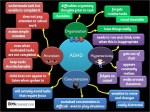
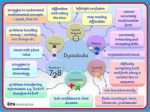
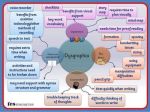
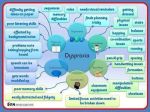
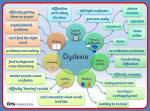
Many of you saw this when I originally posted it a few months ago, and it was incredibly popular. However, we have a lot of new people and I thought they might want to see it, as well. Dyslexia is often accompanied by other conditions such as ADHD, dyscalculia, dysgraphia and dyspraxia.
Tag: adhd
It’s Different for Girls with ADHD
When you live in total squalor—cookies in your pants drawer, pants in your cookies drawer, and nickels, dresses, old New Yorkers, and apple seeds in your bed—it’s hard to know where to look when you lose your keys. The other day, after two weeks of fruitless searching, I found my keys in the refrigerator on top of the roasted garlic hummus. I can’t say I was surprised. I was surprised when my psychiatrist diagnosed me with ADHD two years ago, when I was a junior at Yale.
In editorials and in waiting rooms, concerns of too-liberal diagnoses and over-medication dominate our discussions of Attention Deficit Hyperactivity Disorder, or ADHD. The New York Times recently reported, with great alarm, the findings of a new Center for Disease Control and Prevention study: 11 percent of school-age children have received an ADHD diagnosis, a 16 percent increase since 2007. And rising diagnoses mean rising treatments—drugs like Adderall and Ritalin are more accessible than ever, whether prescribed by a physician or purchased in a library. The consequences of misuse and abuse of these drugs are dangerous, sometimes fatal.
Yet also harmful are the consequences of ADHD untreated, an all-too-common story for women like me, who not only develop symptoms later in life, but also have symptoms—disorganization and forgetfulness, for instance—that look different than those typically expressed in males. While the New York Times’ Op-Ed columnist Roger Cohen may claim that Adderall and other “smart” drugs “have become to college what steroids are to baseball,” these drugs have given me, a relatively unambitious young adult who does not need to cram for tests or club until 6 a.m., a more normal, settled life.
The idea that young adults, particularly women, actually have ADHD routinely evokes skepticism. As a fairly driven adult female who had found the strength to sit through biology lectures and avoid major academic or social failures, I, too, was initially perplexed by my diagnosis. My peers were also confused, and rather certain my psychiatrist was misguided. “Of course you don’t have ADHD. You’re smart,” a friend told me, definitively, before switching to the far more compelling topic: medication. “So are you going to take Adderall and become super skinny?” “Are you going to sell it?” “Are you going to snort it?”
The answer to all of those questions was no. I would be taking Concerta, a relative of Ritalin. Dr. Ellen Littman, author of Understanding Girls with ADHD, has studied high IQ adults and adolescents with the disorder for more than 25 years. She attributes the under-diagnosis of girls and women—estimated to be around 4 million who are not diagnosed, or half to three-quarters of all women with ADHD—and the misunderstandings that have ensued about the disorder as it manifests in females, to the early clinical studies of ADHD in the 1970s. “These studies were based on really hyperactive young white boys who were taken to clinics,” Littman says. “The diagnostic criteria were developed based on those studies. As a result, those criteria over-represent the symptoms you see in young boys, making it difficult for girls to be diagnosed unless they behave like hyperactive boys.”
ADHD does not look the same in boys and girls. Women with the disorder tend to be less hyperactive and impulsive, more disorganized, scattered, forgetful, and introverted. “They’ve alternately been anxious or depressed for years,” Littman says. “It’s this sense of not being able to hold everything together.”
Further, while a decrease in symptoms at puberty is common for boys, the opposite is true for girls, whose symptoms intensify as estrogen increases in their system, thus complicating the general perception that ADHD is resolved by puberty. One of the criteria for ADHD long held by the Diagnostic and Statistical Manual, published by the American Psychiatric Association, is that symptoms appear by age 7. While this age is expected to change to 12 in the new DSM-V, symptoms may not emerge until college for many girls, when the organizing structure of home life—parents, rules, chores, and daily, mandatory school—is eliminated, and as estrogen levels increase. “Symptoms may still be present in these girls early on,” says Dr. Pat Quinn, cofounder of The National Center for Girls and Women with ADHD. “They just might not affect functioning until a girl is older.” Even if girls do outwardly express symptoms, they are less likely to receive diagnoses. A 2009 study conducted by atThe University of Queenland found that girls displaying ADHD symptoms are less likely to be referred for mental health services.
In “The Secret Lives of Girls with ADHD,” published in the December 2012 issue ofAttention, Dr. Littman investigates the emotional cost of high IQ girls with ADHD, particularly for those undiagnosed. Confused and ashamed by their struggles, girls will internalize their inability to meet social expectations. Sari Solden, a therapist and author of Women and Attention Deficit Disorder, says, “For a long time, these girls see their trouble prioritizing, organizing, coordinating, and paying attention as character flaws. No one told them it’s neurobiological.”
Often, women who are finally diagnosed with ADHD in their twenties or beyond have been anxious or depressed for years. A recent study published in the Journal of Consulting and Clinical Psychology found that girls with ADHD have high rates of self-injury and suicide during their teenage years, at last bringing attention to the distinct severity of ADHD in females. In Pediatrics, a large population study found that the majority of adults with ADHD had at least one other psychiatric disorder, from alcohol abuse to hypomanic episodes to major depression. This poses a particular threat to females, for whom ADHD diagnoses tend to come later in life.
For the two decades prior to my diagnosis, I never would have suspected my symptoms were symptoms; rather, I considered these traits—my messiness, forgetfulness, trouble concentrating, important-document-losing—to be embarrassing personal failings. Matters really deteriorated in college, when I was wrongfully allowed a room of my own, leaving me with no mother to check up on “that space between your bed and the wall,” where moldy teacups, money, and important documents would lie dormant. I maintained a room so cluttered that fire inspectors not only threatened to fine me 200 dollars if I didn’t clean, they insisted it was the messiest room they had ever seen (boys’ included!) in their twenty years of service. Throughout college, I would lose my ID and keys about five times a semester. I’d consistently show up for work three hours early or three hours late. I once misplaced my cellphone only to find it, weeks later, in a shoe.
“Often, if girls are smart or in supportive homes, symptoms are masked,” Solden says. “Because they’re not hyperactive or causing trouble for other people, they’re usually not diagnosed until they hit a wall, often at college, marriage, or pregnancy. A lot of things that are simple and routine to other people—like buying groceries, making dinner, keeping track of possessions, and responding to emails—do not become automatic to these women, which can be embarrassing and exhausting.”
As a recent college graduate cautiously negotiating adulthood in New York City, I am both embarrassed and exhausted by my struggles to keep track of objects and time. While the stakes have become significantly higher—credit cards, passports, and cameras have slipped through my fingers—medication has minimized the frequency of these incidents.
I can’t say that I know what part is ADHD, what part is me, or whether there’s a difference. I can say that ADHD medication (in conjunction with SSRIs) has granted me a base level of functionality; it has granted me the cognitive energy to sit at my jobs, to keep track of my schedule and most possessions, and to maintain a semblance of control over the quotidian, fairly standard tasks that had overwhelmed me—like doing laundry, or finding a sensible place to put my passport.
Medication is certainly not a cure-all, but when paired with the awareness granted by a diagnosis, it has rendered my symptoms more bearable—less unknown, less shameful. And while I’m certain I’ll continue to misplace and forget objects, I have discovered the virtues of a little self-love, a lot of self-forgiveness, and even using different drawers to store different things.
The drawer thing, though, is a work in progress. The next time I misplace my keys, the fridge will be the first place I look.
—Maria Yagoda

opulentes:
ABUSE
Information
- Love Is Respect (Digital Abuse)
- Love Is Respect (Emotional/Verbal Abuse)
- Love Is Respect (Financial Abuse)
- Love Is Respect (Physical Abuse)
- Love Is Respect (Sexual Abuse)
- Love Is Respect (Stalking)
- Help Guide
Coping
- Caring for yourself
- Domestic abuse
Chat Rooms
- Survivors Chat
- Fort Refuge
- Pandy’s
ADD/ADHD
Information
- Help Guide
- Attention Span Test
- Attention Quiz
- Concentration Quiz
Coping
- Coping Tips for Attention Deficit Disorder
- 12 Best Tips for Coping with ADHD
- 50 Tips On The Management of Adult Attention Deficit
Medication
- ADHD Medication Chart: Compare Drugs for ADD and ADHD
- Drugs Used to Treat ADHD/ADD
- ADD/ADHD Medications: Are ADHD Drugs Right for You
- ADHD Medication Side Effects, Drug Types, Precautions
ADDICTION
Information
- Help Guide (Alcohol & Drugs)
- Half of Us (Alcohol & Drugs)
Coping and Recovery
- Tools of Recovery: Addiction Coping Skills
- 5 Ways to Deal With Urges and Cravings
- After Rehab: 5 Ways for Addicts to Cope
- Addiction Recovery
- Coping With Urges
- Dealing With Cravings
ANGER
Coping
- strategies to keep anger at bay
- Anger management: 10 tips to tame your temper
- Anger Management: Tips and Techniques
- Feeling Angry
- Controlling Anger — Before It Controls You
- Dealing With Anger
- How To Cope With Anger
- Anger management: What works and what doesn’t
- Ten Commandments of Anger Regulation
ANXIETY
Information
- Anxiety Quiz
- Social Anxiety Test
- What are your stress triggers?
- Coping Skills Quiz
- Anxiety disorders explained
- Help Guide (Anxiety Attacks & Anxiety Disorder)
- Understanding and managing anxiety
- learn more about anxiety
- Anxiety Self-Assessment
- Help Guide (General Anxiety Disorder)
- Help Guide (Social Anxiety Disorder & Social Phobia)
- Explanation of anxiety and self help tips
Coping
- a list of stress relievers
- Identifying and Managing Anxiety
- 11 Assorted Anxiety Tips for Anxiety Sufferers
- How to work through feelings of isolation
- Tips and tricks for dealing with anxiety
- Anti-stress breathing tips
- How to stay under control with severe social anxiety
- Coping with social anxiety
- Managing Stress
- how to help a friend with anxiety
- Help Guide (Therapy)
- Half of Us
- Job interviews and social anxiety
- Dealing with anxiety
- Coping with test anxiety
- Tips for flying anxiety
- Grounding techniques
- More grounding techniques
- Even more grounding techniques
- Mindfulness
- Belly breathing
- Living with anxiety
- Social anxiety disorder self help tips.
- Coping with flashbacks
- What anxious racing thoughts are like for me
- Using a thought diary
Panic Attacks
- How to handle panic attacks
- Exploring and coping with panic attacks
- 10 Rules for Coping with Anxiety and Panic
- Tips to cope with panic attacks
- Rules for coping with anxiety and panic
- Understanding and coping with panic attacks
- Understanding and helping panic attacks and panic disorders
- Help Guide (Panic Attacks & Panic Disorder)
- Coping with panic attacks workbook
- Rules for coping with panic
- Panic attack workbook 2
Interactives
- Emotional baggage check
- The Dawn Room
- The quiet place
- The thoughts room
- Stress Analyst
- cloudflowing
- imagination
- planetarium
- weavesilk
- calm
- make sand art online
- lifeinneon
- dolldivine
- barcinski-jeanjean
- rainymood
- do nothing for 2 minutes
- stars
- Muscle Relaxation
- Mood chart
Medication
- Help Guide (Anxiety Medicine)
- Common Medications for Anxiety Disorders
- Guidelines for Medication Use
Chat Rooms
- HealthfulChat
- Phobics Awareness
- Healing Well
- Anxiety Space
BIPOLAR DISORDER
Information
- Help Guide (Signs and Symptoms)
- Half of Us
- Bipolar Depression Quiz
- hypomania
Coping
- Bipolar disorder and self-help
- Living with bipolar disorder
- How to deal with bipolar disorder without medication
- 10 ways to cope with bipolar disorder
- Coping skills
- Help Guide (Self Help)
- Bipolar Support tumblr
Medication
- Help Guide (Bipolar Disorder Medication Guide)
- Help Guide (Treatment)
Chat Rooms
- HealthfulChat
- Bipolar World
- Healing Well
DEPRESSION
Information
- depression information
- Depression Infographic
- Help Guide (Depression: Signs, Symptoms, Causes & Help)
- Help Guide (Teenage Depression: A Guide for Parents)
- Half of Us
- Depression Quiz
Coping
- How to cope with depression
- How to cope with depression 1
- Natural depression treatments
- Ways to deal with depression/stress
- Tips to help overcome loneliness
- 10 Tips on How to Work Through Feelings of Social Isolation
- 8 Tips to Overcome Loneliness
- Ways to deal with depression/stress
- having a bad day?
- Make a comfort box
- 10 Things to Do When You Feel Like Crap
- how to find a new normal in the middle of depression
- you are not alone in the way you think you are
- reasons to stay alive
- how to stop trying to think yourself into happiness and actually arrive there
- cheer me up
- Help Guide (Dealing with Depression)
- Help Guide (Helping Someone with Depression)
Medication
- What to expect with antidepressants
- Finding the right anti-depressant
Chat Room
- HealthfulChat
- Healing Well
EATING DISORDERS
Recovery
- 281 Reasons to Recover
- Eating Disorders and Emotional Eating Test
- Relapse Prevention
- Bloating, Indigestion, & Feeling too full
- Why You Must Eat
- Learning to Love Your Body
- Tips to Stop Restricting
- Dealing With Weight Gain
- 10 Steps to Bulimia Recovery Workbook
- Coping with Exercise Addiction
- Tips to help with bulimia recovery
- Help Guide (Emotional Eating)
- Help Guide (Binge Eating)
- Help Guide (Bulimia)
- Help Guide (Helping Someone With an Eating Disorder)
- Help Guide (Treatment and Recovery)
- Stop Hating Your Body
- Body Positive Zone
- Self Care 101
- self esteem
- 30 day self esteem challenge
- developing positive self esteem
- learning-to-love-yourself
- Something Fishy
- Ways of coping with eating disordered behaviors
- The addiction help center
FRIENDS WITH ILLNESS
- How to deal/talk with bipolar and depressed people
- What to do when your friend is talking about suicide
- What to do if someone you know is overdosing
- What to do if your friend is hurting themselves
- How to help someone who is suicidal
- here’s what you tell someone who wants to commit suicide
- tips for looking after someone with depression
- Friends with metal illness?
- What to do when someone is suicidal
- Help Guide (Helping Someone with Depression)
GENERAL RESOURCES
- Feelings Wheel
- PsychForums
- Psych Central
- Lets Recover Together
- How to find a Support Group
- DailyStrength
GRIEF AND LOSS
- Help Guide (Coping with a Breakup or Divorce)
- Help Guide (Coping with Grief & Loss)
- Help Guide (Coping with Pet Loss)
- Help Guide (Supporting a Grieving Person)
- Help Guide (The Five Stages of Grief)
HOTLINES
- Crisis Text Line: Text “SUPPORT” to 741741
- Crisis Call Center Call 1-800-273-8255 (24/7) Text ANSWER to 839863 (24/7)
- Thursday’s Child Call 1-800-872-5437 (24/7)
- The Trevor Project Call 866-488-7386 (24/7)
- National Safe Place Text SAFE and your current location to the number 69866
- National Runaway Safeline Call 1-800-786-2929 (24/7)
- National Domestic Violence Hotline Call 1-800-799-7233 (24/7)
MEDITATION
- Tips to Start Meditating
- 8 Ways to Make Meditation Easy and Fun
- 18 Minute Guided Meditation: Blissful Deep Relaxation
- 1 Hour Universal Mind Meditation
- Guided Meditation for Sleep and Good Dreams
- Guided Meditation and Progressive Muscle Relaxation
- Progressive Muscle Relaxation
- Guided Relaxation
- Foundations in Flow Yoga Class
- Heart Opening 30min Yoga Class
- 10min Shoulder Yoga Routine
- 9min Yoga Breathing Exercise (Pranayama)
- Kundalini Yoga Breathing Exercises (3 min)
- Yoga Poses
OCD
Information
- Specific Symptoms of OCD
- Distinguishing OCD From Other Conditions
- The Course of Obsessive-Compulsive Disorder
- How do Obsessive Compulsive People Think?
Coping and Treatment
- Natural Treatment Options
- Treatments for Obsessive-Compulsive Disorder (OCD)
- Additional Treatment Options for OCD
- Residential Treatment for OCD
- Medications for Obsessive-Compulsive Disorder (OCD)
- A New Relationship to Your Obsessions
- How to Find Help for OCD
- OCD: Exposure Therapy Versus Medication
- Cognitive Therapy for OCD
Chat Rooms
- HealthfulChat
- OCD-UK
PERFECTIONISM
Information
- Perfectionism Resources
- Perfectionism – a double-edged sword
- Type-A Personality Quiz
- Perfectionism Test
- Procrastination Test
- Perfectionism: the road to failure
- perfectionism and procrastination
Coping
- How to Overcome Perfectionism
- LEARN TO MANAGE PERFECTIONISM
- How to Overcome Perfectionism & Procrastination
- Perfectionism – Stress Management
- 10 Steps To Conquer Perfectionism
- perfectionists coping with failure
PTSD
Information
- Help Guide (Traumatic Stress)
- Help Guide (PTSD)
- Help Guide (Emotional & Psychological Trauma)
- Mental Help
- PTSD Infographic
- Understanding PTSD
- What is PTSD?
Coping
- Coping with flashbacks
- Self Help Strategies for PTSD
- Coping with Traumatic Stress Reactions
- Post-Traumatic Stress – Self-help Guide
- Understanding and Coping with PTSD
- Coping with PTSD
SCHIZOPHRENIA
Information
- Schizophrenia: What’s in my head?
- Help Guide
- schizophrenia
- Symptoms of Schizophrenia
- Types of Schizophrenia
- Causes of Schizophrenia
Coping
- Living with Schizophrenia
- Coping With Schizophrenia
- Schizophrenia Coping and Recovery
- Schizophrenia: Coping with Delusions and Hallucinations
- Paranoid schizophrenia Coping and support
Treatment
- An Introduction to the Treatment of Schizophrenia
- Treatment of Schizophrenia
- Drugs to Treat Schizophrenia
- Common Drugs and Medications to Treat Schizophrenia
- Treating Schizophrenia Successfully
SELF-HARM
- Cut something that’s not real skin
- Half of Us
- Help Guide
- Recover Your Life
- Self-Injury Outreach & Support
- How to care for cuts
- Resisting cutting
- 25 ways to avoid self injury and prevent self harm
- Tips to help stop cutting
- 99 Coping Skills: Things to do Instead of Cutting
- What to do when someone sees
- How to fade/cover scars
- Alternatives For Cutting 1
- Alternatives For Cutting 2
- Alternatives For Cutting 3
- Alternatives For Cutting 4
- Alternatives For Cutting 5
SELF-LOVE
- how to stop putting yourself down
- Self confidence
- how to improve your self-esteem
- How to be ok with yourself
- tips on self-love
- Confidence
- Learn to love yourself
- when told you are not pretty
- emergency compliment
- lessons for self-love
SUICIDE
- Coping with Suicidal Thought
- What to do when someone is suicidal
- How to help someone who is suicidal
- here’s what you tell someone who wants to commit suicide
- Help Guide (Suicide Prevention)
- Help Guide (Dealing with Suicidal Thoughts & Feelings)
THERAPY
- how to get free therapy
- Getting a Therapist – a brief step-by-step
- Psychiatrist, Psychologist, Therapist or Counsellor?
- 50 Signs of Good Therapy
- 50 Warning Signs of Questionable Therapy