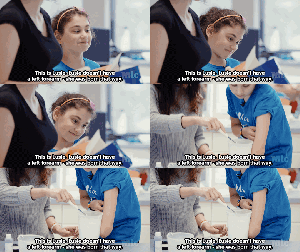
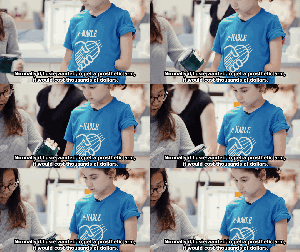
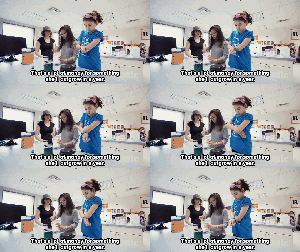
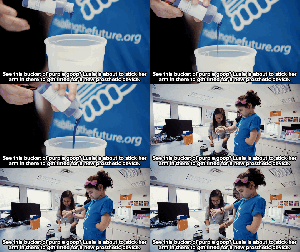
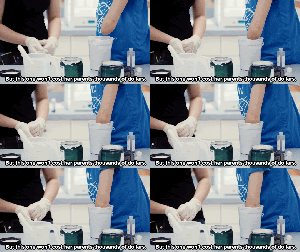
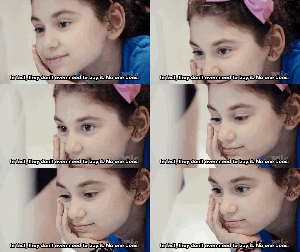
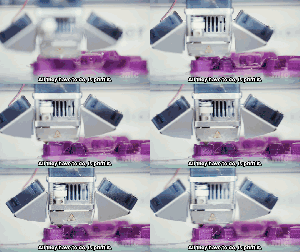
this seven year old girl got half an arm (just like lusie in the gifs) 3d printed and it only cost $50
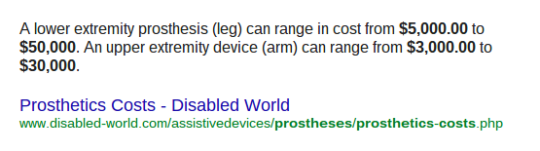
can we just compare that with the average price of buying a prosthetic
3d printing is gonna help so many people holy crap
No no no, guys, this gif set leaves out the literal best stuff from the video.
So a few years back, this guy who accidentally cut off his fingers, teamed up with a special effects artist/puppeteer and created a 3D printable prosthetic hand, that used the movement of the wearer to be able to grab things. The guys who did this said they were just going to post the schematics online, which in turn lead to creating a network of people with 3D printers, who were willing to print prosthetics for people. The network of volunteers, turned into an organization that gives prosthetic arms/hands to kids who need them. They have science types improving the designs and creating new ones, they got a grant from Google, classrooms and scout troops are getting involved and making prosthetic hands for people.
Everything about this is amazing.
It’s stuff like this that makes technology awesome :’)
Add Tactile Picture Books to the list of cool things 3-D printers can do. We’ve all experienced picture books with textured patches for itty bitty kiddie hands to graze over while they glance at the pictures and listen to the story. But not everyone has been able to have the same experiences. Until now, visually impaired children were left out of the picture part of picture books.
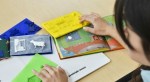
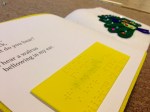
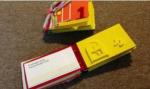
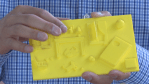
Thanks to the emerging technology of 3-D printing, classic storybooks like Harold and the Purple Crayon, The Very Hungry Caterpillar, and Goodnight Moon have become more accessible. The 2-D pictures in those storybooks have been run through a 3-D printer, resulting in the sculpted scenes pictured above.
Now that the 3-D printed images sit alongside the braille words, visually impaired readers can engage in picture book reading in a whole new way. The future of this technology hopes to put the power in the hands of the parent who would be able to snap a photo of a 2-D page, send it to a printer, and produce their own Tactile Picture Book for their own kids.


 Holding the Bowl