Sometimes the help you need isn’t the help you want. Call 1-800-273-8255 if you’re thinking of suicide.
This comic meant a whole lot to me. It was sincere in its depiction and treated the issue through the eyes of a grounded person. Not some godly hero saying everything is better than it seems, but a person trying his best before bringing her somewhere who can actually help.
If you have the ability to pay for it, are close enough to one, and can get transport there and back a lot of grad schools that have psych programs offer therapy for cheap so that the students can get in the hours they need. University of Louisville for example offers therapy for $15 a session.
Not sure if there is a minimum age to use it or not (couldn’t find anything on the site) but Maven Clinic offers mental health (and other medical) appointments online. It’s not free (appointments range from about $20-$70)), but they do send out freebie codes from time to time. There is also a forum community where you can ask general questions as well.
A Norse mythology based sitcom revolving around the domestic life of Sigyn and Loki as they deal with gods and focusing on raising Loki’s weird kids. The name?
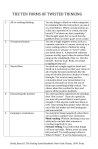
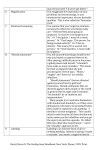
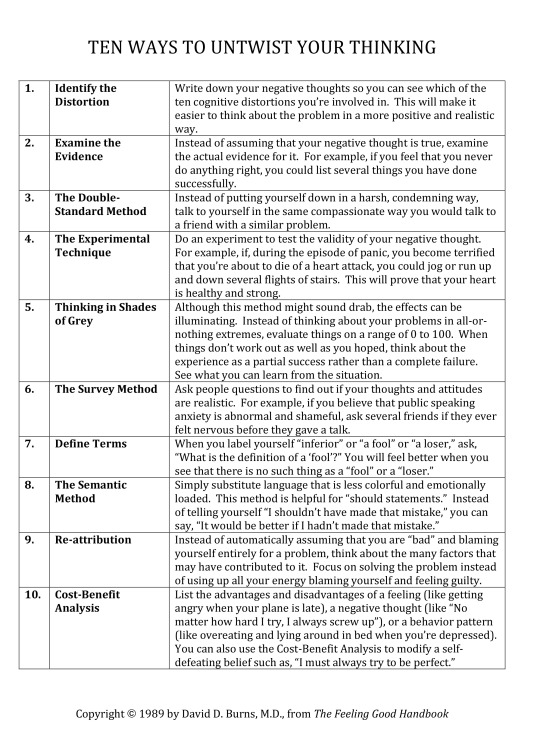
During my first month with my therapist, I was given this worksheet to read and work on. She noticed that while I was talking with her, that my thoughts followed a lot of these. I wasn’t aware that my anxiety had brought me down paths of low self-worth and stinky thinking.
After a couple of weeks of talking with her, she gave me this worksheet to work on.
While, at first, I thought these weren’t going to work out, I was very surprised to see just how easy they were to use . My homework at that time was to identify which sort of thinking I used on the regular and which ones would best challenge them for me.
So, what do you think? Do any of the maladaptive thinking patterns sound like you? which ways would you like to untwist your thinking?
1. Stop calling yourself an Autism Mom and making it all about you. 2. Meltdowns suck, but they’re harder on her than you. Work with her to figure out her triggers and don’t dismiss them. 3. Some types of behavioral therapy which focus on emotional regulation can be beneficial but anything that rigidly demands forced eye contact, forbids stimming, or aims to make her act “less autistic” is abusive. 4. Autism Speaks is garbage. 5. Vaccines don’t cause autism. 6. Focusing on causes and cures is both ableist and pointless. 7. Listen to and respect your kid as a valid human being. 8. Make whatever accommodations she needs to function optimally without making a big deal about it. 9. Be prepared to fight if school is unwilling to make accommodations. 10. Know your kid’s educational rights as a disabled person and make damn sure her school honors them 11. Don’t just rely on teachers and therapists to understand autism. Talk to actually autistic adults to gain a better sense of what to expect for your child’s future. Don’t know any? Follow blogs with the tag #actually autistic. And encourage your kid to do the same, especially as she gets older. 12. Your kid is capable of a lot more than you may think and she’s growing up. Stop infantilizing her and let her make mistakes.
Any and all constructive feedback from the #actuallyautistic community is welcome. I’m trying to continue to grow as a supportive parent.

















 Holding the Bowl