
“I can’t let others continue living under these misconceptions.”
Author: Sephira
Born and raised primarily in Northern Virginia, my family and I moved to North Carolina in 2006. Married for over 20 years, my husband and I have two boys and a gaggle of cats.
For me, writing is a great stress reliever. I can let my mind wander and let my emotions run free in a way that is generally not possible in my normal everyday life. My writings run the gamut in terms of style and genre – for instance my first novel is a historical romance set in the Civil War, but some of the other things I have in the works are fantasy or thrillers, among other things.
It probably goes without saying, but my poetry is somewhat eclectic in nature, and again while some may feel the need to stick with a particular form, I tend to write just whatever comes to mind. Let the winds of inspiration lead me on…
I’m always interested in comments and feedback. So please feel free to share your thoughts with me!
Sometimes a friend with depression will say no to a lot of things and decline all or most of your invitations. This can make you feel like you’re overstepping boundaries and should immediately leave them alone until they reach out to you themselves. Pay attention to this feeling: it’s true that when people keep saying no to things you ask, it’s probably a good idea to stop asking. However, depression can also cause people to say no while wishing they could say yes.
The way to deal with this is not to assume, but to just ask directly: “You’ve said no the past few times I’ve invited you to do something. That’s okay, but I just wanted to check: would you like me to keep inviting you?” I’ve done this before with other people dealing with depression and found that they often respond that they do want me to keep asking, and they hope that one of these days they’ll be able to say yes.
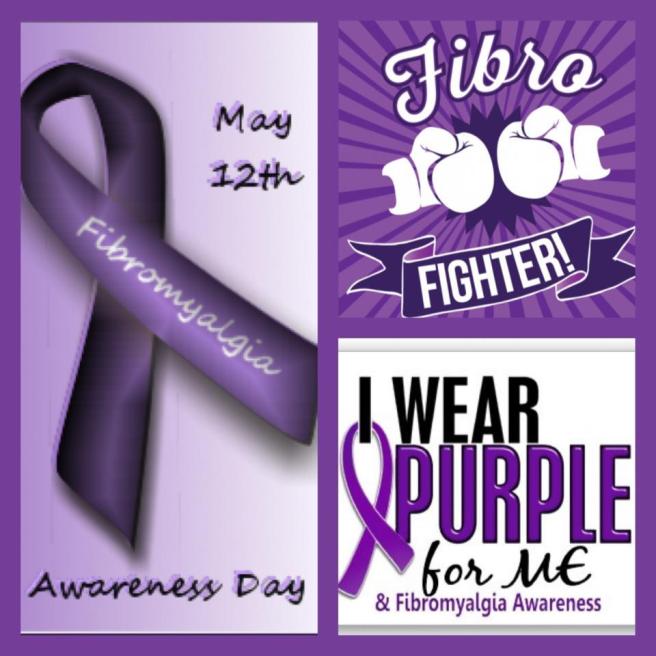
Today is a special day that is near and dear to my heart. I’ve suffered from fibro since 2002. EVERY. SINGLE. DAY is a battle. Every single day I fight.
Please share this and help raise awareness. It’s an invisible illness that is very present in the lives of those who suffer.
I’m a fibro warrior. ❤ ❤
The thing about life is that you must survive. Life is going to be difficult, and dreadful things will happen. What you do is move along, get on with it, and be tough. Not in the sense of being mean to others, but being tough with yourself and making a deadly effort not to be defeated.
Katherine Hepburn (via onlinecounsellingcollege)

are chronic illnesses physical disabilities? if I have chronic fatigue (aka ME, CFIDS, SEID etc), am I physically disabled (and thus can take part in things like cpunk) or no?
I can’t tell you whether you’re physically disabled or if you “qualify” for cripple punk, but lots of people with chronic illnesses consider themselves physically disabled! I’m one of those people, and I’m all about cripple punk.
OK, what was major for ME to realise was that disability isn’t an all-in thing. It’s not “you’re either disabled or you aren’t”. With chronic illnesses like SEID and fibro, your level of ability is going to fluctuate. So some days you can’t reach high to get a thing down from the shelf, you need a cane for stability, you can’t walk 100m, those days you are disabled. Other days you might be a lot more physically able. I realised that the whole “No, you’re disabled or you’re not! You can’t have off days!” refrain my mind kept repeating was an aspect of internalised ableism.
You don’t ever have to feel guilty about removing toxic people from your life. It doesn’t matter whether someone is a relative, romantic interest, employer, childhood friend, or a new acquaintance — you don’t have to make room for people who cause you pain or make you feel small. It’s one thing if a person owns up to their behavior and makes an effort to change. But if a person disregards your feelings, ignores your boundaries, and continues to treat you in a harmful way, they need to go.
Daniell Koepke
(via panatmansam)
 Holding the Bowl