
RxTimerCaps save lives. The clock resets to 00:00 every time the bottle is opened so I’ll know if I’ve missed a dose. I bought these online. by bionicback via reddit
They seem to be 2 for $15, and look really useful!
oh man i need these

Devotional blog dedicated to the Goddess Sigyn offering support to those who are "holding the bowl" within difficult relationships.
RxTimerCaps save lives. The clock resets to 00:00 every time the bottle is opened so I’ll know if I’ve missed a dose. I bought these online. by bionicback via reddit
They seem to be 2 for $15, and look really useful!
oh man i need these

url-inspired graphic for sweetsigyn
i’m no sigyn, she says
even as venom seeps through the cracks in her fingers
and the god of lies laughs brokenly
rusted silver tongue corroding
under poison rain
Nearly everyone with ADHD answers an emphatic yes to the question: “Have you always been more sensitive than others to rejection, teasing, criticism, or your own perception that you have failed or fallen short?” This is the definition of a condition called rejection-sensitive dysphoria. When I ask ADHDers to elaborate on it, they say: “I’m always tense. I can never relax. I can’t just sit there and watch a TV program with the rest of the family. I can’t turn my brain and body off to go to sleep at night. Because I’m sensitive to my perception that other people disapprove of me, I am fearful in personal interactions.” They are describing the inner experience of being hyperactive or hyper-aroused. Remember that most kids after age 14 don’t show much overt hyperactivity, but it’s still present internally, if you ask them about it.
The emotional response to the perception of failure is catastrophic for those with the condition. The term “dysphoria” means “difficult to bear,” and most people with ADHD report that they “can hardly stand it.” They are not wimps; disapproval hurts them much more than it hurts neurotypical people.
If emotional pain is internalized, a person may experience depression and loss of self-esteem in the short term. If emotions are externalized, pain can be expressed as rage at the person or situation that wounded them.
In the long term, there are two personality outcomes. The person with ADHD becomes a people pleaser, always making sure that friends, acquaintances, and family approve of him. After years of constant vigilance, the ADHD person becomes a chameleon who has lost track of what she wants for her own life. Others find that the pain of failure is so bad that they refuse to try anything unless they are assured of a quick, easy, and complete success. Taking a chance is too big an emotional risk. Their lives remain stunted and limited.
For many years, rejection-sensitive dysphoria has been the hallmark of what has been called atypical depression. The reason that it was not called “typical” depression is that it is not depression at all but the ADHD nervous system’s instantaneous response to the trigger of rejection.
– William Dodson, M.D., ADDitude Magazine (via
)
I didn’t know it had a name and this was the last straw for me today and I’m sobbing.
it’s not just me. it has a name.
(via twistedingenue)

A bit of my concept for Sigyn, the Ever Devoted wife to Loki.
“Sigyn was always faithful to her husband, and did not forsake him even after he had definitely been cast out of Asgard and confined in the bowels of the Earth.”
You know how I love a flair for tragedy.
Sometimes, all of a sudden you get a flock of new followers and you have no idea how did that happen and where they come from and you wanna thank them but don’t know what to say. I’m not a good host, but, have some cookies. Enjoy your stay~
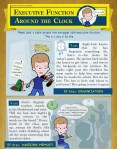
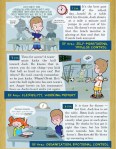
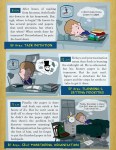
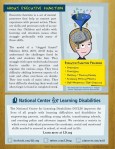
This is for those who don’t understand what executive function is. Even I know what it is after reading this and I can relate to this so much, especially in organization, impulse, and self-monitoring!
It doesn’t mention autism, but I know autistic people tend to be poor at executive functioning.
This is a great illustration of how complex executive functioning really is. “Executive functioning” isn’t just one trait, it’s a whole series of things (some of which aren’t even included here!) Executive functioning is more than just stereotypical “forgot my homework” ADHD cliches; it affects everything from prioritizing the steps involved in running errands to the flow and structure of conversation. And most people have more deficits in some areas than in others, so no two people with EF problems will be exactly alike.
Such a great example of EFD.
It’s April.
That means it’s “Autism Awareness Month,” a month created and sponsored by Autism Speaks.
Please, don’t support this month. Don’t wear a puzzle piece. Don’t “light it up blue.” Autism Speaks is a hate organization. Do not support them in any way.
Perhaps take this as an opportunity to promote Autism Acceptance Month, sponsored by the Autism Self-Advocacy Network. Listen to actual autistic people this month. Spread REAL knowledge about what autism is and how it affects those who have it.
Be a real ally for real people. Because we don’t want blue t shirts. We want acceptance.