You’ve a good heart. Sometimes that’s enough to see you safe wherever you go. But mostly, it’s not.
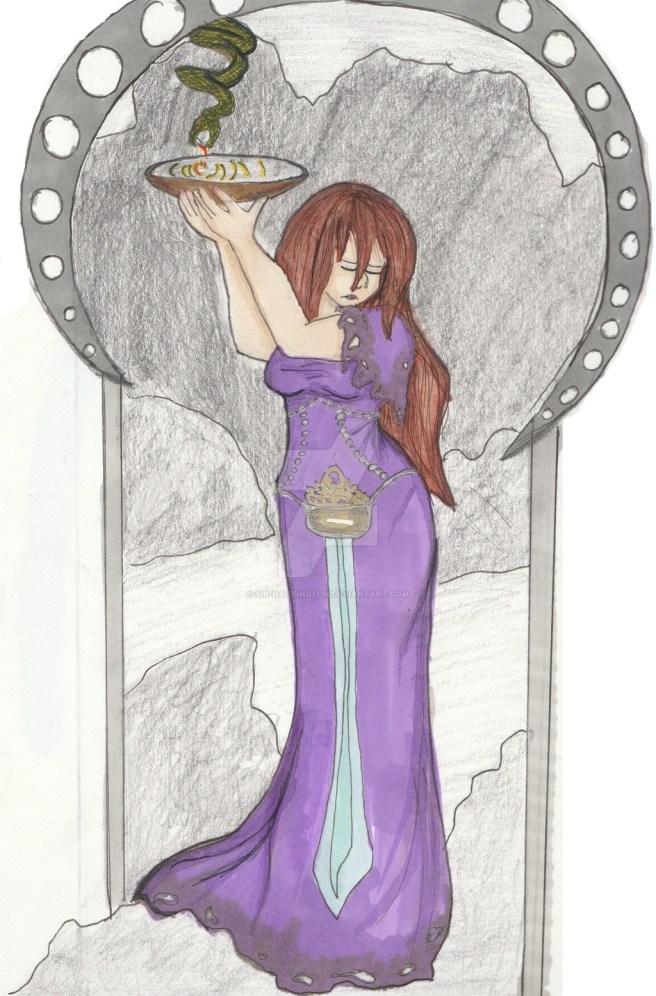
Sigyn, probably. (via incorrectedda)

Devotional blog dedicated to the Goddess Sigyn offering support to those who are "holding the bowl" within difficult relationships.
You’ve a good heart. Sometimes that’s enough to see you safe wherever you go. But mostly, it’s not.

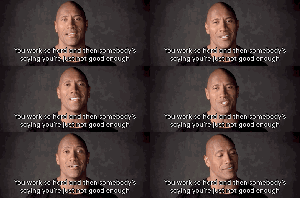


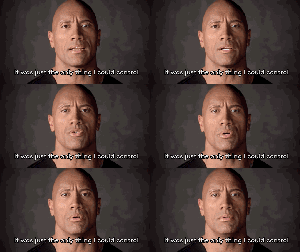
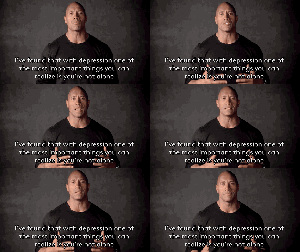
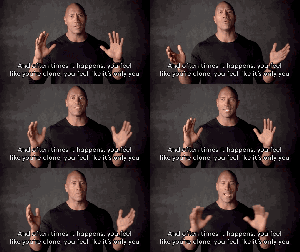

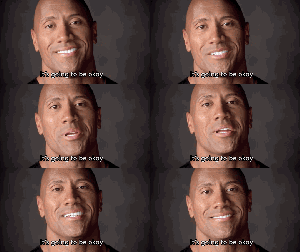
The Rock Has An Inspiring Message For People With Depression
Johnson shares how an episode of depression eventually led him to professional wrestling, and what he learned from the experience.
GIFS VIA.
He’s truly an angel & we are blessed by his existence
you know how when you drive your car into mud, you can rev the engine and switch gears and jam the pedals all you like, but the car won’t go anywhere because there’s no traction? the wheels just go around and around in the mud no matter how hard you push the gas pedal. you have to pile rocks and sticks under the wheels to get the car some traction to get going. if you don’t change the conditions the wheels are turning in, you’ll just be sitting in your car all damn day, wasting your gas.
in this case executive dysfunction is having mud under your wheels and the rocks are medication or therapy. you don’t need to ‘try harder’ or spin the wheels faster, you need actual legit help to fix the road conditions.
for people with a chronic condition, life is one long washed-out mud lane to drive across. so being told ‘just go faster!’ or ‘switch gears!’ by people driving paved streets is not helpful. executive dysfunction isn’t the laziness of not wanting to put in the effort, it’s having no traction for that effort to get you anywhere.
You will want to run away from it. Don’t. Running away will only make it worse when you’ll eventually have to face it. (And you can’t keep running forever).
You will be in a constant search to try to find ways to temporarily fix it. Alcohol, drugs, self-harm. They won’t work. They will make you feel worse; but you will want to keep using them anyway.
After a while, you might make friends with it. Get accustomed to it. (But it will still hurt).
Loneliness will come along with it. Not because you’re necessarily alone, but because you’re engulfed in something that other people cannot understand.
Some days will be better than others.
And on these days, you wonder who you really are, and what you are without it.
You will also be scared. Scared of the moment it will come back again.
You will want to disappear.
And you can, if you want to. But you will be losing all of your possibilities. There are many possibilities. The biggest of all, is that you get another better day, followed by another and another. Don’t lose that possibility. (I almost lost my possibility, but I didn’t, and it came true).
I appreciated this point about prioritizing the social model of disability, over the medical model, which Laura Bates explains in Everyday Sexism:
Medical Model of Disability: “…a person is disabled by their impairment (i.e. mental-health issue prevents them from getting a job, or a physical impairment restricts their ability to access certain venues)…”
Social Model of Disability: “…it is not the impairment in itself but the lack of accessibility created by our [ableist] society that makes a person disabled (i.e. our stigma around mental health issues prevents that person from getting a job, or a lack of adequate measures to make a venue fully accessible prevents certain people being able to enter).”
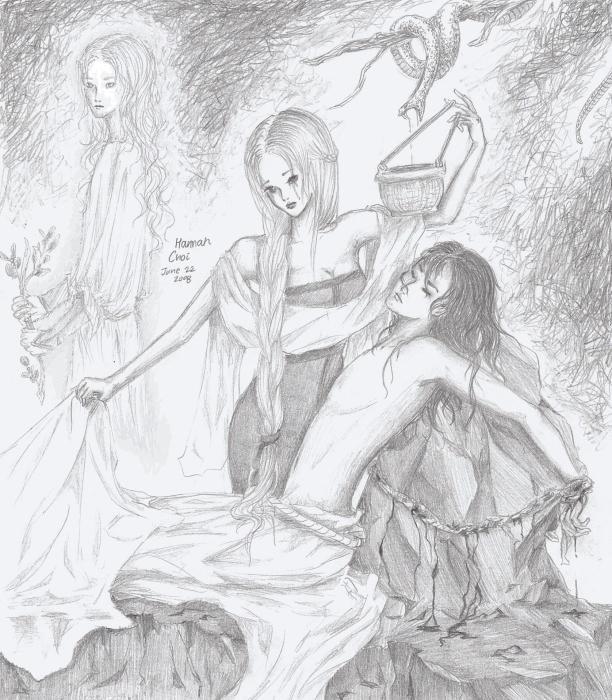

 Holding the Bowl