norse mythology meme: Sigyn, wife of Loki, is the goddess of fidelity. Her name means ‘victorious’, she is often depicted holding a bowl over Loki to catch the venom of a serpent. Sigyn stayed with Loki even during his final punishment.
Surgeons first rewired nerve endings in the patient’s stump to place them close to the skin surface. Six sensors were fitted to the base of the foot, to measure the pressure of heel, toe and foot movement.
These signals were relayed to a micro-controller which relayed them to stimulators inside the shaft where it touched the base of the stump. These vibrated, stimulating the nerve endings under the skin, which relayed the signals to the brain.
Prof Egger said: “The sensors tell the brain there is a foot and the wearer has the impression that it rolls off the ground when he walks.”
Wolfgang Ranger, a former teacher, who lost his leg after a blood clot caused by a stroke, has been testing the device for six months, both in the lab and at home.
He said: “I no longer slip on ice and I can tell whether I walk on gravel, concrete, grass or sand. I can even feel small stones.”
The 54-year-old also runs, cycles and goes climbing.
Another major benefit was a reduction in excruciating “phantom limb” pain felt by Mr Rangger for years following the amputation.
I shared an article from I Fucking Love Science on this a few days ago, but, it’s worth sharing again, because this is a HUGE deal. Anything that can really reduce phantom limb pain for amputees is absolutely welcome.
1. Bosom Buddies: This is where the mother wants to be her daughter’s best friend. The relationship is usually warm and close, and the mother prides herself on always being there to emotionally support and advise her daughter. Communication is open, honest and real – which can start to feel threatening as the daughter gets older and wants to erect appropriate boundaries. In this type of mother-daughter bond, the mothers lives vicariously through her daughter and find it hard to discipline appropriately (as she’s too enmeshed with her daughter’s life).
2. Boss and Subordinate: This is where the mother wants to dominate and control every aspect of her daughter’s life. She’s always giving her opinion, making demands, and requiring her daughter to follow her rules, or live up to the expectations she has set. She’s also rigid, harsh and may lack empathy. Although the daughter may comply in her younger years, she is quietly resentful and will likely rebel – either strongly and loudly, or in a more passive way. She may feel she must be “perfect”, have low self-esteem and fear rejection and judgement by others.
3. Rivals: This is where the mother sees her daughter as a rival or threat so she’s always in competition with her. Thus, instead of seeing each other as completely separate people, and allowing each other to simply be themselves, the mother and daughter are constantly comparing themselves to see which one is thinner, smarter, prettier or more successful in life. This is usually done in a fun-loving way, and the bond they share is understanding and strong. However, it can lead to a feeling of not being seen, valued and accepted as they are – and unconditionally.
4. The Role-Reversal Relationship: This is where the mother expects her daughter to be there to support and bolster her. She has no concern for her daughter’s needs as her focus is ensuring her daughter nurtures her. This is clearly unhealthy as the daughter feels abandoned, and grows up feeling neglected and used. As a child, the daughter’s learned she must sacrifice herself and only think others, and their needs and preferences. This can lead to being a doormat, and to low self-esteem.
if your mental illness(es) stop you from being able to do certain things or make it hard for you to do things then i want you to know that that’s okay and not your fault. you’re not alone in that and i love you

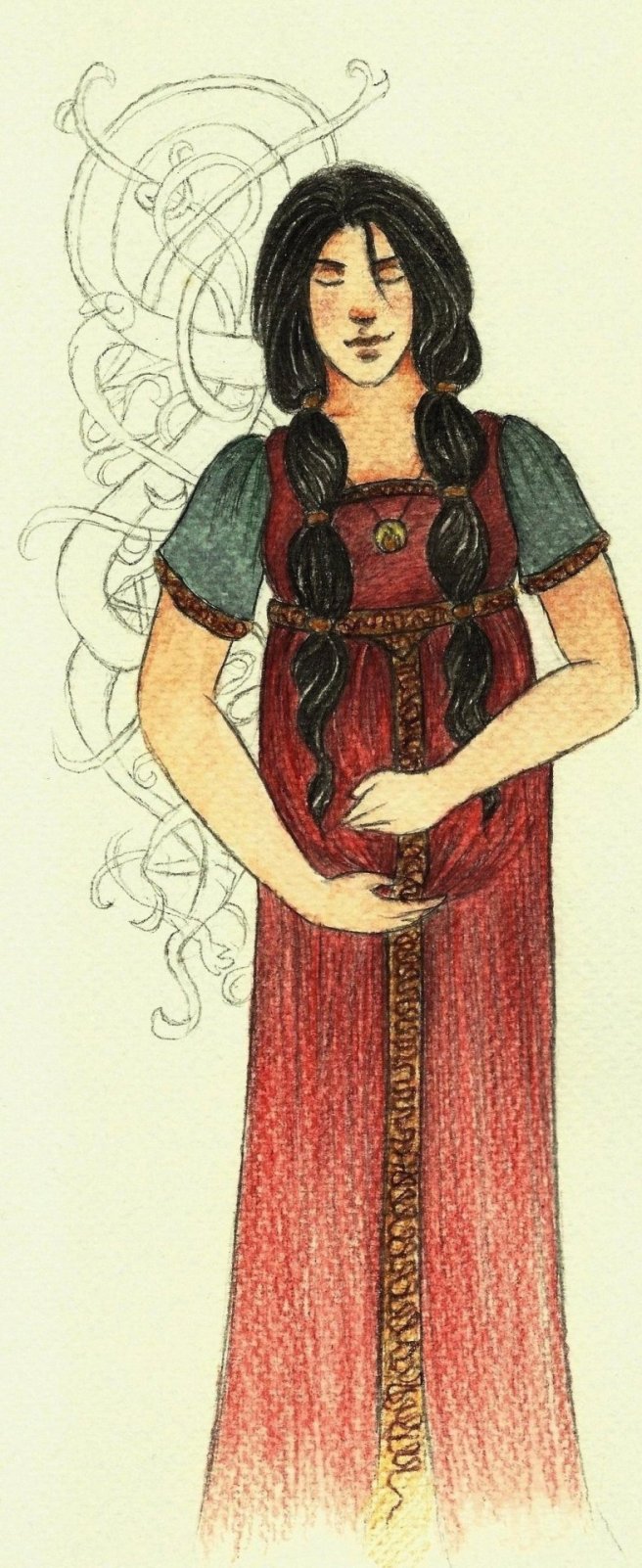










 Holding the Bowl